The Silent Observer: The Intimate Portraits of Yousuf Karsh
The Architect of Iconic Presence
To look at a portrait by Yousuf Karsh is to confront the history of the 20th century in its most unguarded moments. Karsh did not merely photograph his subjects; he excavated them. Born in Mardin, Armenia, under the shadow of the Armenian Genocide, Karsh emigrated to Canada as a refugee. It was this early brush with trauma and survival that arguably instilled in him a profound empathy for the human condition—an empathy that would define his life’s work as the premier portraitist of his age.
The Mastery of Light and Shadow
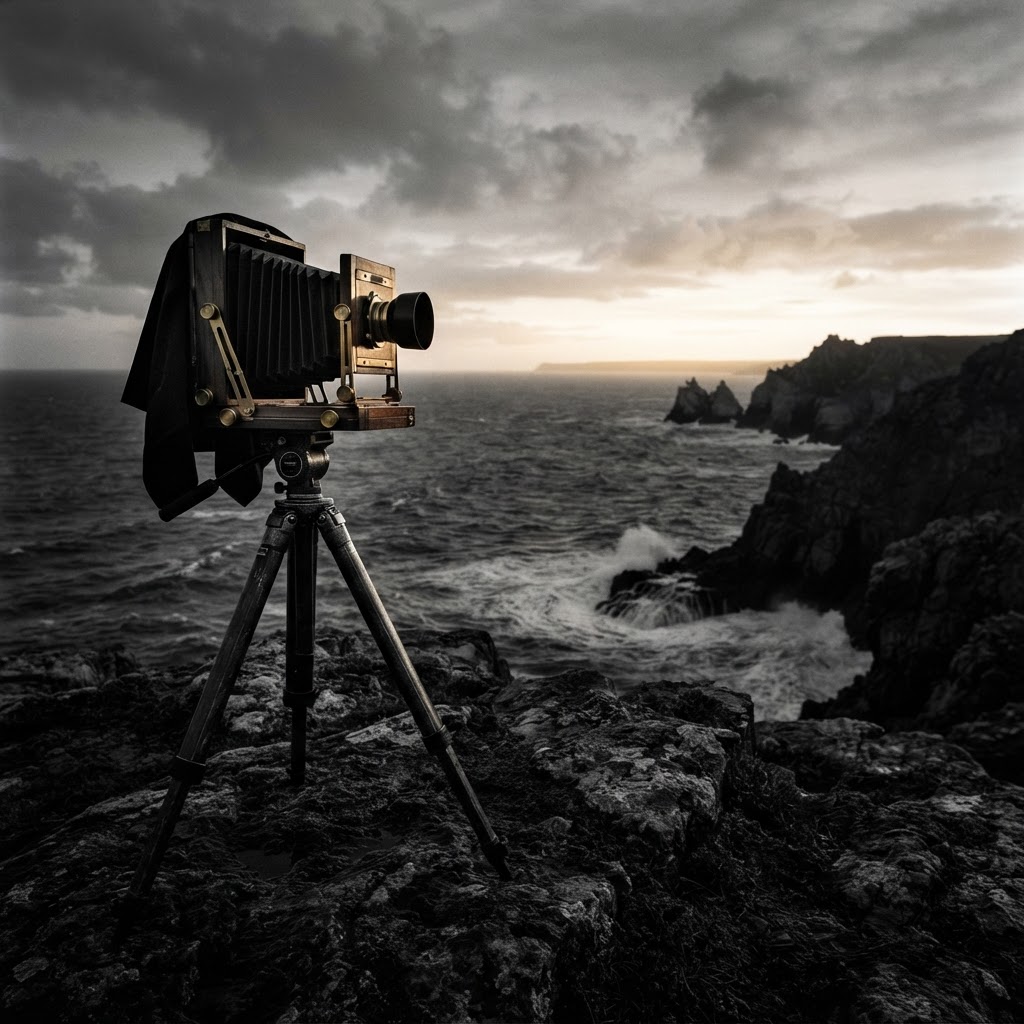
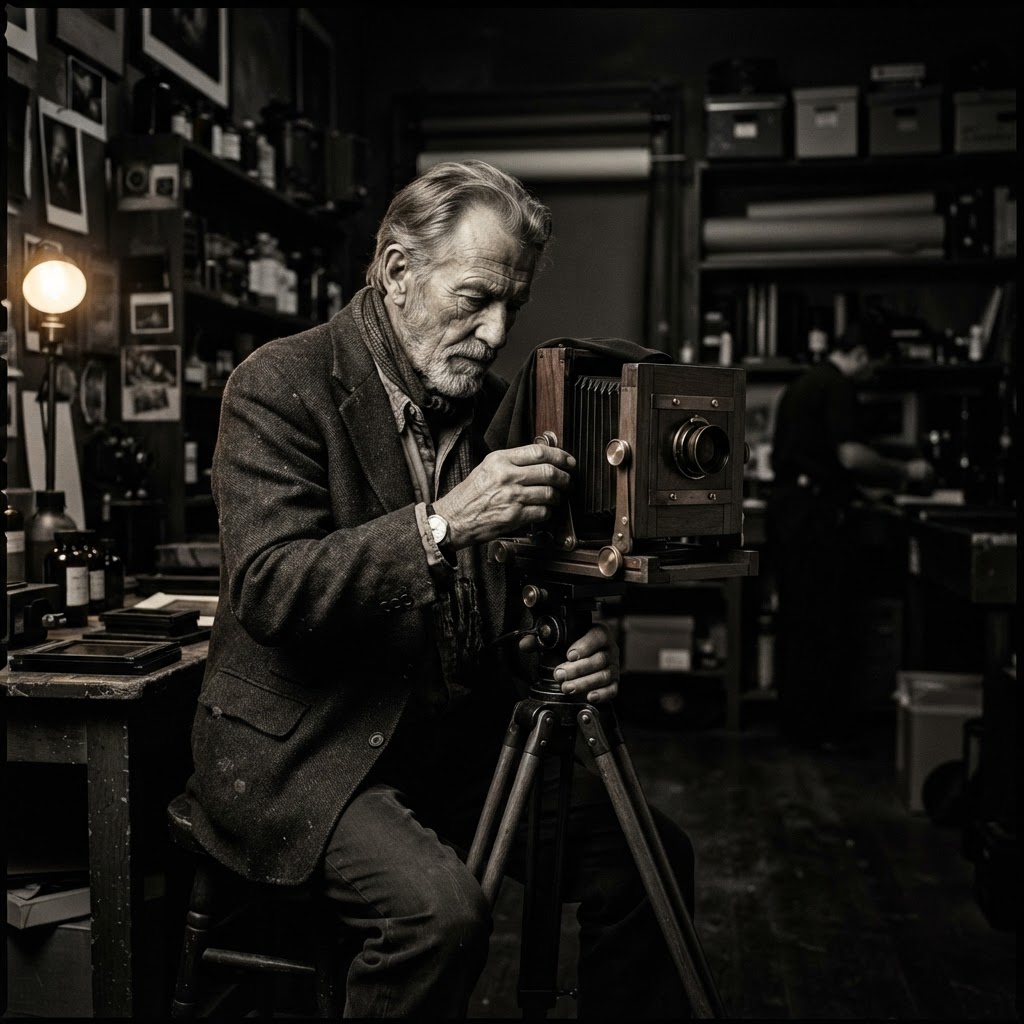
Karsh’s signature technique relied on a rigorous, almost sculptural manipulation of light. Using large-format view cameras and complex tungsten lighting setups, he built his images with the precision of an architect. He often utilized what he called the 'theatrical' approach, waiting for that fleeting moment when the subject’s facade dropped, revealing the person beneath the persona.
I work with light as if it were a physical substance, a tool that reveals the hidden landscape of the human face.This approach required immense patience, a quality that set him apart in an era that was beginning to favor the frantic speed of the photo-essay.
Iconic Encounters: Churchill and Beyond
The defining moment of Karsh’s career occurred in 1941 when he photographed Winston Churchill. Irritated by the interruption of his busy schedule, Churchill stood before the lens with a defiant scowl. In a stroke of brilliant spontaneity, Karsh stepped forward, plucked the cigar from the Prime Minister’s lips, and returned to his camera just as Churchill glared with a look of pure, unadulterated resolve. The resulting image, The Roaring Lion, is perhaps the most famous portrait in the history of the medium, a testament to the power of a single gaze to embody a nation at war.
His portfolio reads like a roll call of greatness:
- Albert Einstein: Captured in a moment of quiet, heavy reflection.
- Ernest Hemingway: Stripped of his tough-guy veneer, revealing a soft, vulnerable depth.
- Audrey Hepburn: Defined by a radiant, fragile elegance.
- Georgia O'Keeffe: Framed against the stark landscape of her own creative intensity.
The Burden and the Gift of Insight
Karsh was not merely a technician; he was a psychologist. He understood that photography was a collaborative act of vulnerability. Despite his massive success, he remained a man of quiet, meticulous habits. He believed that the 'extraordinary' was found in the 'ordinary'—provided the photographer possessed the patience to wait for it. He navigated the halls of power and the studios of artists with the same humble, searching eye, never letting the grandeur of his subjects distract him from the architecture of their humanity.
Why Karsh Still Matters
In our current digital age, where the 'selfie' has turned portraiture into a commodity of rapid-fire vanity, Karsh’s work stands as a firm counterpoint. He teaches us that the power of a portrait lies not in the perfection of the skin or the sophistication of the pose, but in the engagement between two people. His images continue to resonate because they are honest; they remind us that behind every face, no matter how famous, lies a story of ambition, struggle, and fleeting light.
As we continue to navigate the evolution of the photographic arts, the legacy of Yousuf Karsh serves as a beacon. He reminds us that the camera is not just a device for recording, but a tool for revealing. To carry a camera is to carry a responsibility: to see the truth, to honor the subject, and to capture a moment that, however brief, reflects the enduring complexity of the human spirit.