The Ghostly Precision: William Henry Fox Talbot and the Calotype Legacy
The Architect of the Negative
In the quiet halls of photographic history, few figures loom as large or as misunderstood as William Henry Fox Talbot. While the world was captivated by the sharp, singular beauty of the Daguerreotype, Talbot was working in his estate in Lacock Abbey, searching for something far more transformative: a method of infinite reproduction. His invention, the Calotype—or Talbotype—was not merely a chemical process; it was the birth of the negative-positive workflow that would define the next century and a half of the medium.
Unlike the metal plates of his contemporaries, which left the photographer with a single, uncopyable object, Talbot utilized paper impregnated with silver chloride. By applying gallo-nitrate of silver to the paper, he created a translucent negative. This was a radical shift in philosophy. Photography moved from being a unique artifact to being a source of multiplication.
The Chemistry of Shadows
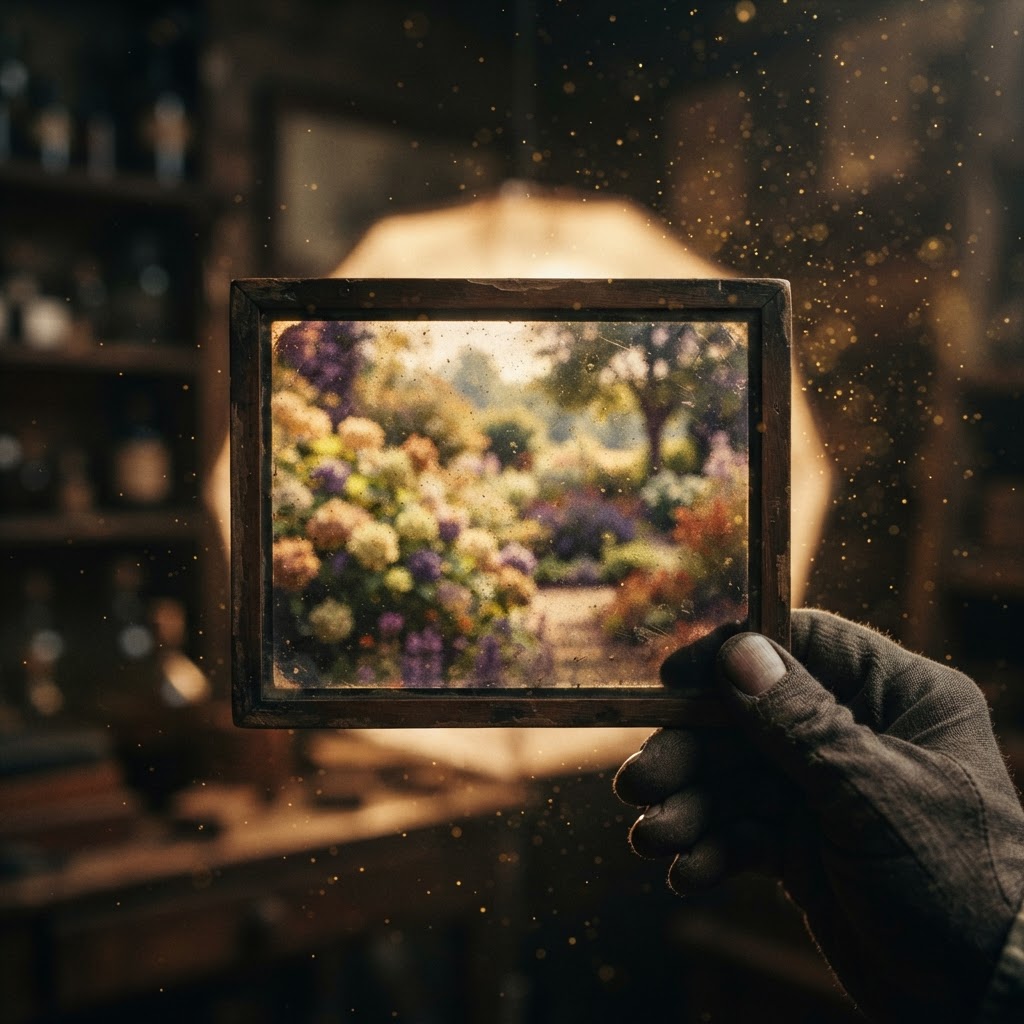
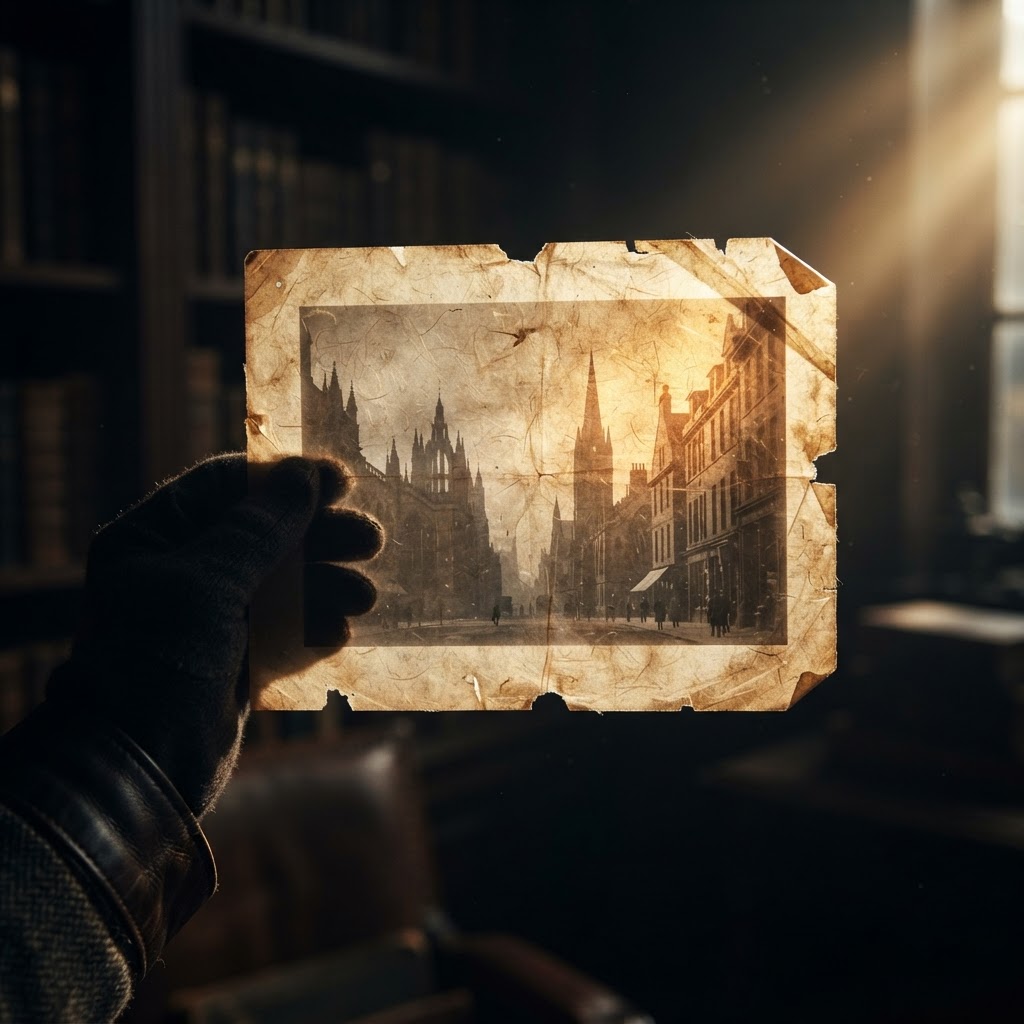
The beauty of the Calotype lies in its tactile, painterly quality. While the Daguerreotype offered clinical, diamond-sharp detail, the Calotype felt like a memory pressed into fiber. The paper's texture softened the harsh reality of light, lending the images an ethereal, almost dreamlike quality that resonated with the burgeoning Romantic movement of the mid-19th century.
The invention of the negative was, in essence, the invention of the ability to dream. By separating the capture from the final print, Talbot allowed the artist to manipulate the light and shadow long after the shutter had closed.
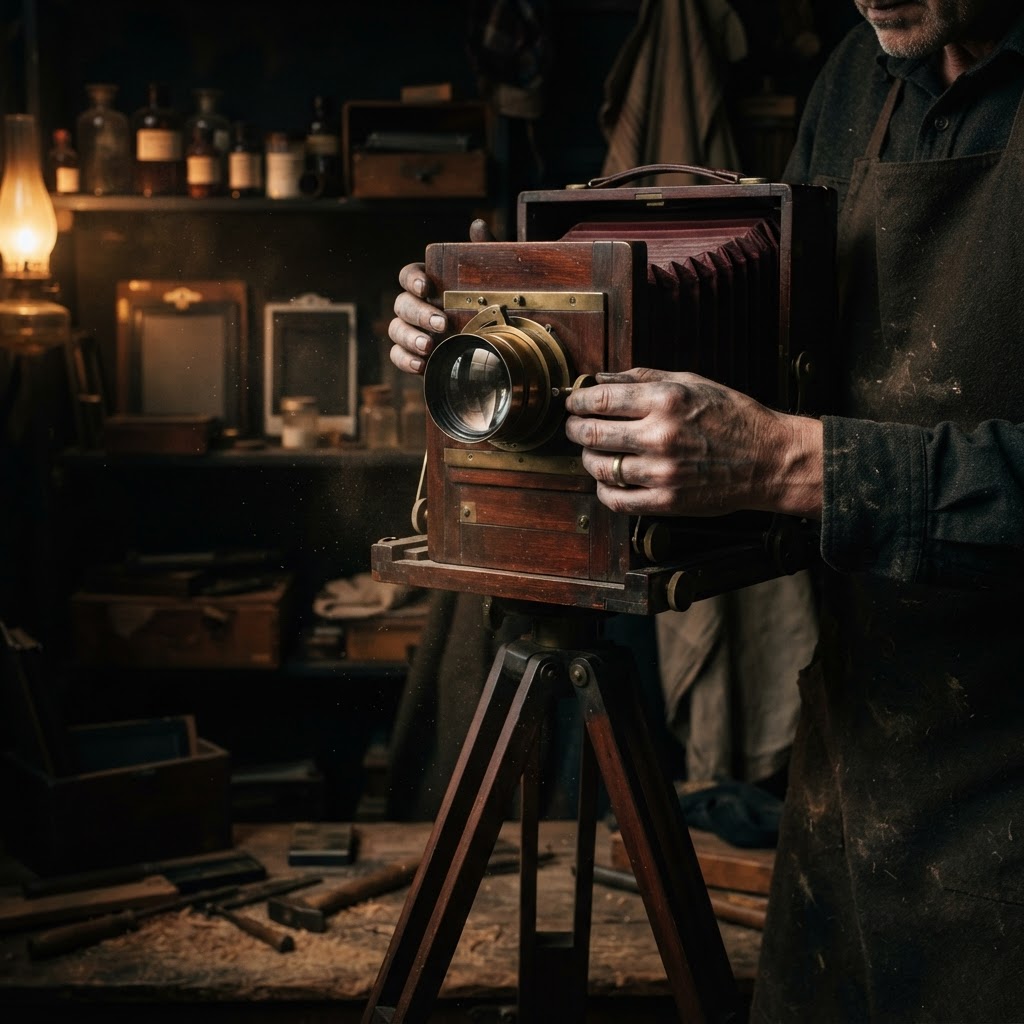
To master the Calotype was to be a chemist and an alchemist simultaneously. The process involved:
- Sensitization: Brushing the paper with silver iodide in a darkroom environment.
- Exposure: Placing the sensitive paper in a camera obscura for an extended duration.
- Development: Using a gallo-nitrate solution to bring the latent image forth—a process Talbot revolutionized to significantly reduce exposure times.
- Fixing: Stabilizing the image to ensure it could withstand the light, preventing the entire sheet from turning into a blackened void.
The Legacy of Reproducibility
Talbot’s contribution was a seismic shift in how we perceive the image. He understood that the power of photography lay not in the single moment, but in the dissemination of information and art. By mastering the paper negative, he laid the architectural foundation for the entire industry of printing, film, and ultimately, our modern digital workflow. Every time we adjust exposure or manipulate contrast in post-production, we are tracing the lineage back to those damp, silver-laden sheets of paper in a Victorian library.
The Calotype was short-lived as a commercial powerhouse—eventually eclipsed by the glass-plate wet collodion process—but its intellectual shadow remains the longest in our history. It challenged the definition of the 'original.' Is the original the negative, or the resulting print? Talbot proved that the 'soul' of the image exists in the light captured, not the material substrate.
Reflections for the Modern Photographer
As we navigate the hyper-speed of digital sensors and instantaneous uploads, it is worth remembering the patience required by the early practitioners of the Calotype. They waited minutes for the light to bite into the paper. They bathed their prints in chemical solutions, hoping for the miracle of a hidden image to appear. This is the 'raw' in Photography in the Raw; it is the fundamental human impulse to hold onto time.
Today, as we seek to find meaning in our compositions, we should look back to Talbot’s vision. He was not just capturing a scene; he was crafting a methodology for the future. He taught us that photography is a dialogue between the light and the surface, and that the beauty of an image is defined by how we choose to reveal its secrets to the world.