The Kodachrome Era: When Color Became Poetry
The Kodachrome Era: When Color Became Poetry
In the grand tapestry of photographic history, certain threads shimmer with a unique brilliance, defining eras and influencing how we perceive reality. Among these, the advent and reign of Kodachrome stand out not merely as a technological leap, but as an artistic revolution. For decades, this remarkable film wasn't just a medium; it was a promise – the promise of capturing the world not just as light and shadow, but as vibrant, enduring color. Here at Photography in the Raw, we often speak of mastering light and form, but the story of Kodachrome is about mastering the spectrum itself, transforming the fleeting moment into a timeless, poetic testament.
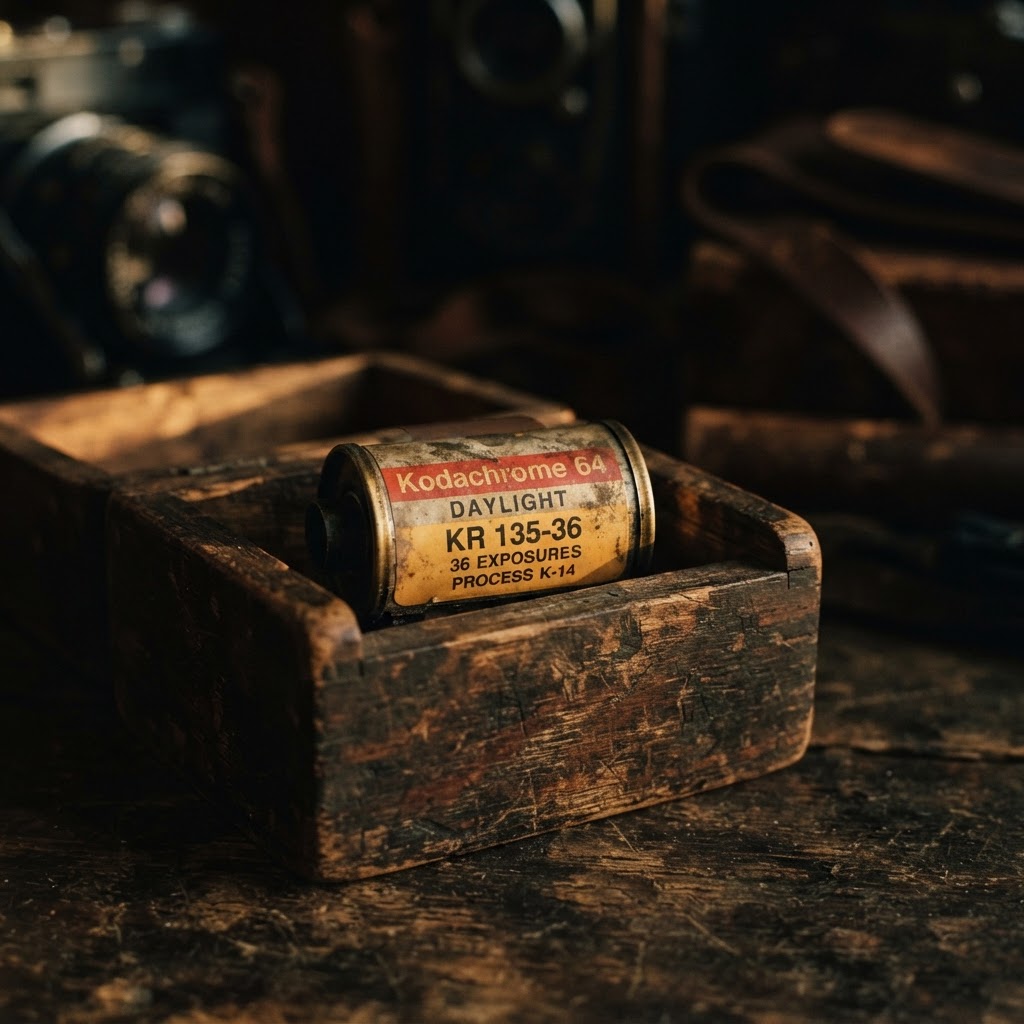
Invented by Leopold Mannes and Leopold Godowsky Jr., and perfected by Eastman Kodak in 1935, Kodachrome was a marvel of its time. It was the first commercially successful multi-layer color reversal film, meaning it produced positive transparencies (slides) directly, rather than negatives that needed to be printed. This was a critical distinction. Slides offered a luminous, jewel-like quality, meant to be projected onto a screen, sharing a collective vision of captured moments. It was an experience that demanded engagement, a communal viewing that elevated photography from a personal record to a shared narrative.
Kodachrome wasn't just a film; it was a destination for color. It made the world look *better* than real life, in a way that felt utterly believable.
The technical genius behind Kodachrome was its intricate layered structure. Each layer was sensitive to a different primary color (blue, green, and red), and through a complex, multi-stage development process known as the 'subtractive' method, dyes were introduced to create the final image. This process, while cumbersome and requiring specialized labs, was the secret to Kodachrome's unparalleled color rendition. Unlike its successors, Kodachrome's dyes were not incorporated during the initial film coating but were added sequentially during development. This allowed for incredibly stable and vibrant colors that resisted fading, contributing to its legendary archival qualities.
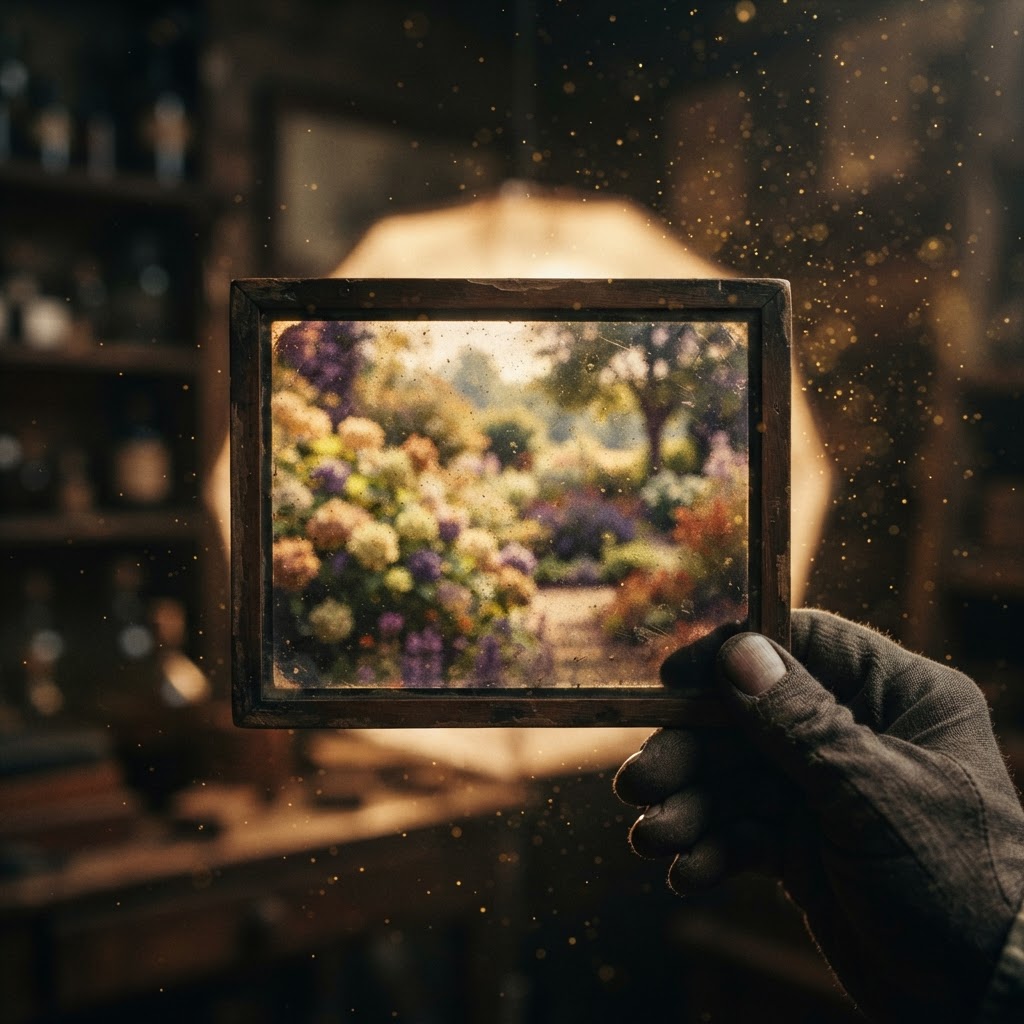
What set Kodachrome apart was its unique color palette. While other color films of the era often produced colors that felt somewhat artificial or overly saturated, Kodachrome possessed a distinctive, almost painterly quality. Its rendition of blues and reds was legendary, often described as rich, deep, and luminous. Greens were lush and earthy, while yellows and oranges radiated warmth. This distinctive aesthetic made Kodachrome the film of choice for generations of photographers, from National Geographic explorers to everyday families documenting life's milestones. It imbued ordinary scenes with an extraordinary beauty, turning mundane realities into something akin to art.
The impact of Kodachrome on photojournalism and documentary photography cannot be overstated. Suddenly, the raw power of black and white could be augmented, or even rivaled, by the emotional resonance of color. Photographers could now convey the specific hue of a sunset, the subtle tones of a subject's skin, or the vibrant chaos of a bustling market with an unprecedented fidelity. Images that once relied solely on composition and contrast to evoke feeling could now harness the additional dimension of color to deepen their narrative impact.
Consider the iconic images that emerged from the Kodachrome era. They often possess a timeless quality, a sense of permanence that belies the transient nature of the moments they captured. The film’s inherent archival stability meant that these visual memories could be passed down through generations, their colors still vibrant, their stories still potent. This was a far cry from the often fugitive colors of earlier color processes. Kodachrome offered a tangible legacy, a way to freeze time not just in form, but in the very essence of its color.
The development process itself was a formidable undertaking. Kodachrome processing required a multi-step, dye-coupling procedure that was far too complex for amateur darkrooms. Photographers would send their exposed rolls to dedicated Kodachrome processing labs, where skilled technicians would meticulously develop the film. This system, while ensuring unparalleled quality, also meant that photographers had to wait to see their results, adding an element of anticipation and delayed gratification to the photographic process. It was a ritual, a testament to the value placed on each frame.
However, every era has its zenith and eventual decline. The rise of more accessible and easier-to-process color films, particularly those with faster speeds and more forgiving handling, gradually began to chip away at Kodachrome's dominance. Then came the digital revolution, which offered instant previews, endless manipulation, and the elimination of film altogether. In 2009, after 74 years of production, Eastman Kodak announced the discontinuation of Kodachrome. The last roll was processed in September 2010 by Dwayne's Photo, a small lab in Kansas that had been entrusted with the film's unique processing needs.
The end of Kodachrome marked the end of an era, a poignant farewell to a film that had painted the world for so many. Yet, its legacy endures. Photographers still seek out vintage Kodachrome slides, marveling at their unique colors and enduring beauty. Digital tools now attempt to emulate its distinctive look, a testament to the enduring appeal of its aesthetic. At Photography in the Raw, we encourage our students to understand the history and the 'why' behind photographic techniques. Kodachrome is a prime example of how a material can shape artistic vision, how a specific color science can become synonymous with an era, and how, through careful craft, the simple act of capturing light could become an act of poetry.
The story of Kodachrome is a reminder that photography is more than just technology; it is about the human desire to preserve, to share, and to imbue our visual records with the richness and beauty of the world as we experience it. It is a story of color, light, and the enduring magic of a perfectly rendered frame.