The Glass Paradox: The Short and Brilliant Life of the Petzval Lens
The Convergence of Mathematics and Art
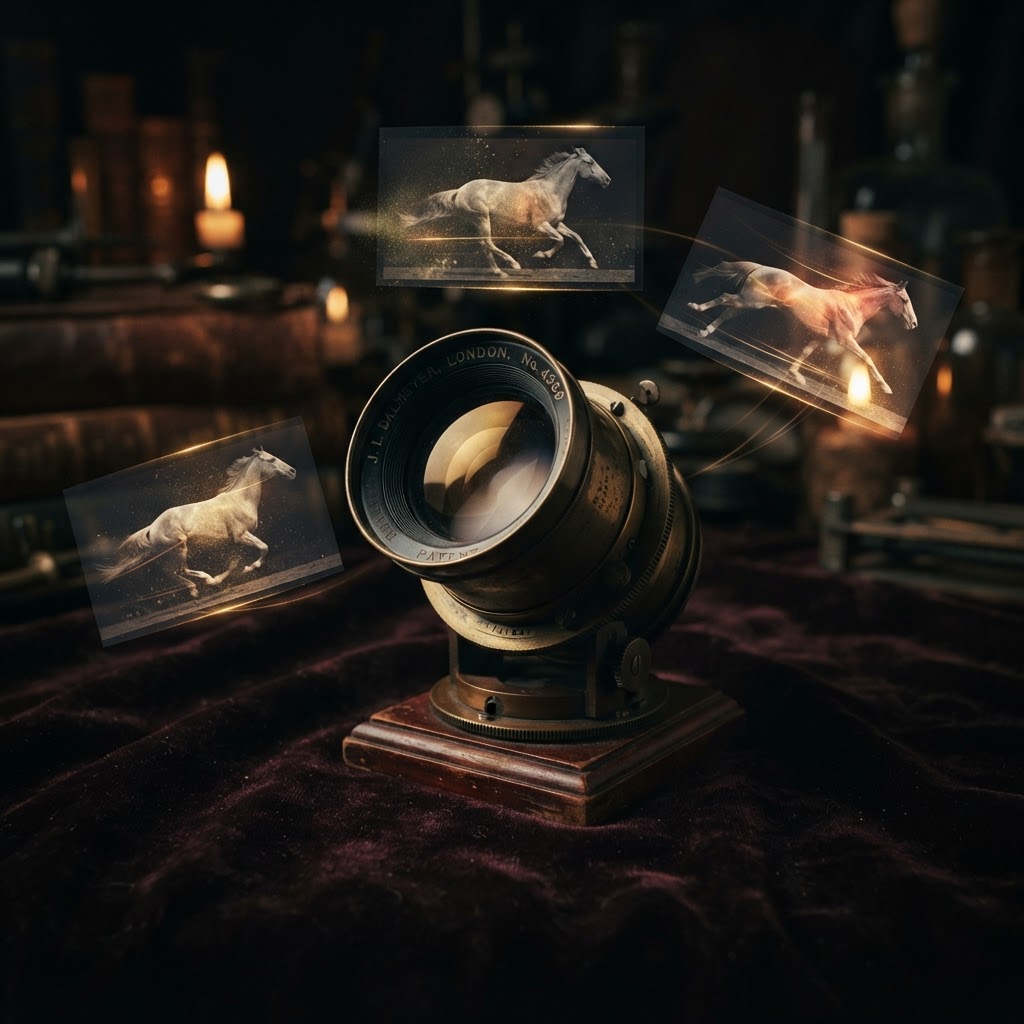
In the nascent years of photography, the act of taking a portrait was a test of endurance. Early lenses, based on the slow optics of the era, required subjects to sit motionless for minutes under the scorching glare of the sun. It was Joseph Petzval, a mathematician from Vienna, who dared to disrupt this stasis. In 1840, he calculated a lens design that would forever alter the trajectory of optical history.
The Anatomy of a Breakthrough
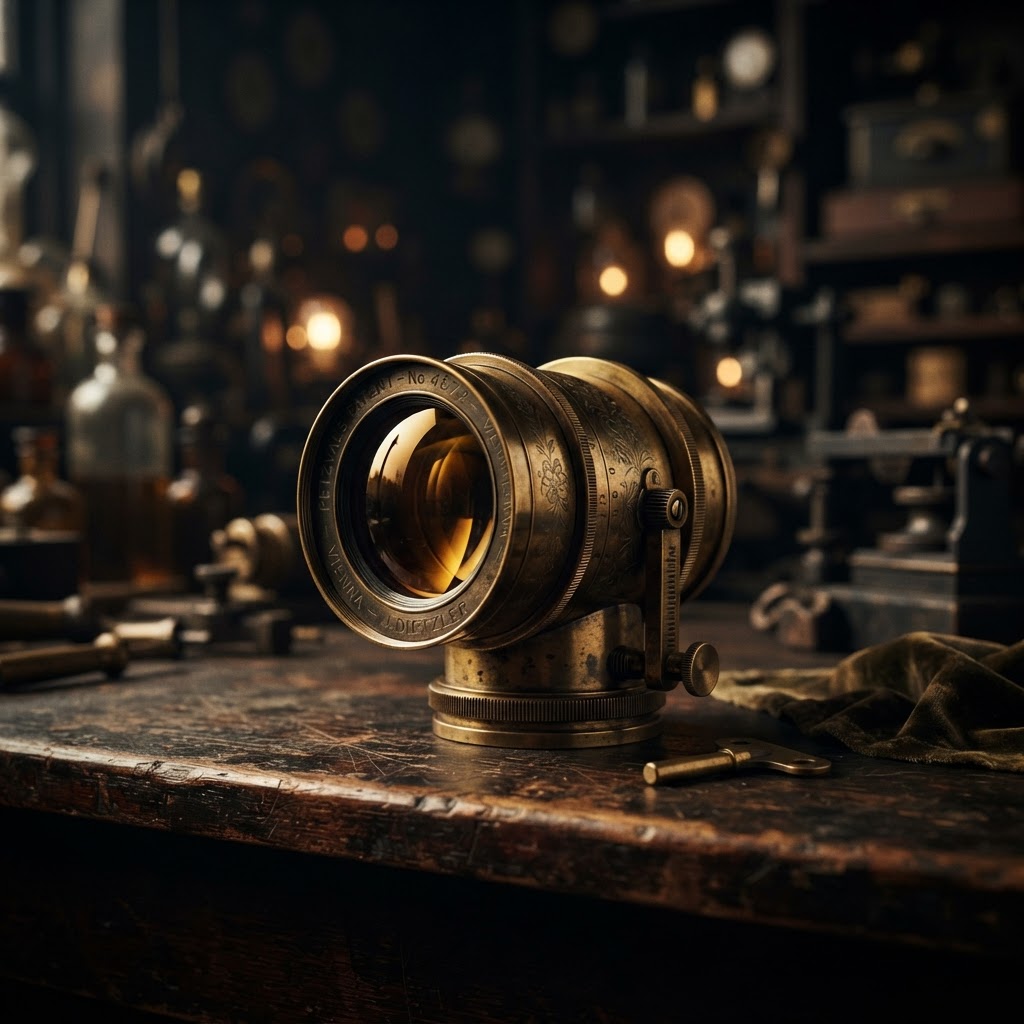
The Petzval lens was a marvel of the industrial age. By utilizing a four-element double-achromatic design, Petzval managed to achieve an aperture of f/3.6—a staggering feat when compared to the f/15 or f/20 systems standard at the time. This massive leap in light-gathering capability meant that exposure times were cut from minutes to mere seconds. Suddenly, the sitter could breathe, the eyes could sparkle, and the photographer could capture a fleeting expression rather than a rigid, masked grimace.
The Signature Swirl
Beyond its speed, the Petzval lens is celebrated today for its unique optical signature. Due to field curvature and peripheral aberrations, the lens produces a characteristic 'swirl' of background blur—an aesthetic phenomenon that contemporary photographers still strive to replicate. This bokeh is not merely an optical flaw; it is a painterly distortion that isolates the subject, pulling the viewer’s eye toward the center of the frame with an almost hypnotic intensity.
The Petzval lens taught us that in photography, the 'perfect' image is often found in the deliberate embrace of optical character.
A Legacy in Modern Optics
While the Petzval design eventually gave way to the flatter, more clinical corrections of the late 19th century, its influence remains immortal. It represents the first instance where a mathematician took the reins of artistic production, proving that calculation and creativity are two sides of the same coin. Whether you are shooting on a modern mirrorless system or hunting for an original brass-barreled relic at an estate sale, using a Petzval-style lens is an invitation to see the world through a lens of history.
- Speed: Dramatically reduced exposure times for the 19th-century portraitist.
- Character: Introduced the iconic swirly bokeh that defines vintage portraiture.
- Mathematics: The first lens designed through rigorous scientific calculation rather than trial and error.
As we navigate the hyper-sharp, digitally perfected reality of the modern era, the Petzval lens reminds us that beauty often resides in the edges, the softness, and the deliberate aberrations of light.