The Glass Specter: Unveiling the Enigmatic Tintype
The Iron Heart of History
In the grand tapestry of photographic evolution, few processes possess the rugged, undeniable charisma of the tintype. Born in the mid-1850s, this process—technically known as the ferrotype—represented a seismic shift away from the fragile glass plates that preceded it. While the daguerreotype was a luxury item for the elite and the calotype a delicate endeavor of paper and patience, the tintype was the people’s medium. It was fast, it was durable, and it was undeniably democratic.
The Alchemical Process
At the heart of the tintype lies a thin sheet of iron, coated with a black or dark brown lacquer. The photographer would apply a layer of collodion, sensitize it in a silver nitrate bath, and expose the plate while still wet. This inherent requirement—the 'wet plate' necessity—meant that the photographer had to be a master of field chemistry as much as an artist of light. Once exposed and developed, the resulting image was a direct positive, appearing against the dark lacquer background.
The tintype was never meant to be precious. It was meant to be carried, traded, and remembered. It was the original portable memory.
Democratizing the Image
Before the tintype, having one's likeness captured was a formal, often intimidating affair. The tintype changed this dynamic entirely. Because the process was relatively inexpensive and did not require a glass negative, photographers could set up shop at traveling carnivals, street corners, and military camps. For the first time, the common laborer, the weary soldier, and the frontier family could afford to leave behind a visual legacy.
The Aesthetic of Imperfection
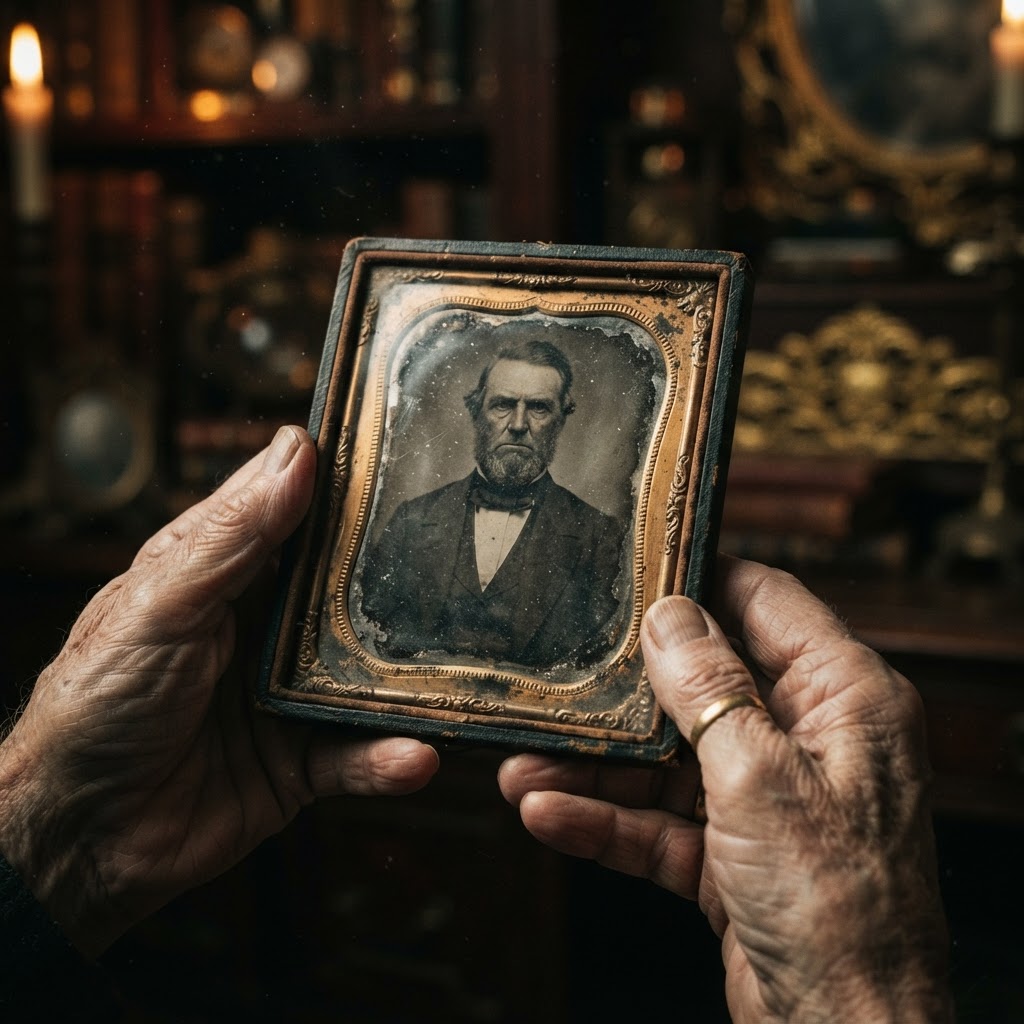
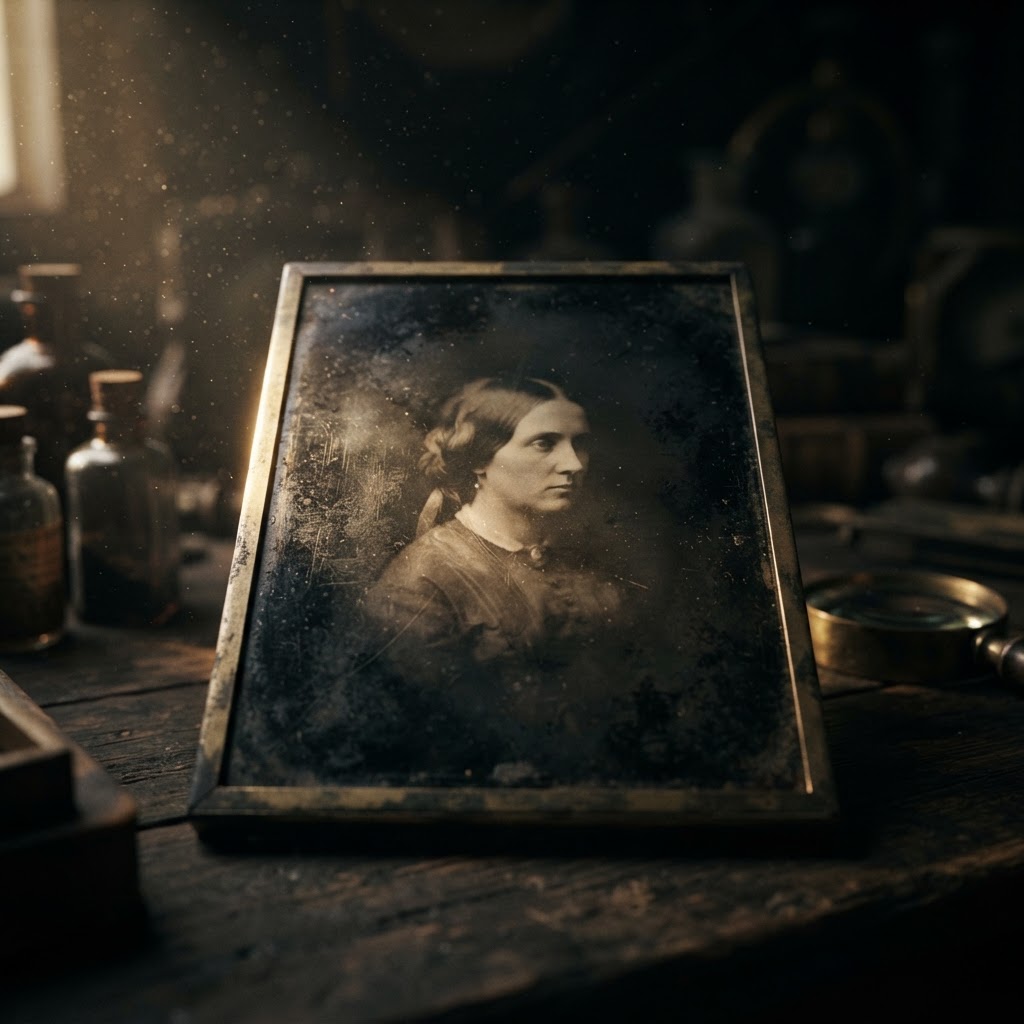
What strikes the modern eye about the tintype is its unique aesthetic. The images are marked by deep, velvety shadows and a monochromatic spectrum that feels raw and immediate. Because each plate is a unique, one-of-a-kind object, there is no 'original' to replicate. This creates an emotional tether to the subject; when you look at a 150-year-old tintype, you are looking at the exact surface that photons struck when that person stood before the lens.
- Durability: Unlike glass, iron plates could withstand the rigors of the American Civil War battlefield.
- Direct Positive: No printing stage was necessary; the image on the plate was the final product.
- Speed: A portrait could be captured, developed, and fixed in a matter of minutes.
A Legacy in Iron
As we continue our exploration here at Photography in the Raw, it is essential to remember that our digital tools are but the latest evolution of this primal urge to stop time. The tintype teaches us that photography is not just about the technical precision of the sensor; it is about the alchemical marriage of chemistry, light, and the human condition. Every time we adjust our aperture or compose a frame, we are participating in a lineage that began with iron plates and wet collodion, a history of light etched into the very fabric of our collective memory.