The Glass Specter: The Ghostly Art of Spirit Photography
The Occult Behind the Lens
In the late 19th century, a curious phenomenon swept through the parlors of the Victorian elite: spirit photography. As a medium, photography was viewed as an objective, scientific record of reality. When William Mumler, a Boston jewelry engraver, accidentally stumbled upon a double exposure that featured a 'spectral' silhouette behind his own image, he did not see a technical error. He saw a gateway to the afterlife. Thus began a strange chapter in our history, where the cold precision of the glass plate was weaponized to provide comfort to a grieving nation.
The Mechanics of Illusion
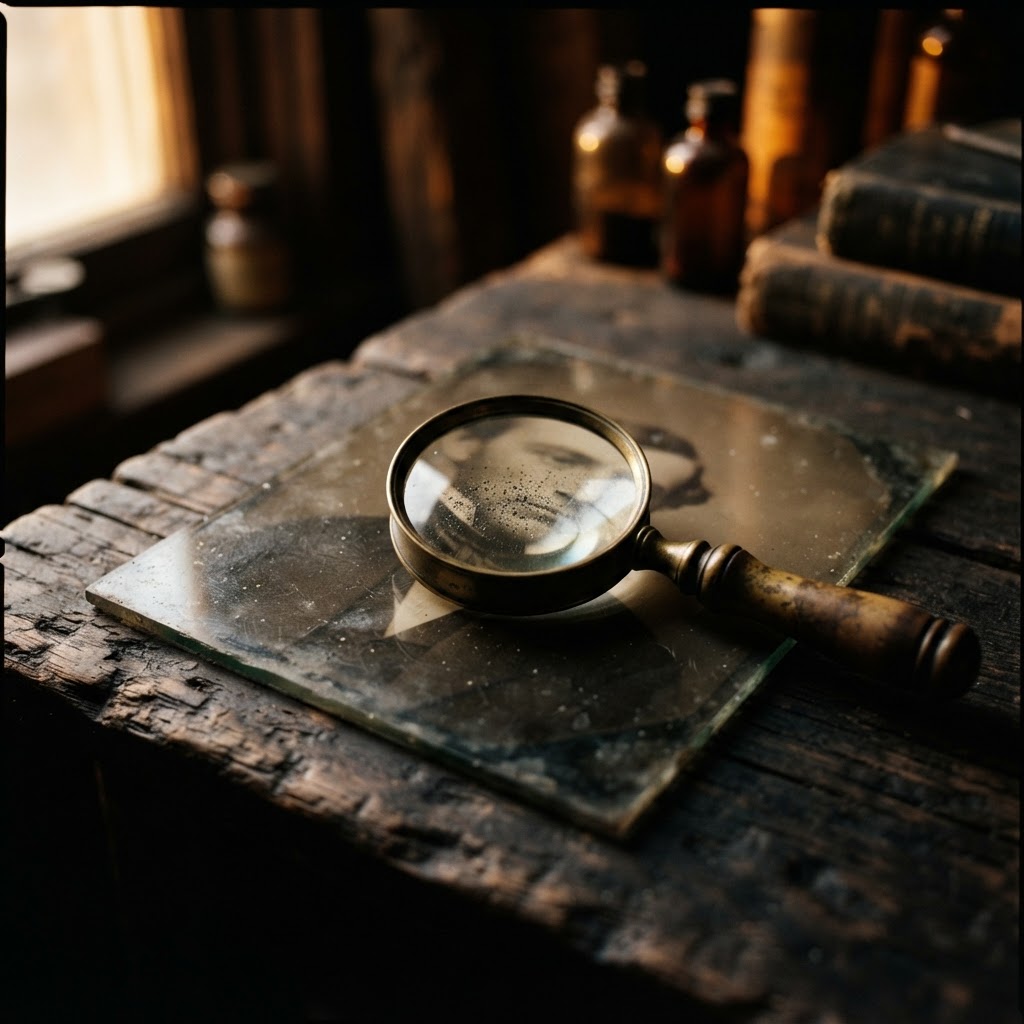
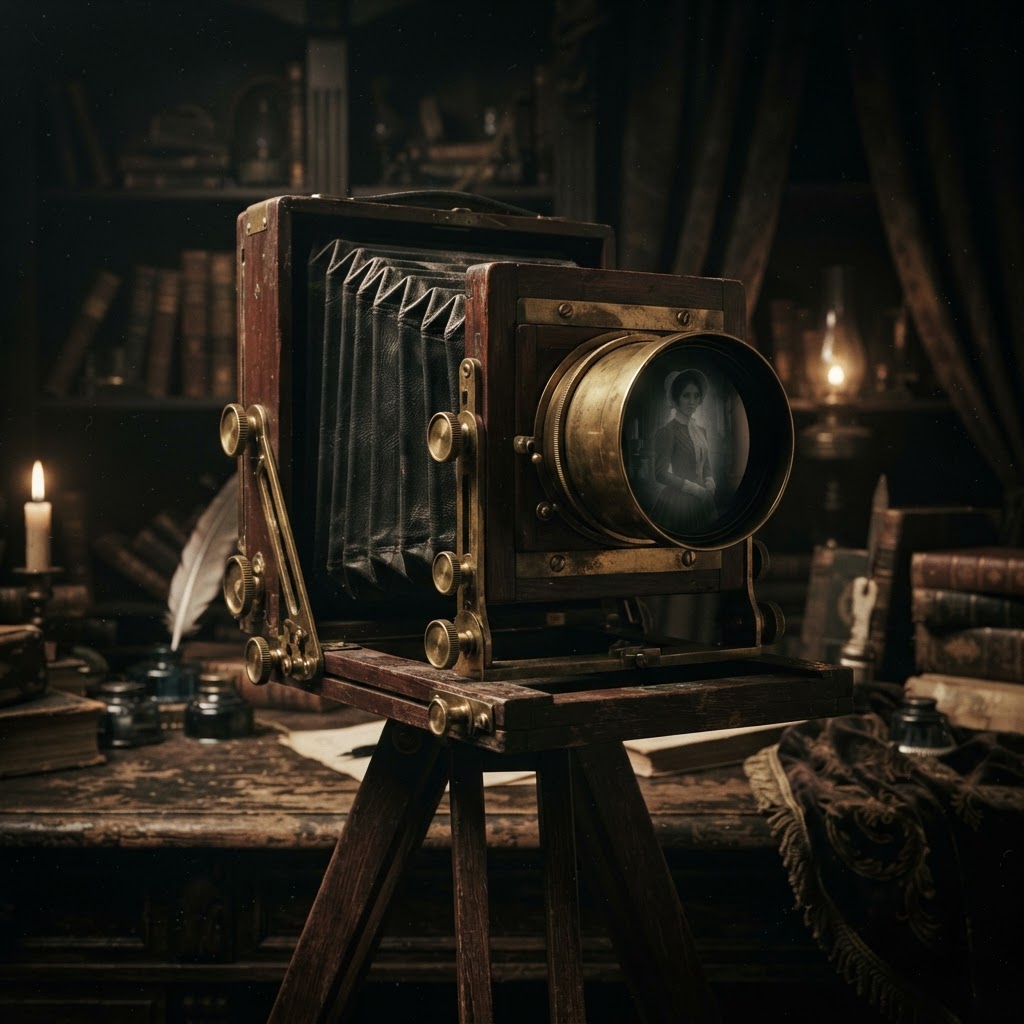
Spirit photography relied on the very limitations of the era's photographic processes. By utilizing pre-exposed plates or double exposures, practitioners could subtly layer imagery. Because the public’s understanding of photographic chemistry was in its infancy, these 'ghostly' apparitions were accepted as authentic by many, including notable figures like Sir Arthur Conan Doyle, who saw the medium as a bridge between the physical and spiritual realms.
- The Double Exposure: The primary tool of the trade, allowing a faint image of a deceased loved one to materialize alongside the sitter.
- The Pre-Exposed Plate: Utilizing glass plates that already contained an image, allowing the 'spirit' to manifest when the new exposure was taken.
- Manipulation of Lighting: Soft, directional light was used to mask the seams of these composite images, creating a hazy, ethereal glow.
To look upon a spirit photograph is to confront the human desire to defy finality. It is the art of the impossible, born from the vulnerability of the lens.
A Legacy of Skepticism and Wonder
As the scientific community began to decode the trickery—most famously through the efforts of P.T. Barnum, who famously exposed Mumler’s fraud in a New York courtroom—the era of the spirit photographer waned. Yet, the cultural impact remained. These images transformed how we perceive the veracity of the photograph. We learned that the camera, while capable of truth, is equally capable of profound deception. Today, we look back at these artifacts not merely as hoaxes, but as evidence of a humanity that was desperate to reach beyond the frame, proving that photography has always been, at its heart, an act of faith.
At Photography in the Raw, we often discuss the 'truth' of the image. The spirit photography movement reminds us that every frame carries a narrative, and sometimes, the most enduring stories are the ones crafted in the delicate, haunting shadows between what is real and what we desperately wish to see.