The Glass Frontier: The Rise and Fall of the Dry Plate Era
The Burden of the Wet Plate
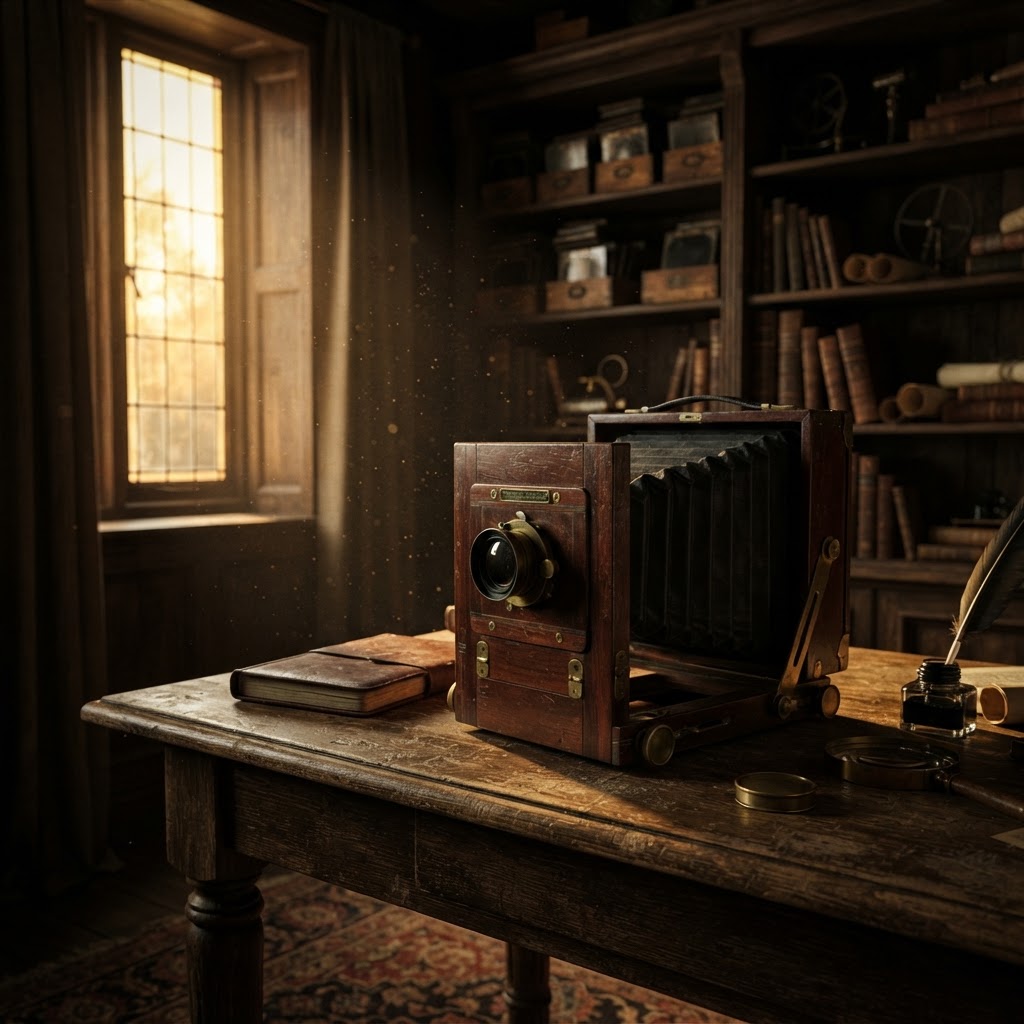
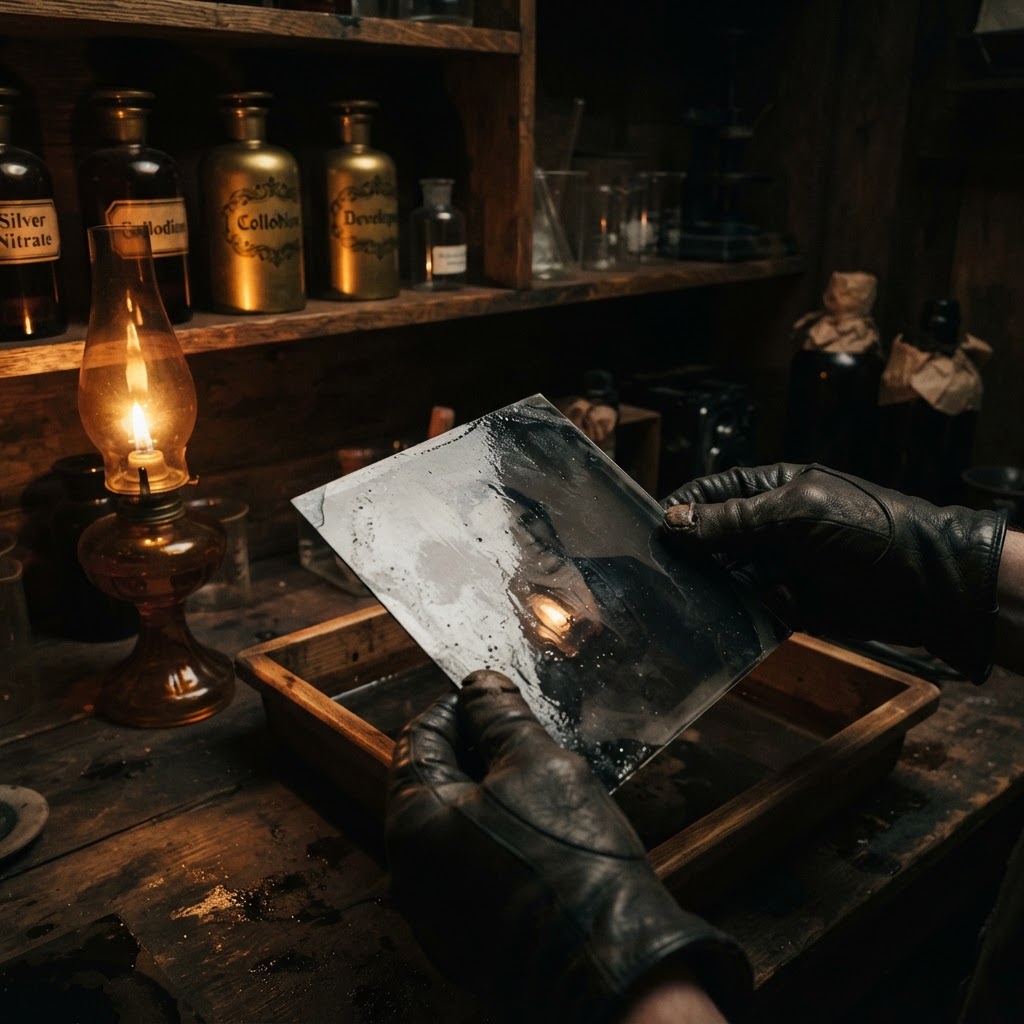
To understand the magnitude of the dry plate revolution, one must first grasp the sheer physical agony of early photography. In the mid-19th century, the wet collodion process reigned supreme. It was a chemical marvel, yes, but it was also a mobile laboratory of misery. Photographers were required to coat, sensitize, expose, and develop glass plates while the collodion was still damp. This meant that any serious landscape photographer had to travel with a portable darkroom—usually a suffocating, light-tight tent—along with heavy, fragile glass plates and a menagerie of volatile chemicals. It was an era where the act of creation was inextricably linked to the labor of a chemist.
The Gelatin Breakthrough
Everything changed in the late 1870s with the refinement of the gelatin dry plate process. By suspending light-sensitive silver bromide in a gelatin emulsion, innovators like Richard Leach Maddox realized that the plate did not need to be processed immediately after coating. More importantly, it did not need to be processed while wet. The plates could be manufactured in a factory, stored for months, and developed at the photographer's leisure. This was the true birth of the 'snapshot' mentality, long before the handheld camera became a household item.
The dry plate was not merely an improvement in convenience; it was a fundamental shift in the relationship between the artist and the subject. By removing the ticking clock of the wet-collodion drying cycle, the photographer was granted the gift of time—the ability to wait for the light, the emotion, and the decisive moment.
The Transformation of the Frame
The implications of this shift were seismic. With the dry plate, photography left the studio and the tent, entering the streets, the rugged mountains, and the chaos of daily life. The portability of these plates allowed for shorter exposure times, which meant that for the first time, movement could be captured without the ghosting effects that haunted earlier efforts. This period saw the rise of:
- Increased Sensitivity: The silver-gelatin emulsion was significantly more light-sensitive, allowing for handheld shots in conditions that would have been impossible years prior.
- Standardization: Factories began mass-producing plates, ensuring consistent quality that the individual, trembling hand of a traveling photographer could rarely match.
- Expansion of Subject Matter: Photographers were no longer tied to stationary architecture or stoic, long-exposure portraiture; the dry plate invited the fleeting, the candid, and the human.
The Legacy of the Glass Frontier
While the dry plate era was relatively short-lived—eventually eclipsed by flexible celluloid film in the 1880s and 90s—it provided the essential bridge between the alchemical era of glass and the modern era of rapid imagery. It forced the industry to standardize, it pushed chemical manufacturers to innovate, and it taught a generation of photographers that the darkroom did not always have to be an extension of the camera.
At Salt Media Studios, we often remind our students that true artistry isn't just about the sensor or the shutter speed; it's about the technical hurdles we choose to overcome to get the shot. The dry plate pioneers worked within a narrow, demanding, and fragile window of possibility. They taught us that while equipment evolves, the hunger to capture reality in its most raw form remains a constant. They were the original pioneers of the 'glass frontier,' leaving behind a legacy that paved the way for every digital sensor we hold today.