The Polaroid Revolution: Edwin Land and the Alchemy of Instant Vision
The Spark of Immediacy
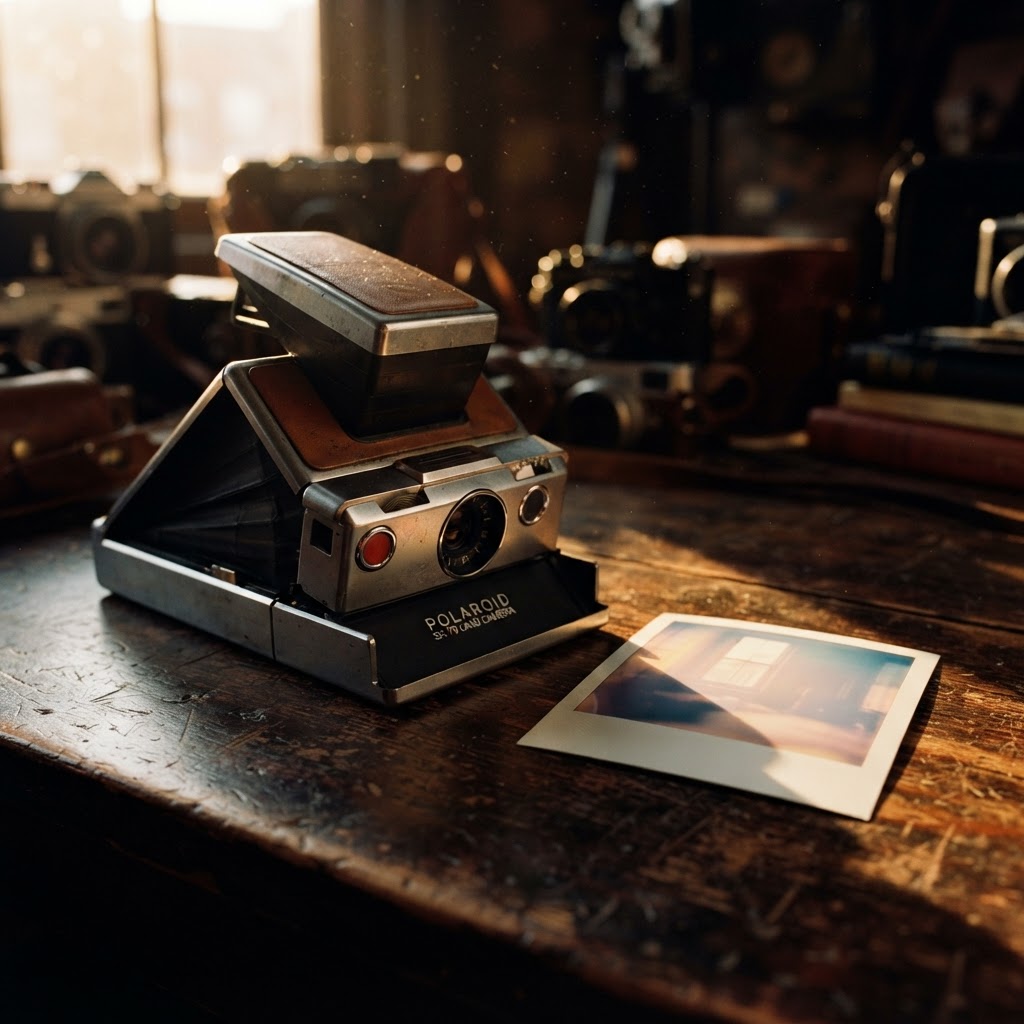
In the mid-20th century, photography was a ritual of patience. To see an image required a darkroom, chemical baths, and a significant passage of time. Then, in 1948, Edwin Land—a visionary physicist and the founder of Polaroid—shattered this paradigm. He introduced the Model 95, a camera that did what once seemed like witchcraft: it produced a finished, positive print within seconds of the shutter click. This wasn't just a technical achievement; it was a fundamental shift in the human relationship with the captured moment.
The Chemistry of the Now
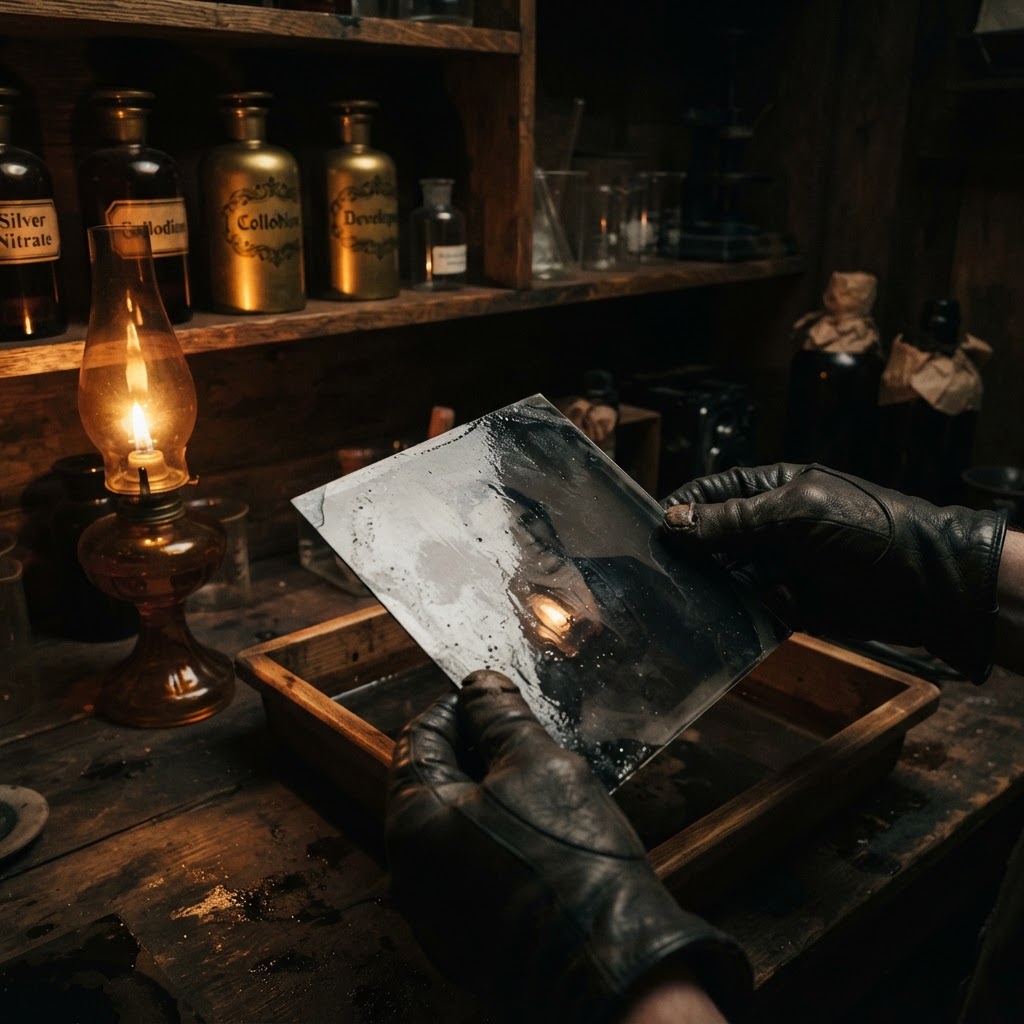
At the heart of the Polaroid miracle lay a complex, folded assembly of chemistry. Land envisioned a 'sandwich' of light-sensitive film and reagent pods. When the user pulled the tab, the camera’s rollers crushed a pod, spreading a thin, uniform layer of chemicals across the negative and the receiver sheet. This process initiated a simultaneous development and transfer, pulling the silver halides into a visible, permanent form on the positive surface. It was, in the truest sense, an alchemy of light and emulsion.
The Social Transformation
The Polaroid camera democratized the image in a way that film rolls never could. Suddenly, the photograph became a tangible artifact to be shared immediately. It birthed the concept of the 'instant souvenir,' changing how parties, family gatherings, and candid street photography functioned. The ability to see what you had captured right away invited a new level of experimentation. Photographers no longer had to wait days to learn if their focus was sharp or their exposure was true; the Polaroid became the ultimate teacher of light.
A Tool for the Masters
While often dismissed by purists as a mere novelty, the instant print quickly captured the imagination of fine artists. From the surrealist polaroids of Lucas Samaras to the intimate, haunting portraits by Andy Warhol, the medium was pushed to its limits. Artists began manipulating the chemical transfer, peeling back layers while still wet to create ethereal, painterly abstractions. It proved that instant photography was not just a utilitarian convenience, but a valid, expressive medium.
The medium is not merely a recorder of events; it is an accomplice to the memory, providing a physical bridge between the fleeting second and the enduring archive.
The Legacy of the Instant
As we navigate the modern age of digital screens and ephemeral cloud storage, the weight of a physical Polaroid carries a unique gravity. It remains a raw, un-editable witness to reality. As practitioners of photography, we must look back at Land’s innovation not just as a piece of history, but as a reminder of the power of the singular, tactile frame. In an era of infinite digital noise, the slow, chemical crawl of an image appearing on a Polaroid remains one of the most profound experiences a photographer can hold in their hands.