The Glass Detective: The Rise of Forensic Photography
The Impartial Witness
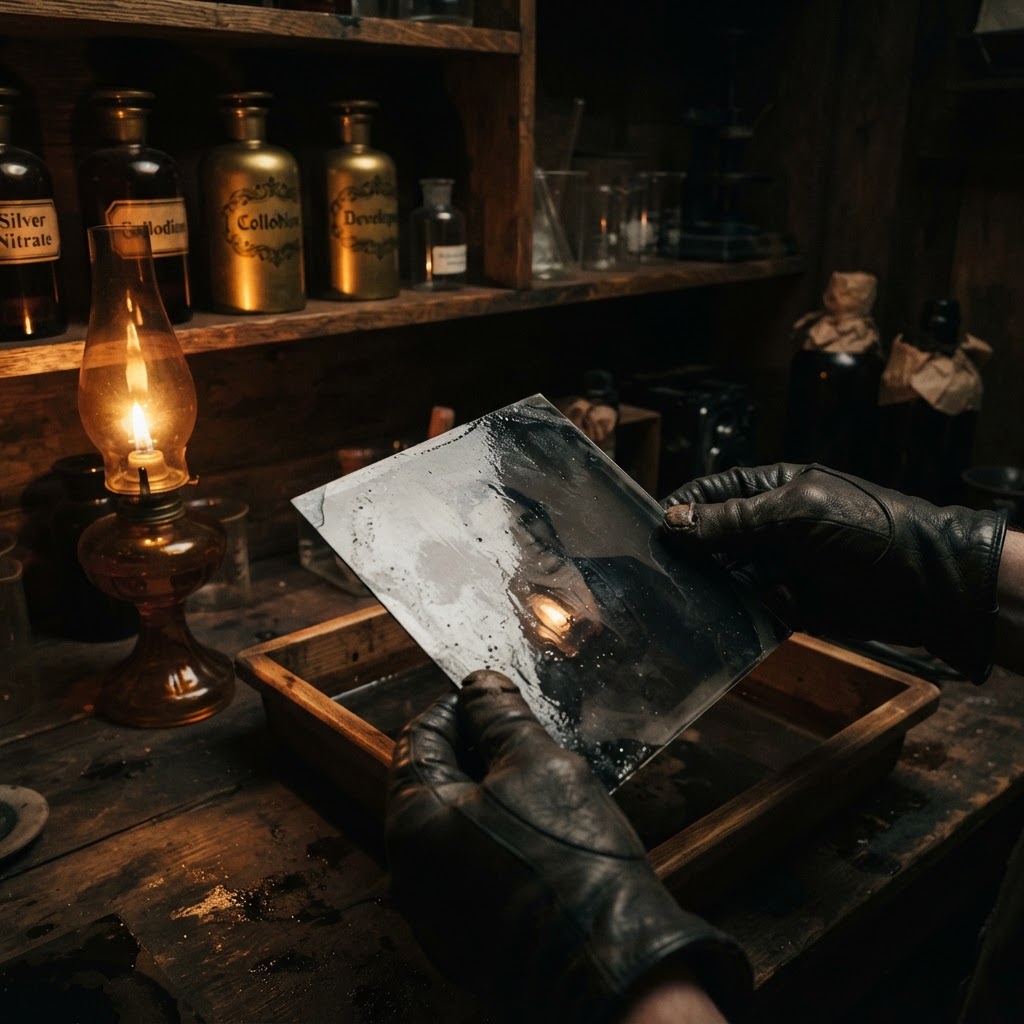
In the mid-19th century, the burgeoning field of criminology found its most formidable ally not in the badge or the baton, but in the polished silver plate and the glass negative. Before the advent of forensic photography, the investigation of crime relied entirely on the fallible nature of human memory and the subjective sketches of police artists. The introduction of the camera into the grim corners of the police station changed the philosophy of law enforcement forever: the lens became the ultimate, objective witness.
The Bertillon System: Measuring the Human Shadow
The true marriage of photography and forensics reached its zenith with the work of Alphonse Bertillon in late 19th-century Paris. Bertillon, a clerk at the Prefecture of Police, grew frustrated with the inefficiency of filing systems for repeat offenders. He developed the Bertillonage—a systematic method of anthropometry combined with standardized portraiture. By establishing strict requirements for head position, lighting, and scale, he created the 'mugshot' as we know it today. He understood that for a photograph to function as evidence, it had to strip away the artifice of portraiture and reduce the subject to a series of measurable, immutable facts.
The camera does not lie, yet it requires a master to ensure it speaks the truth. Through rigorous geometry, we transformed the chaotic visage of the criminal into a predictable coordinate in the social order.
Documenting the Crime Scene
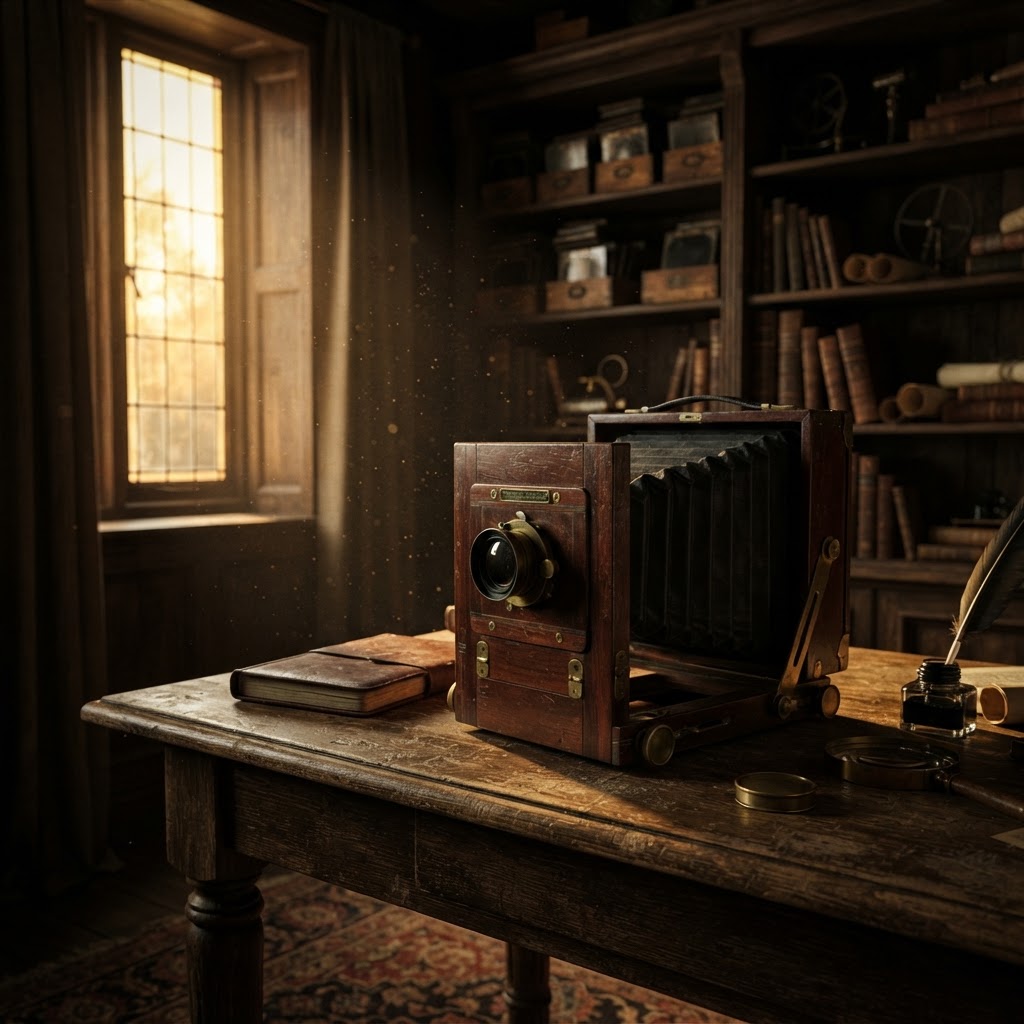
As forensic photography migrated from the police studio to the crime scene, a new set of challenges emerged. Early practitioners like Dr. Rodolphe Archibald Reiss helped codify the 'crime scene sweep,' teaching investigators to capture the room from multiple perspectives before a single object was disturbed. The transition from the heavy, cumbersome wooden view cameras to more portable, rapid-capture devices allowed the camera to function almost like a time machine, preserving the exact spatial relationships between a body, a dropped weapon, and a shattered window.
The Evolution of the Evidence
The impact of this visual revolution cannot be overstated. Consider the following shifts in legal history:
- Objectivity: Photographic evidence shifted the court's reliance from the biased testimony of witnesses to the visual reality of the scene.
- Persistence: Evidence that might decompose, vanish, or be cleaned away could be kept indefinitely in the form of a silver gelatin print.
- Comparative Analysis: High-resolution negatives allowed investigators to compare ballistic markings or tool impressions with a level of detail previously invisible to the naked eye.
The Legacy in the Raw
As photographers, we often focus on the emotional resonance of an image—the beauty, the sorrow, or the narrative. But the history of forensic photography reminds us of the camera’s power as a tool of cold, hard precision. The forensic image is the ultimate 'raw' format; it is data stripped of interpretation, a moment frozen in a state of clinical inquiry. In my work at Salt Media Studios, I often encourage students to look at their subjects with this same level of detached, analytical care. To photograph with purpose, one must learn to observe the world as if it were a puzzle, where the lighting, the frame, and the composition serve only to reveal the essential truth of the subject.
Ultimately, the history of the forensic lens is a testament to our enduring human desire to categorize, understand, and ultimately resolve the mysteries that lie in the shadows of our society.