The Collodion Pulse: Mastering the Wet Plate Collodion Process
The Chemistry of the Infinite
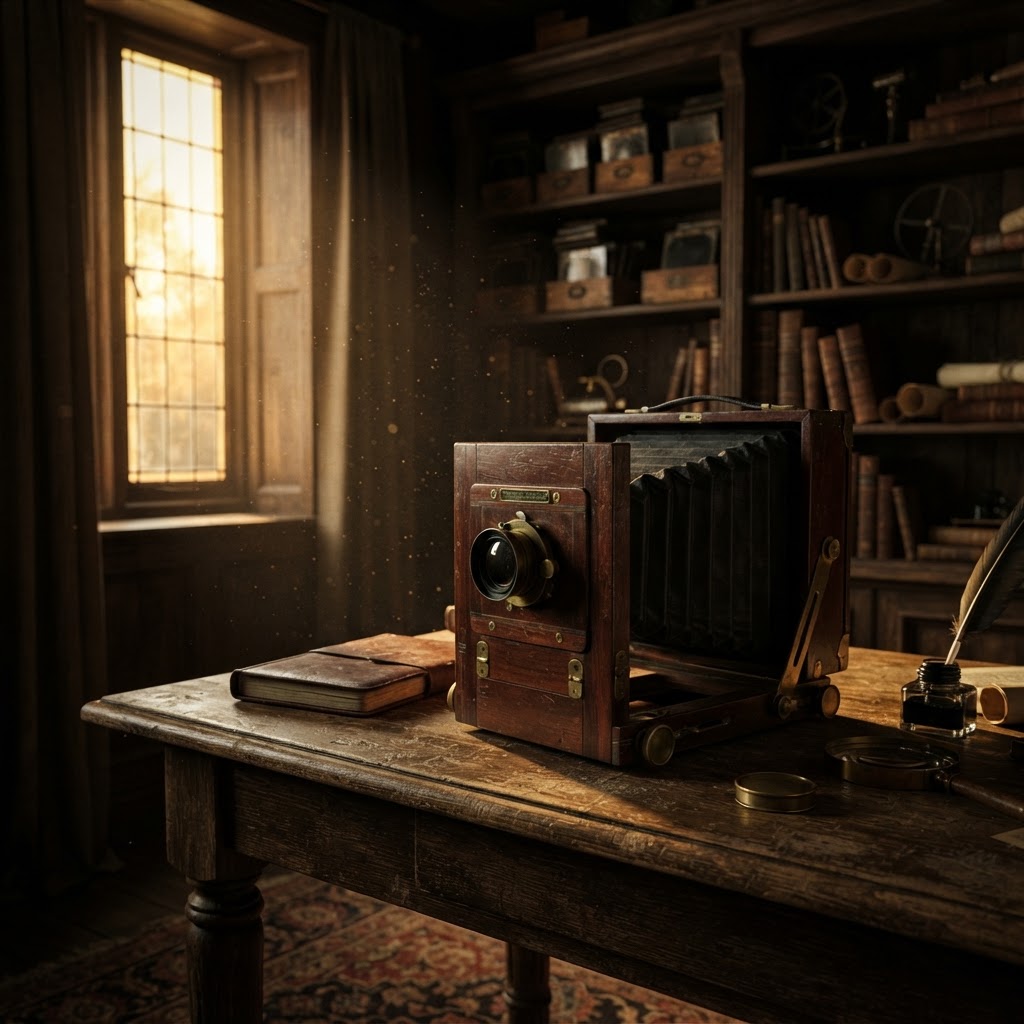
In the quiet corners of the 1850s, photography was not merely a process of pressing a shutter; it was a rigorous, high-stakes dance with chemistry. While the daguerreotype gave us the mirror, it was the wet plate collodion process, perfected by Frederick Scott Archer in 1851, that gave us the negative—and with it, the ability to replicate images with unprecedented detail. Here at Salt Media Studios, we often find ourselves looking back at this era not just for its historical value, but for the profound discipline it demands of a modern photographer.
The Ritual of the Plate
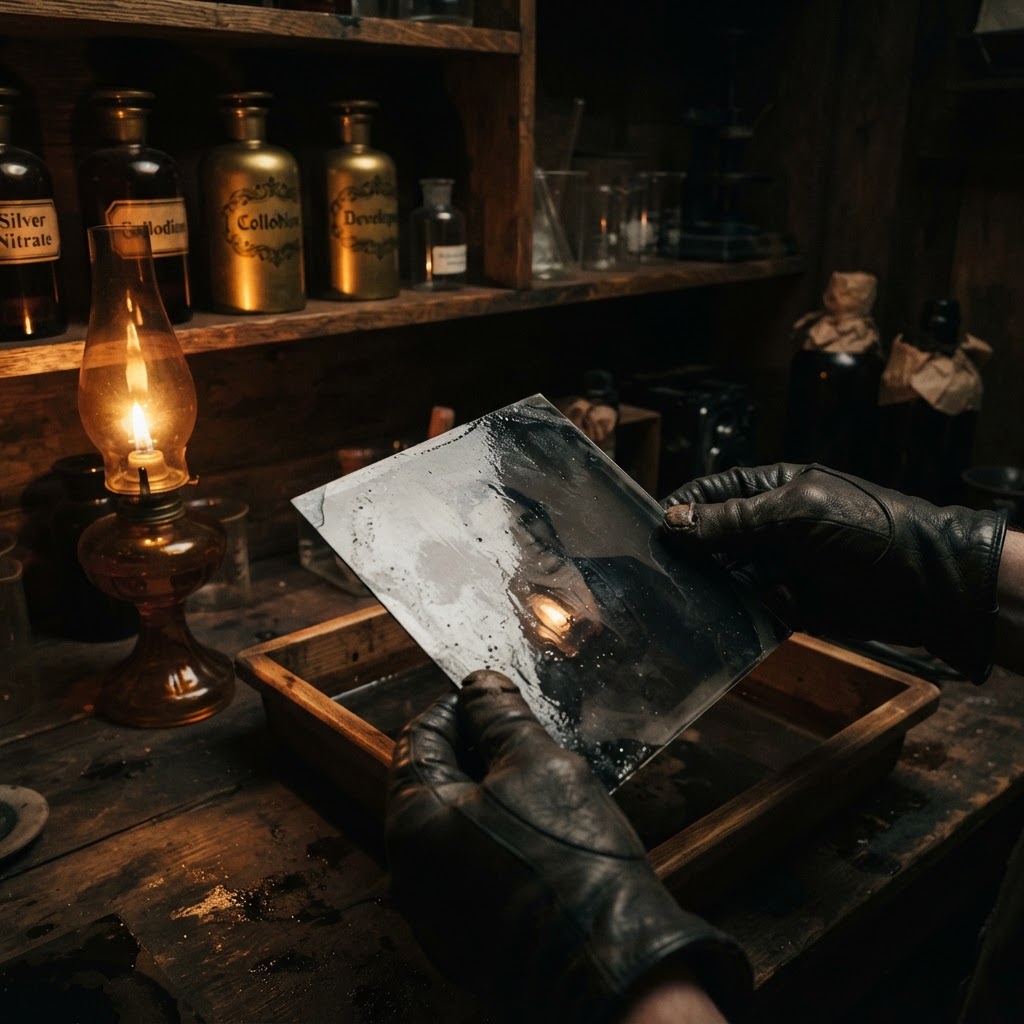
The beauty of the wet plate process lies in its unforgiving nature. A photographer working in the mid-19th century had to carry a portable darkroom, as the plate had to be coated, exposed, and developed while still wet. If the collodion dried, the chemistry would cease to react to light. This meant the entire workflow—from the pouring of the sticky, ether-scented solution onto a glass sheet to the bath of silver nitrate—was a race against evaporation.
The photographer is not merely a witness to a scene; they are an alchemist managing the very threshold of visibility.
This physical connection between the artist and the substrate is what we often lack in the digital age. When you coat a plate, you are making a commitment. You aren't just adjusting settings; you are physically shaping the surface that will eventually hold the light of the world.
Tactile Mastery and the Aesthetic of Detail
Why return to this ancient method? Because the resolution of a wet plate is staggering. Because there is no grain to speak of, the image holds a tonal range that modern sensors struggle to replicate. The process produces a distinct, almost haunting aesthetic: sharp, tactile, and deeply melancholic. The way the silver salts settle on the glass gives the shadows a depth that feels bottomless, while the highlights possess a pearlescent glow that digital high-dynamic-range tools can only mimic with algorithms.
- The Collodion: A mixture of cellulose nitrate, ether, and alcohol that binds the light-sensitive salts to the glass.
- The Silver Bath: The critical stage where the plate becomes sensitized.
- The Exposure: Slow and intentional, demanding total stillness from the subject.
- The Development: A rapid, visceral reveal of an image that has been waiting in the dark.
A Lesson for the Modern Practitioner
In the modern era, we have optimized the speed of capture to the point of exhaustion. We shoot thousands of frames, expecting the 'Decisive Moment' to be caught somewhere in the buffer of our cameras. But the wet plate process teaches us something different: it teaches us the value of the *single* exposure. It teaches us that before we click, we must understand the light, the chemistry, and the weight of the moment we are about to preserve.
At Photography in the Raw, we argue that even if you never pick up a glass plate, the *mindset* of the wet plate photographer is vital. To treat every exposure with the same gravity as if it were your only plate of the day is to elevate your craft from mere image-taking to the art of visual legacy.