The Glass Frontier: The Rise and Fall of the Dry Plate Era
The Transition of Substance
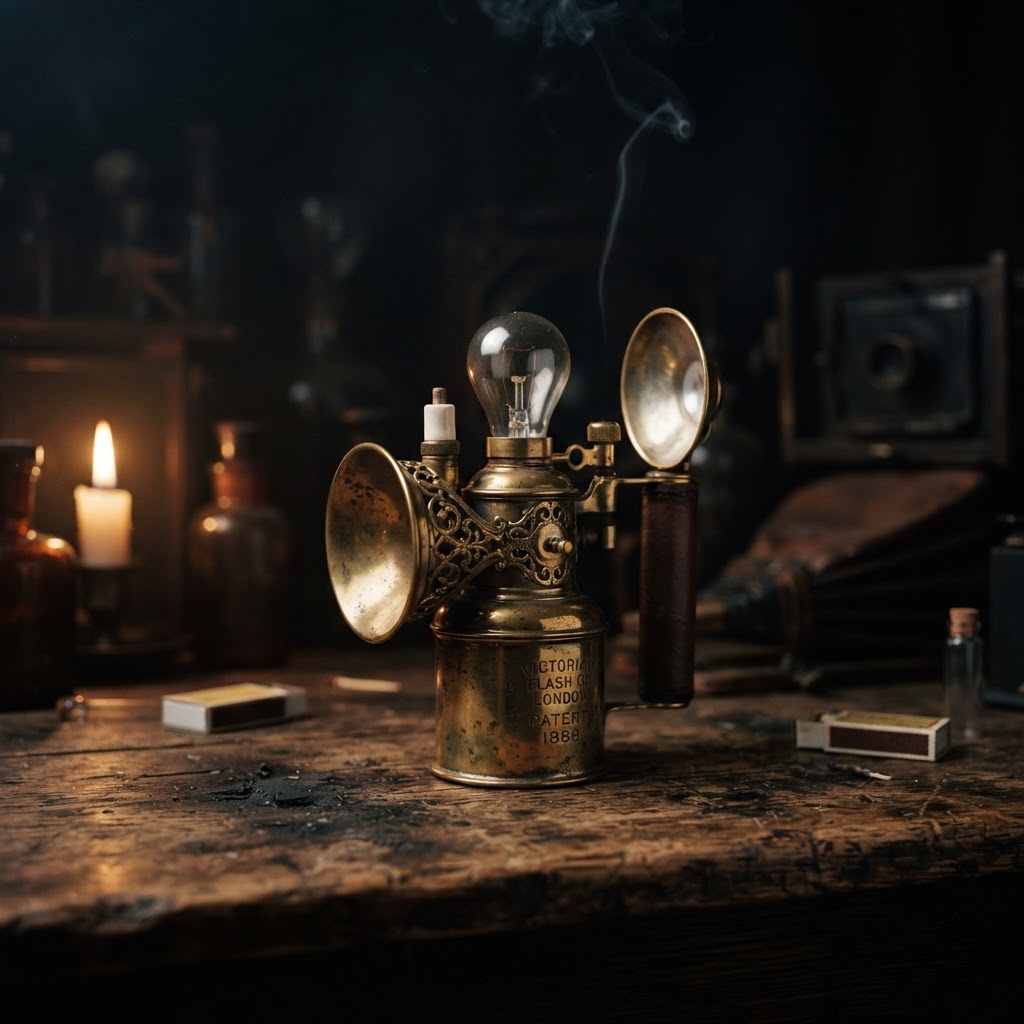
For the early photographer, the studio was a tethered beast. The wet plate collodion process, while capable of exquisite detail, demanded a mobile laboratory. Photographers were forced to carry darkroom tents, volatile chemicals, and heavy glass plates that had to be sensitized, exposed, and developed while still wet. It was an alchemical nightmare that turned the pursuit of light into a grueling feat of endurance. Then, in the late 19th century, the dry plate arrived—a quiet, gelatin-based revolution that effectively cut the chains binding the artist to the chemistry cabinet.
The Gelatin Breakthrough
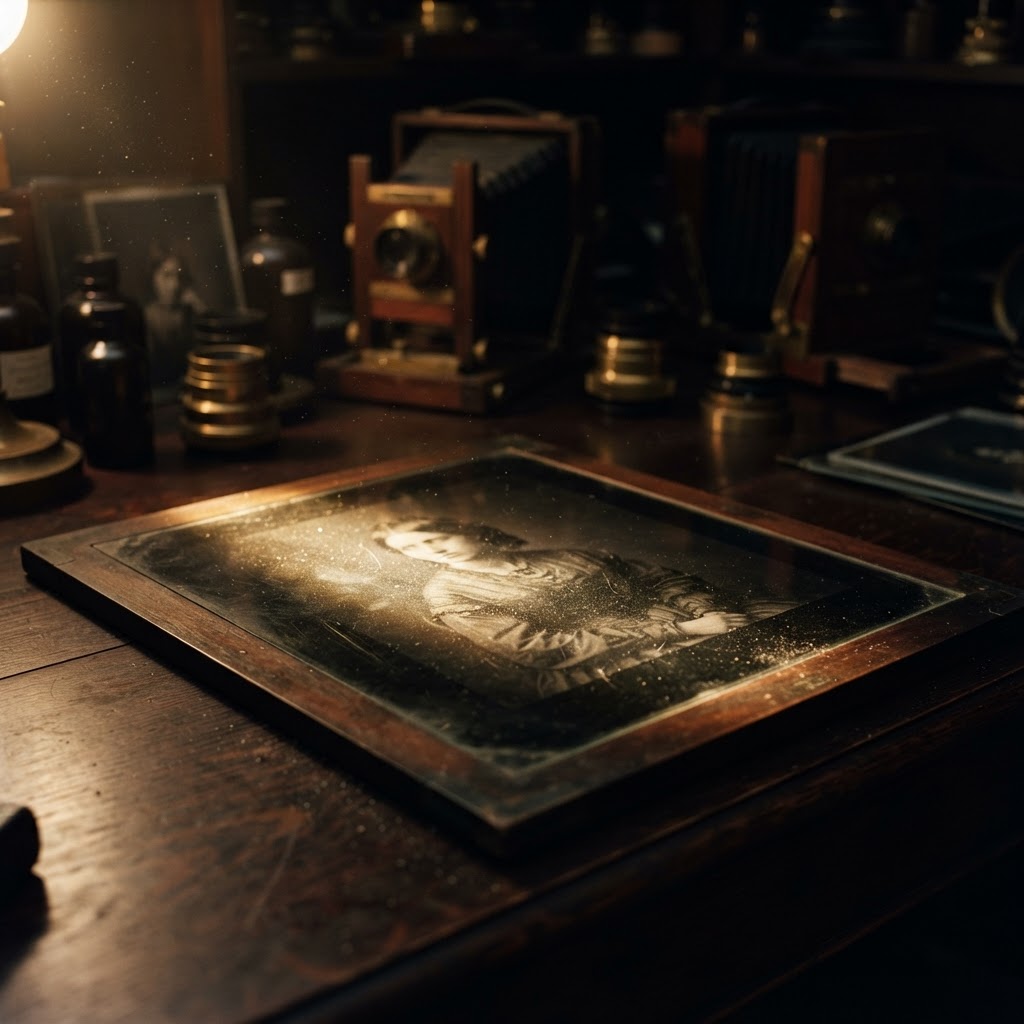
In 1871, Richard Leach Maddox proposed the use of a gelatin emulsion instead of sticky, unstable collodion. By suspending silver bromide in gelatin, he created a surface that did not need to be used immediately. This invention allowed photographers to buy pre-prepared, dry glass plates, which could be exposed at their leisure and developed days or even months later. Suddenly, the camera was no longer a mobile chemical plant; it was a tool of observation. The era of the 'snapshot' was finally within reach, though it would take the refinement of industrial manufacturing to bring it to the masses.
The Weight of Innovation
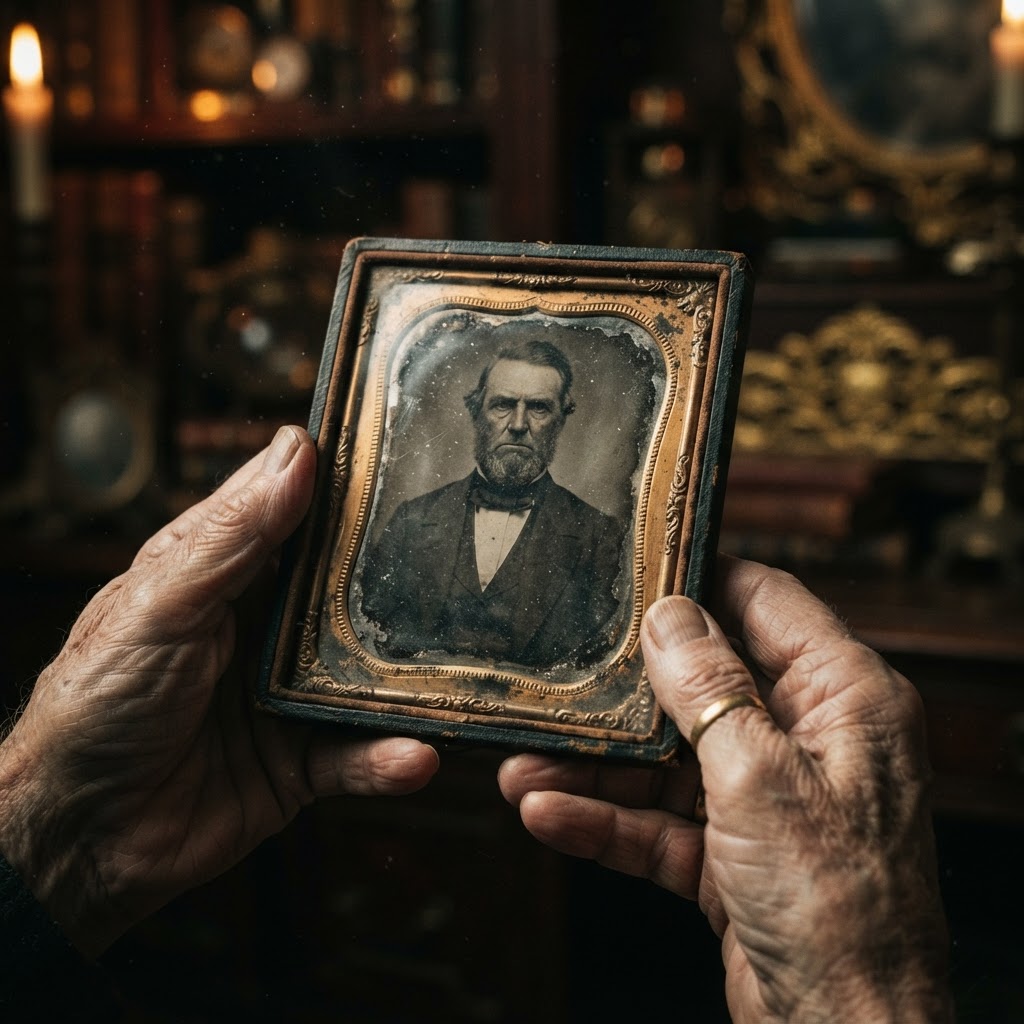
Despite the liberation from wet chemistry, the dry plate era presented its own unique set of physical challenges. Glass was fragile, heavy, and prone to breakage. To capture a single landscape or a fleeting portrait required a significant investment in logistics. Yet, this was the golden age of the tripod and the large-format view camera. Because the plates were now 'dry,' photographers began to experiment with faster exposure times, leading to the birth of candid street photography as we know it today. No longer did a subject need to sit for an eternity; the dry plate allowed for the capture of a gesture, a blink, or a sudden gust of wind.
The dry plate did not just change how we record light; it changed how we inhabit time. By removing the immediate urgency of the chemical clock, we were finally allowed to look at the world before we attempted to trap it.
The Legacy of the Plate
As we reflect on this era from the vantage point of our digital screens, it is easy to overlook the sheer technical mastery required of a dry plate practitioner. Consider these key elements of the craft:
- Precision focus: With large glass plates, the slightest movement in wind or handling could destroy the image.
- Tonal range: The thick, hand-coated gelatin provided a depth of shadow that modern sensors still struggle to emulate with natural warmth.
- Chemical patience: Developing a batch of dry plates was a ritual of precision, requiring specific temperature control to prevent the delicate gelatin from sliding off the glass substrate.
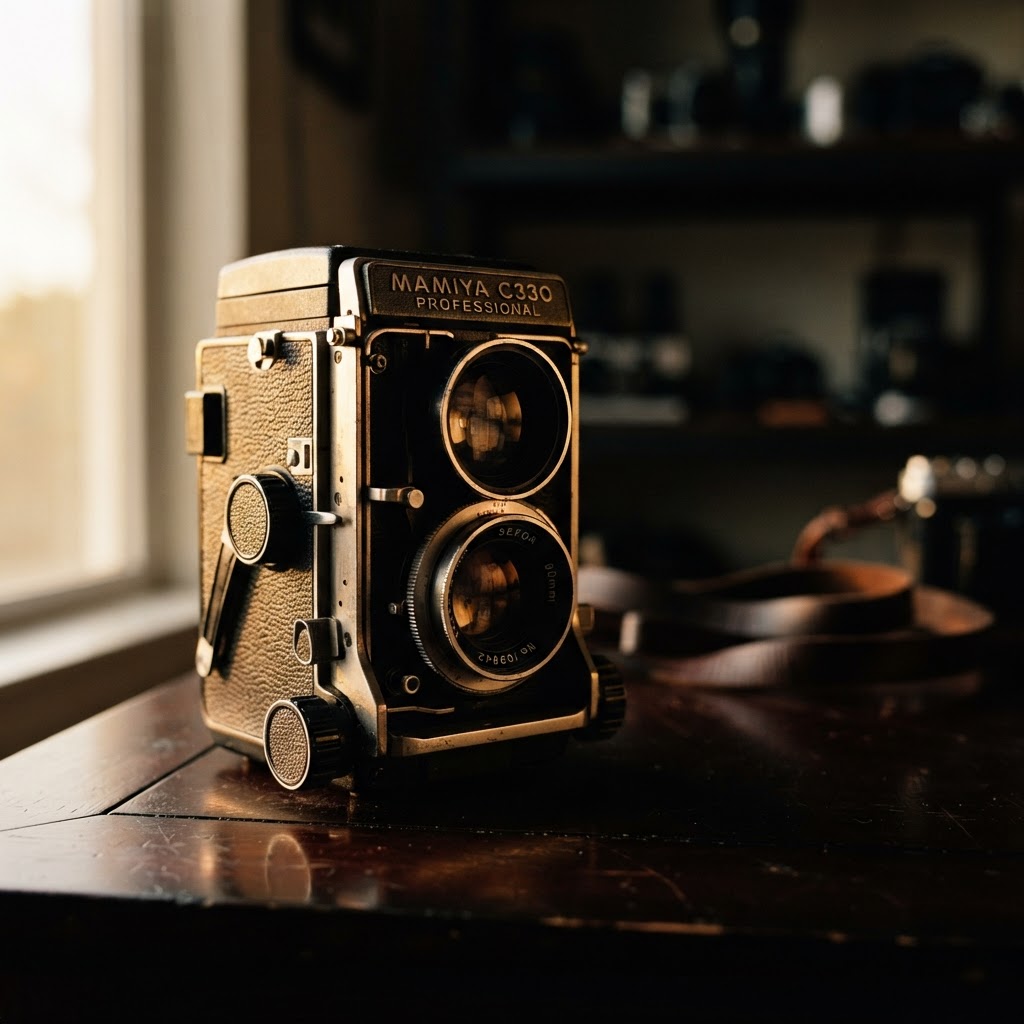
The dry plate era was the bridge between the alchemist-photographer and the consumer-photographer. It was a time of immense growth in technical ability, forcing the artist to understand light, contrast, and composition in a way that modern automation often masks. When you pick up your mirrorless camera today, remember that the freedom you feel—the ability to move quickly and react—is built upon the backs of those who carried crates of glass through forests and city streets, waiting for the perfect moment to slide a dry plate into the dark heart of their camera.