The Light of Conscience: The Unyielding Vision of Mary Ellen Mark
A Compassionate Observer in the Shadows
In the vast landscape of documentary photography, few voices resonate with the piercing clarity and unwavering empathy of Mary Ellen Mark. Born in 1940, Mark spent her life traversing the fine line between the observer and the observed, documenting the people society preferred to leave in the periphery. From the runaway youth of Seattle to the inhabitants of Bombay’s red-light district, Mark’s work is not merely a collection of images—it is an act of witness that challenges the very definition of humanity.
Early Life and the Emergence of a Style
Raised in suburban Pennsylvania, Mark did not begin her journey in photography until she was a graduate student at the University of Pennsylvania. Her transition to the medium was swift and decisive. Following a Fulbright scholarship to Turkey in the mid-1960s, she moved to New York City, where the gritty energy of the streets became her laboratory. Unlike many of her contemporaries, Mark was never interested in the 'decisive moment' for the sake of aesthetics alone; she was interested in the persistent moment—the emotional truth that lingered long after the shutter clicked.
I want to see the truth. I want to see what is real, but I also want to see the beauty in the dark places. The camera is a bridge, not a barrier.
Signature Techniques: The Power of Intimacy
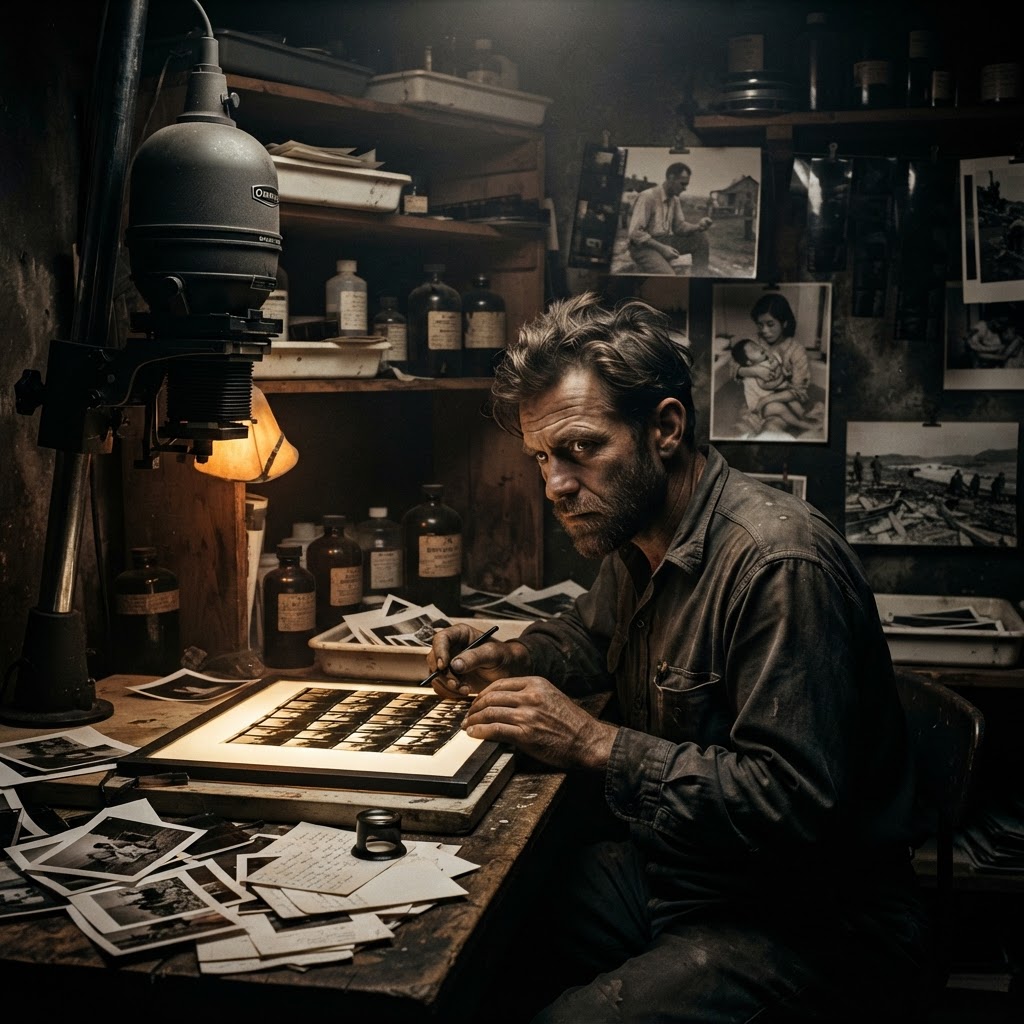
Mark’s process was famously labor-intensive. She was a master of the portrait, often spending months, sometimes years, building trust with her subjects before capturing a single frame. Her signature technique relied on the use of 35mm film, often shot with a wide-angle lens, which allowed her to bring the viewer into the personal space of her subjects. Her composition was never forced; she favored natural light, allowing the environment to speak as loudly as the people within it.
- Radical Empathy: She refused to treat her subjects as 'projects' or 'cases.' She treated them as collaborators.
- The Wide Angle Narrative: By opting for wider lenses, she included the context of poverty, confinement, or chaos, ensuring that the subject was never divorced from their reality.
- Tonal Honesty: Mark’s black-and-white prints are renowned for their deep blacks and subtle mid-tones, lending a timeless, cinematic weight to her subjects.
Iconic Works and Cultural Resonance
Her book Streetwise, and the accompanying film directed by her husband Martin Bell, remains perhaps her most haunting achievement. By following homeless teenagers in Seattle, Mark revealed a world of survival, addiction, and misplaced innocence. Images like 'Tiny in her Halloween Costume' have become cultural touchstones, forcing the public to confront the failures of the social safety net. Her work was never about poverty porn; it was about honoring the resilience of those who are often invisible.
The Burden and the Gift of the Witness
Mary Ellen Mark’s legacy is complex because the world she documented often did not improve. She faced immense criticism at times from those who felt she was exploiting the vulnerable, yet her long-term relationships with her subjects—often checking on them decades later—speak to a profound ethical integrity. She possessed an uncanny ability to find the 'surreal' in the everyday; a woman in a circus, a child in a hospital, a transient on a bus—all were elevated by her gaze to a status of historical importance.
Why We Still Look
Why do we still turn to the work of Mary Ellen Mark in an age of digital saturation and superficial imagery? Because her photography provides a necessary anchor. In a digital world obsessed with self-curated perfection, Mark’s work remains a reminder that photography’s highest calling is to reveal the truth, even when that truth is uncomfortable. Her images matter because they refuse to look away, and they demand that we do the same. She taught generations of photographers that the camera is not just a tool for capturing light—it is a tool for capturing the human soul in all its fractured, beautiful, and fragile glory.