The Magnesium Flash: Lighting the Shadows of the Industrial Age
The Primitive Spark
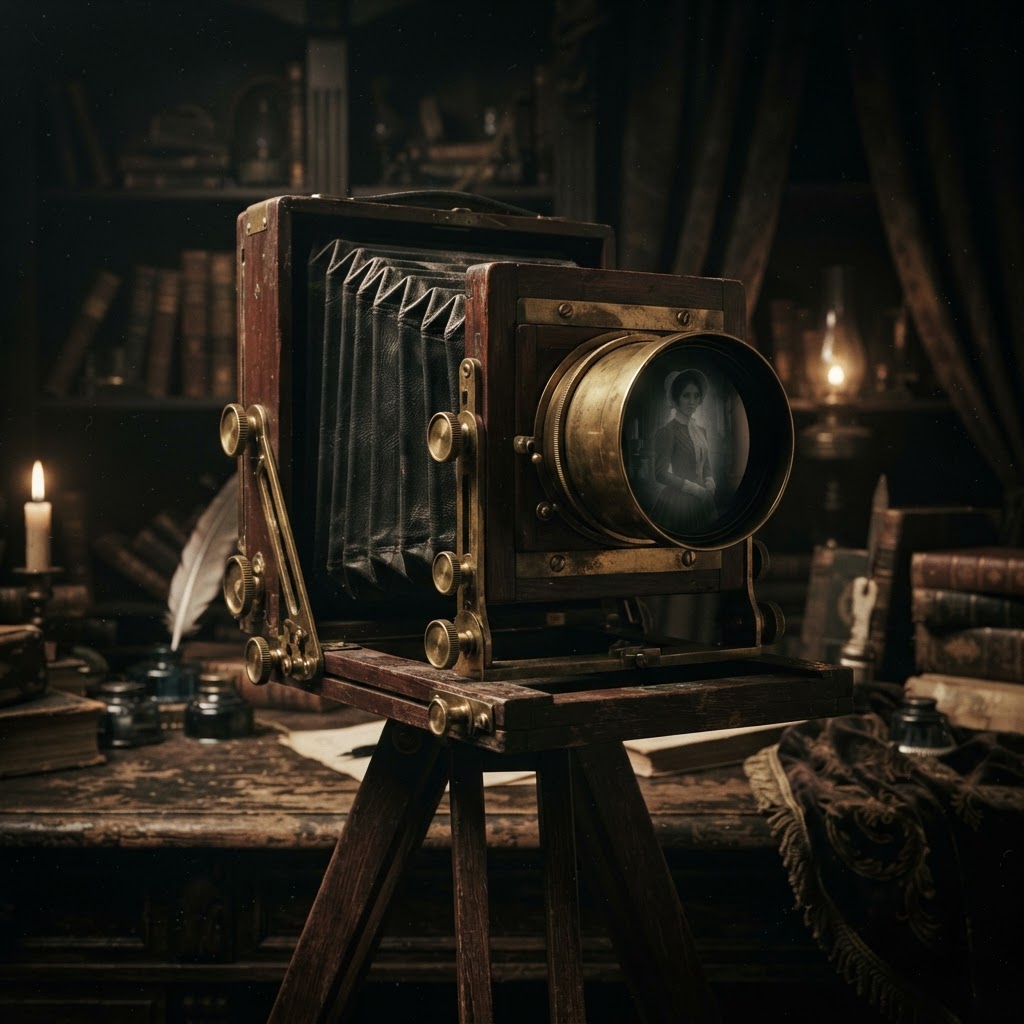
In the mid-19th century, photography was a sedentary affair. To capture an image, one required the cooperation of the sun, long exposure times, and subjects who could hold their breath for minutes at a time. Photography was locked to the daylight hours and the studio ceiling. This limitation created a vast, uncharted territory of shadows—the interiors of coal mines, the clandestine meetings of city halls, and the private lives of the working class—that remained invisible to the lens. The breakthrough, as often happens in our craft, arrived not through a subtle refinement of optics, but through a violent chemical reaction.
The Magnesium Breakthrough
In 1864, Edward Sonstadt and Henry Roscoe discovered that burning magnesium ribbon produced a light so intense it mimicked the spectral quality of sunlight. For the first time, photographers had a portable sun they could carry in their waistcoat pocket. This was not the sophisticated, balanced light we use at Salt Media Studios today; it was a hazardous, blinding, and visceral explosion of illumination.
The Perils of Illumination
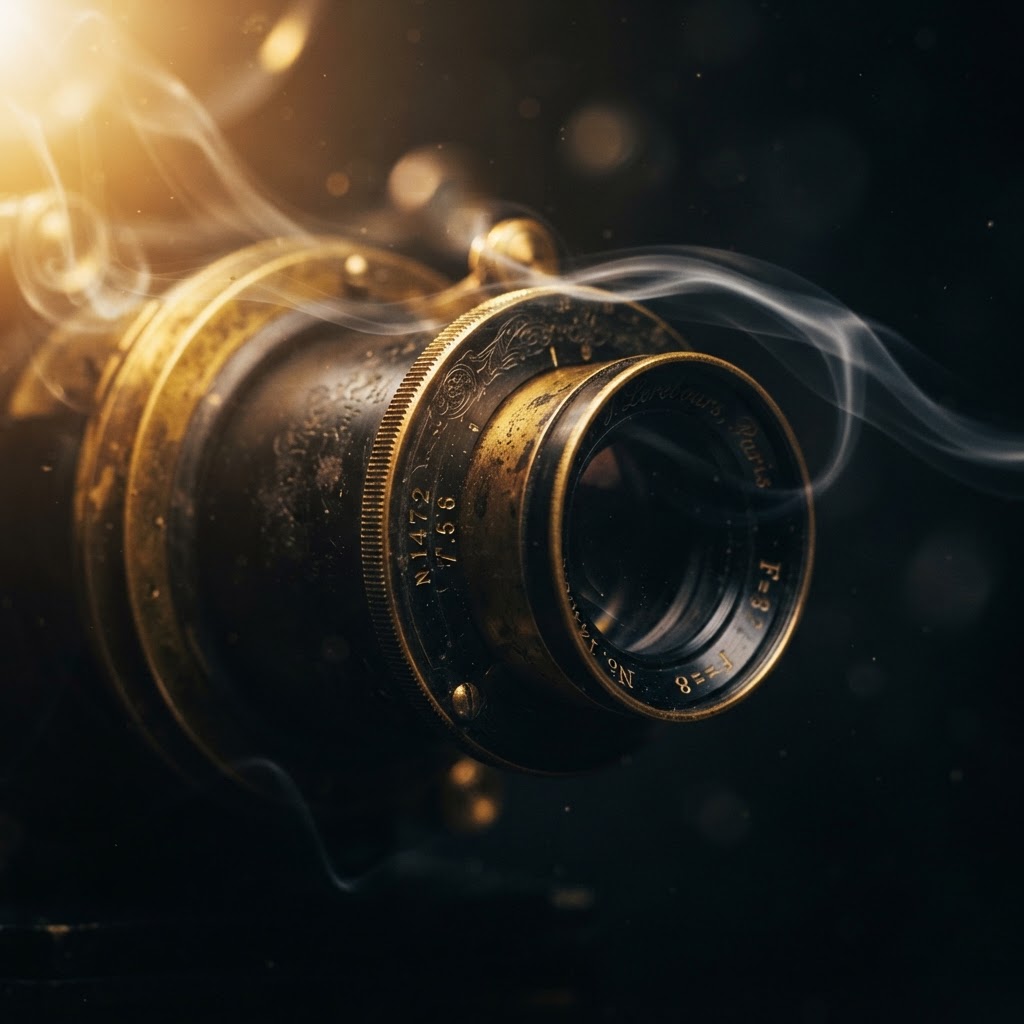
The early flash was not for the faint of heart. It involved mixing magnesium powder with potassium chlorate—a combination prone to unpredictable detonation. The 'flash-powder' era was defined by white-hot clouds of acrid smoke, singed eyebrows, and the occasional blast that shattered glass plates or startled subjects into blurred phantoms. Yet, despite the danger, it represented the first true liberation of the shutter from the constraints of solar time.
The flash was not merely an accessory; it was an act of defiance against the dark. It forced the world to reveal what it preferred to keep hidden in the corners.
Documenting the Hidden World
The most profound impact of the magnesium flash arrived with the work of social reformers like Jacob Riis. Using a frying pan filled with flash powder, Riis ventured into the tenements of New York City. The result was a chilling, stark realism that the world had never witnessed. By 'popping' the flash in the pitch-black hallways of poverty, Riis exposed the brutal reality of the urban poor. These images were not soft, painterly portraits; they were sharp, unforgiving, and deeply human. The light didn't just illuminate the space—it interrogated it.
A Legacy of Control
Today, as we manipulate sophisticated LED arrays and high-speed sync strobes, we owe a debt to those early, perilous experiments. The evolution of artificial light is the history of gaining control over the photon. The magnesium flash taught us two vital lessons that remain core to the Photography in the Raw philosophy:
- Light is a tool of narrative, not just exposure.
- Control over your light source is the ultimate freedom for the photographer.
The next time you adjust your softbox, think of those early pioneers in their smoke-filled rooms, struggling to harness the power of a chemical spark. They were the first to prove that even in the deepest shadow, there is a story waiting to be illuminated.