The Glass Frontier: The Rise and Fall of the Dry Plate Era
The Great Transition: Leaving the Wet Plate Behind
For the early photographer, the studio was a tether. The wet collodion process, while breathtaking in its detail, demanded a traveling darkroom—a chaotic, odor-filled tent where plates were sensitized, exposed, and developed in a breathless race against evaporation. It was a craft for the patient and the stout-hearted. But in the 1870s, the photographic world stood on the precipice of a liberation that would eventually place the power of the image into the hands of the masses: the dry plate.
The Chemistry of Convenience
The invention of the gelatin dry plate, pioneered by Richard Leach Maddox in 1871, was nothing short of alchemical wizardry. By suspending silver bromide in a gelatin emulsion, photographers could finally coat glass plates that remained sensitive to light even after they had dried. No longer did the artist need to carry a miniature laboratory into the field. This leap in technology was not merely about comfort; it was a revolution in temporal control.
The dry plate did not just simplify the process; it fundamentally altered our relationship with time itself. We were no longer servants to the chemical evaporation of our negatives.
The Impact on the Artistic Landscape
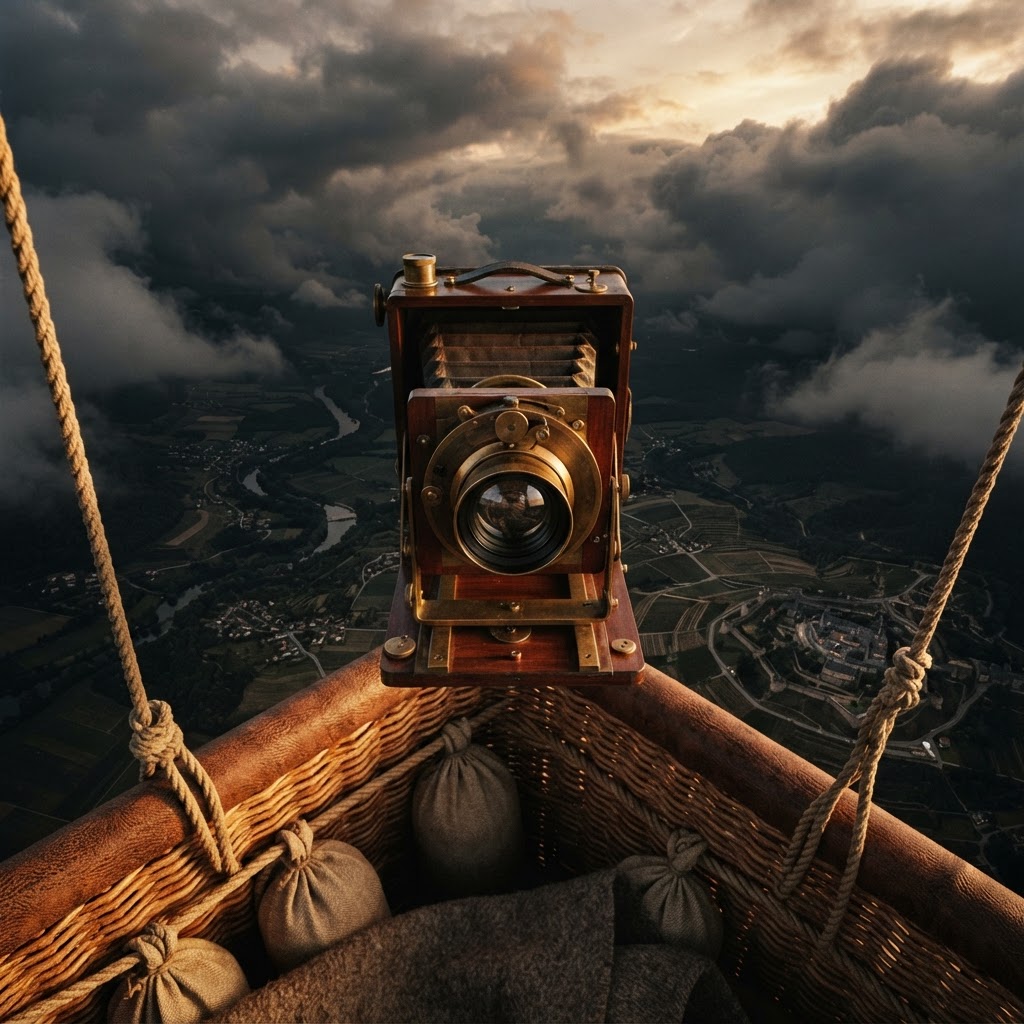
With the physical burden of the darkroom lifted, the mid-to-late 19th-century photographer gained an unprecedented degree of freedom. This era birthed a new wave of field exploration and documentary photography that would have been physically impossible under the strictures of wet collodion. Consider the landscape photographers of the American West; the ability to prepare plates days in advance meant that they could venture deeper into the wilderness, waiting for the light to align with the landscape rather than rushing to fix their plates before the chemicals crystallized.
The Legacy of the Glass Frontier
The dry plate era bridged the gap between the rigid, artisanal methods of the early pioneers and the rapid-fire industrialization of film photography. It was the era that taught us how to standardize exposure, how to predict tonal response, and how to treat the negative as a persistent, stable asset rather than a frantic, ephemeral experiment.
- Increased Sensitivity: Faster emulsion speeds allowed for the capture of motion that was previously relegated to blur.
- Portability: The ability to pre-package plates ushered in the era of the 'detective camera' and eventually the handheld snapshot.
- Standardization: It laid the foundational manufacturing protocols that would eventually allow Eastman Kodak to dominate the 20th century.
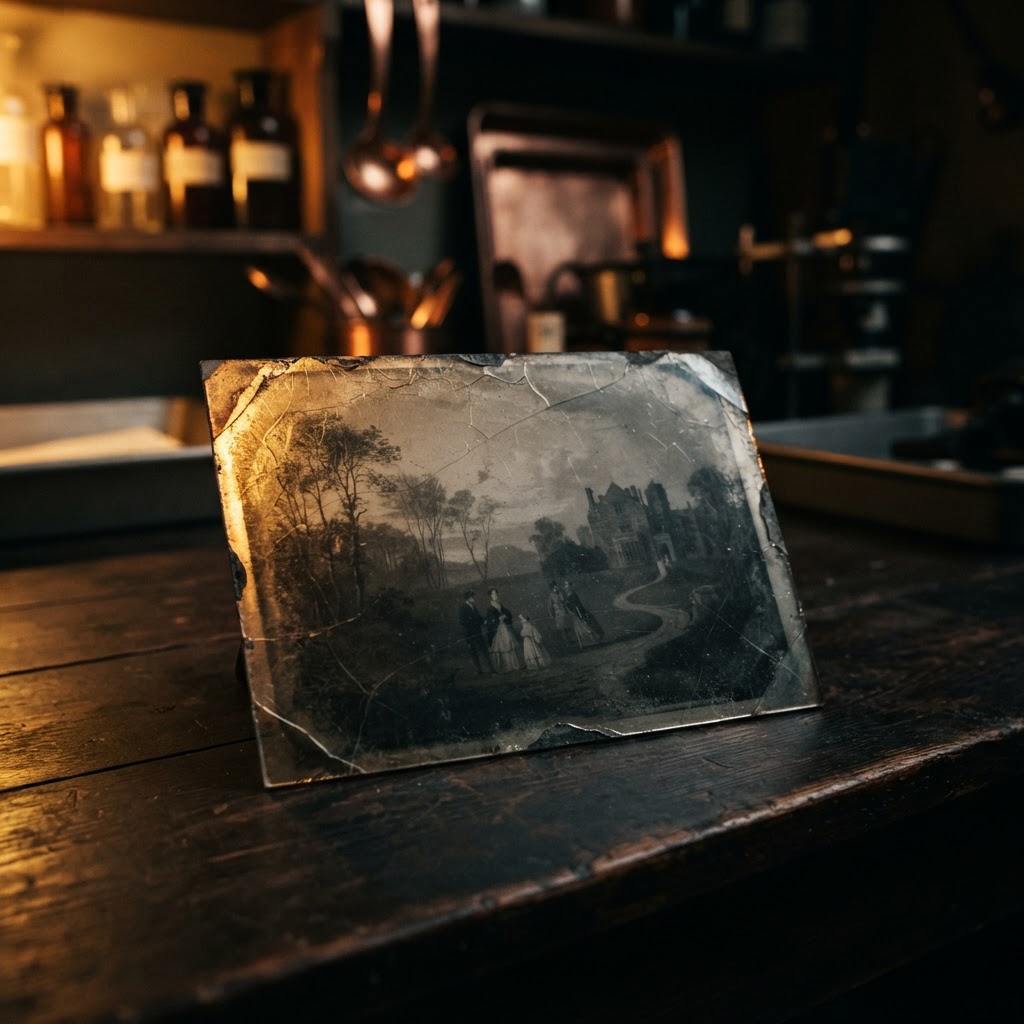
As we look back at these heavy, fragile, and meticulously crafted glass plates, we are looking at the direct ancestors of our digital sensors. They were the first step toward the democratization of the image—a shift that transformed photography from a dangerous, secretive magic into a universal language. The dry plate era may have been a finite point in history, but its influence on our optical perception remains infinite.