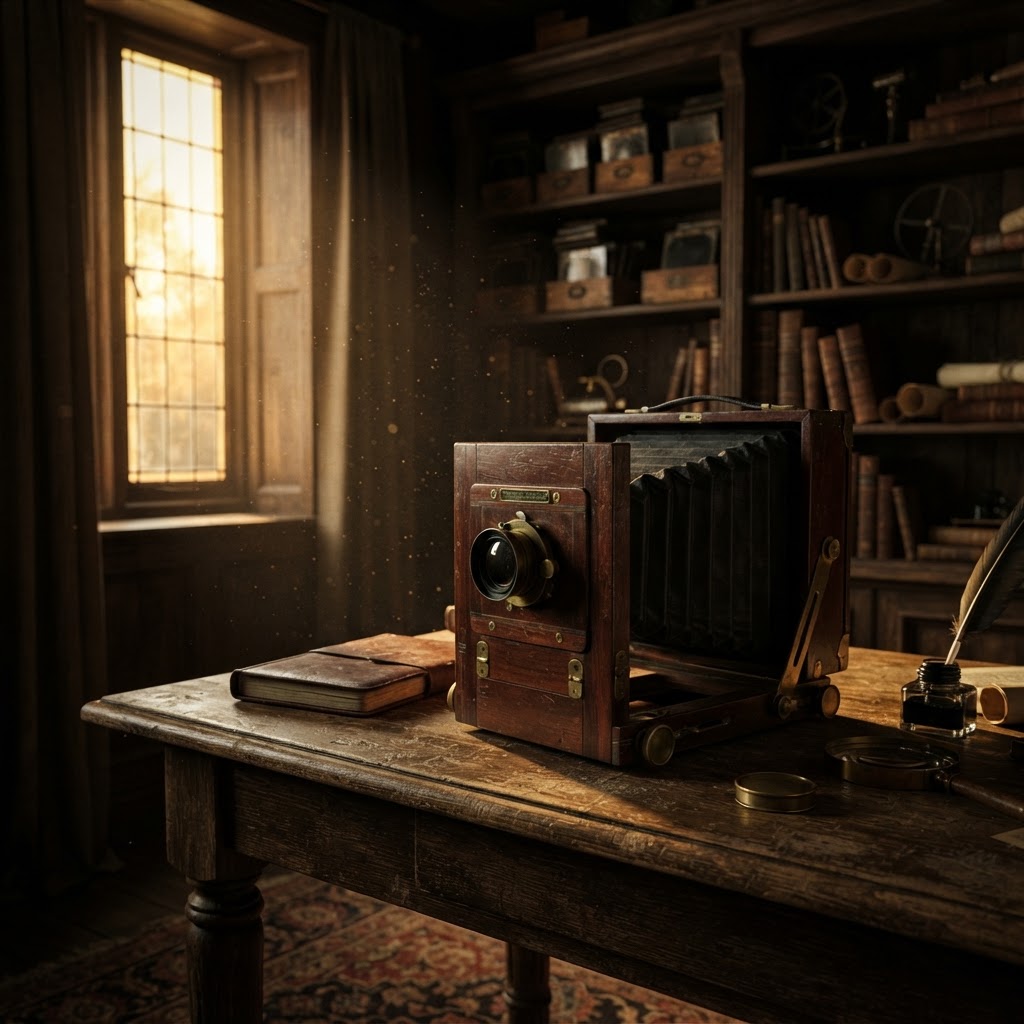
The Glass Alchemy of the Daguerreotype: Capturing the Infinite
The Silvered Mirror of History
In the quiet, dusty workshops of the 1830s, Louis-Jacques-Mandé Daguerre was engaged in an obsessive pursuit: fixing the ephemeral beauty of the camera obscura onto a physical surface. The result of his labor, announced to the world by the French Academy of Sciences in 1839, was not merely an invention; it was a revolution in human consciousness. The daguerreotype was the first commercially successful photographic process, turning a copper plate coated in light-sensitive silver halide into a mirror with a memory.
The Alchemical Process
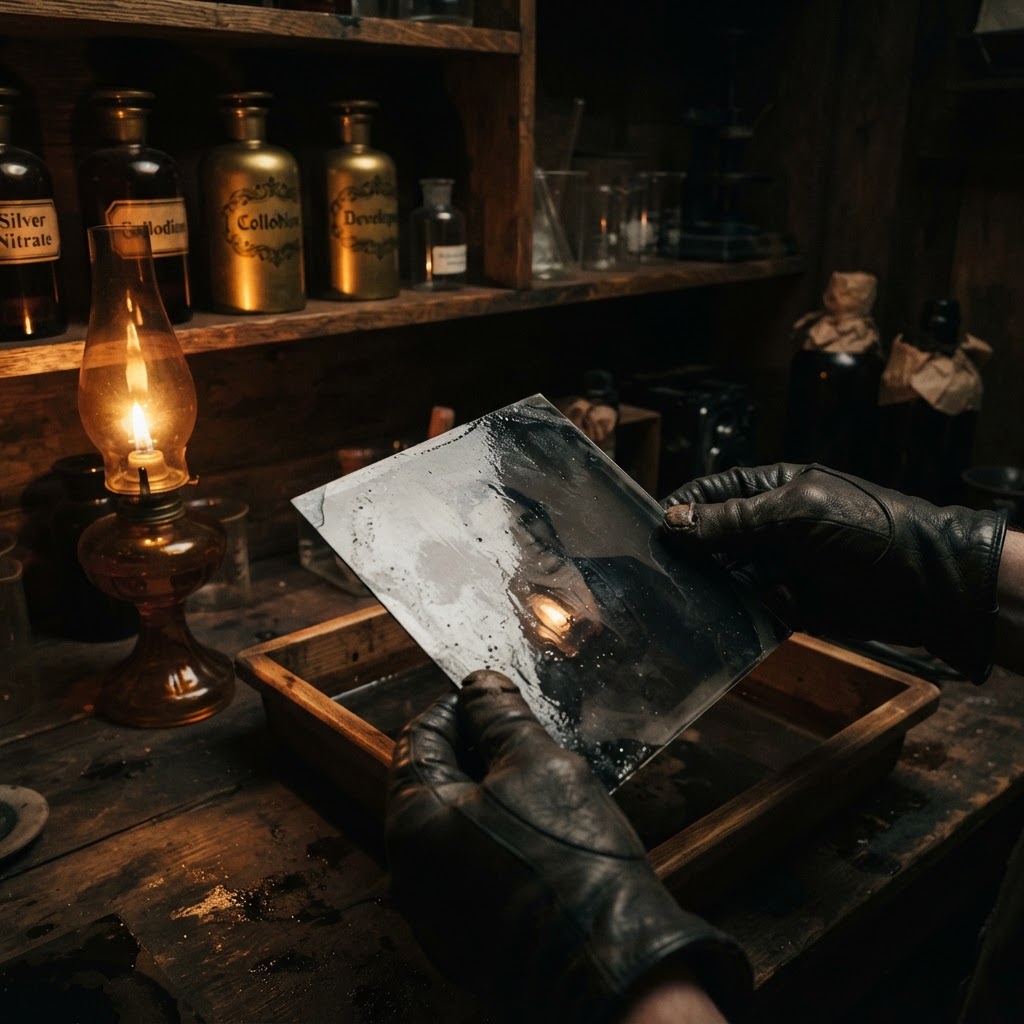
Unlike the negative-positive processes that would follow, the daguerreotype was a singular, precious object. To create one, a silver-plated sheet of copper was polished to a mirror-like finish, sensitized in a box of iodine fumes, and exposed in a camera. The development process itself was a hazardous dance with chemistry, requiring the plate to be suspended over heated mercury. The rising fumes would amalgamate with the exposed silver, creating a breathtakingly sharp image that appeared to float within the metal itself.
The daguerreotype was not a reproduction; it was a relic. It captured the light of the subject directly, imprinting it onto a physical surface that demanded respect and careful preservation.
The Aesthetics of Precision
What strikes the modern eye about these early images is their uncanny, almost microscopic detail. Because the image is formed by millions of tiny particles of silver amalgam, there is effectively no grain. Under a magnifying glass, a daguerreotype reveals textures that even high-resolution digital sensors struggle to replicate today. However, this beauty came with significant challenges:
- Long Exposure Times: Early subjects had to sit perfectly still for minutes at a time, leading to the use of iron headrests to prevent blurring.
- The Mirror Effect: The image can only be viewed at a specific angle, forcing the viewer into an intimate, physical relationship with the plate.
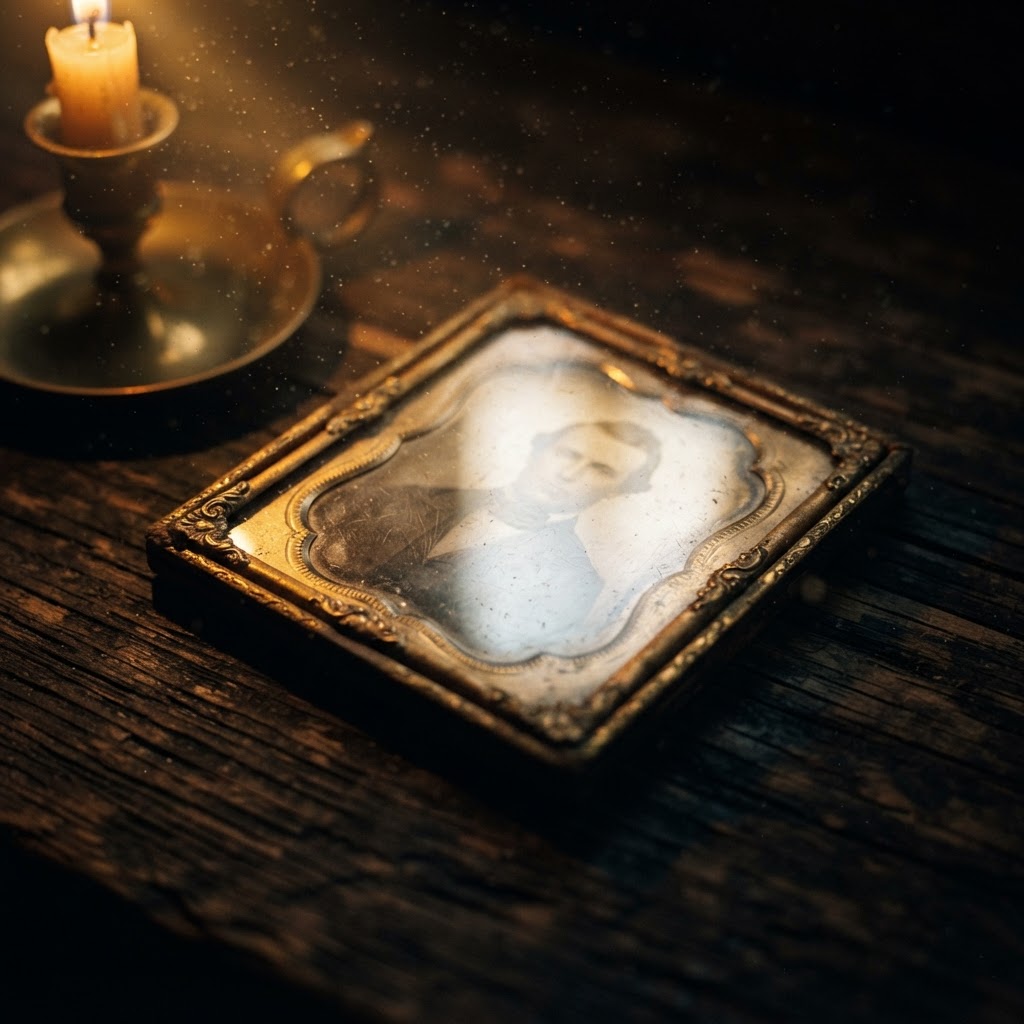
- Fragility: The silver surface was extremely delicate and prone to oxidation, necessitating the famous velvet-lined cases that became the signature of the era.
The Portrait of an Era
The daguerreotype democratized portraiture. Suddenly, the ability to record one's likeness was no longer the exclusive domain of the wealthy who could afford oil paintings. The "Daguerreotypomania" that swept across Europe and America allowed families to preserve the memory of their loved ones, even long after they had passed. It was the first time in history that the masses could look into the eyes of their ancestors with near-perfect accuracy.
At Photography in the Raw, we often speak about the soul of the image. The daguerreotype is the progenitor of that sentiment. Its silver-mirrored surface captures not just the geometry of a face, but the stillness of a moment trapped between light and metal. As we navigate the era of high-speed digital buffers and instant AI generation, remembering the laborious, dangerous, and utterly magical origins of our craft reminds us that true photography is, and has always been, an act of capturing the infinite.