The Raw Humanity of Don McCullin: Witnessing the Edge of Survival
The Unblinking Eye of History
In the long history of photojournalism, there are those who report and those who suffer with their subjects. Don McCullin belongs to the latter. Born into the grim, smog-choked landscape of Finsbury Park, London, during the Great Depression, McCullin was a child of the Blitz. The trauma of war was not an abstract concept to him; it was the backdrop of his formative years. This inherent familiarity with loss and structural collapse would define his later career, turning him into one of the most formidable witnesses to the 20th century’s darkest chapters.
The Formative Shift
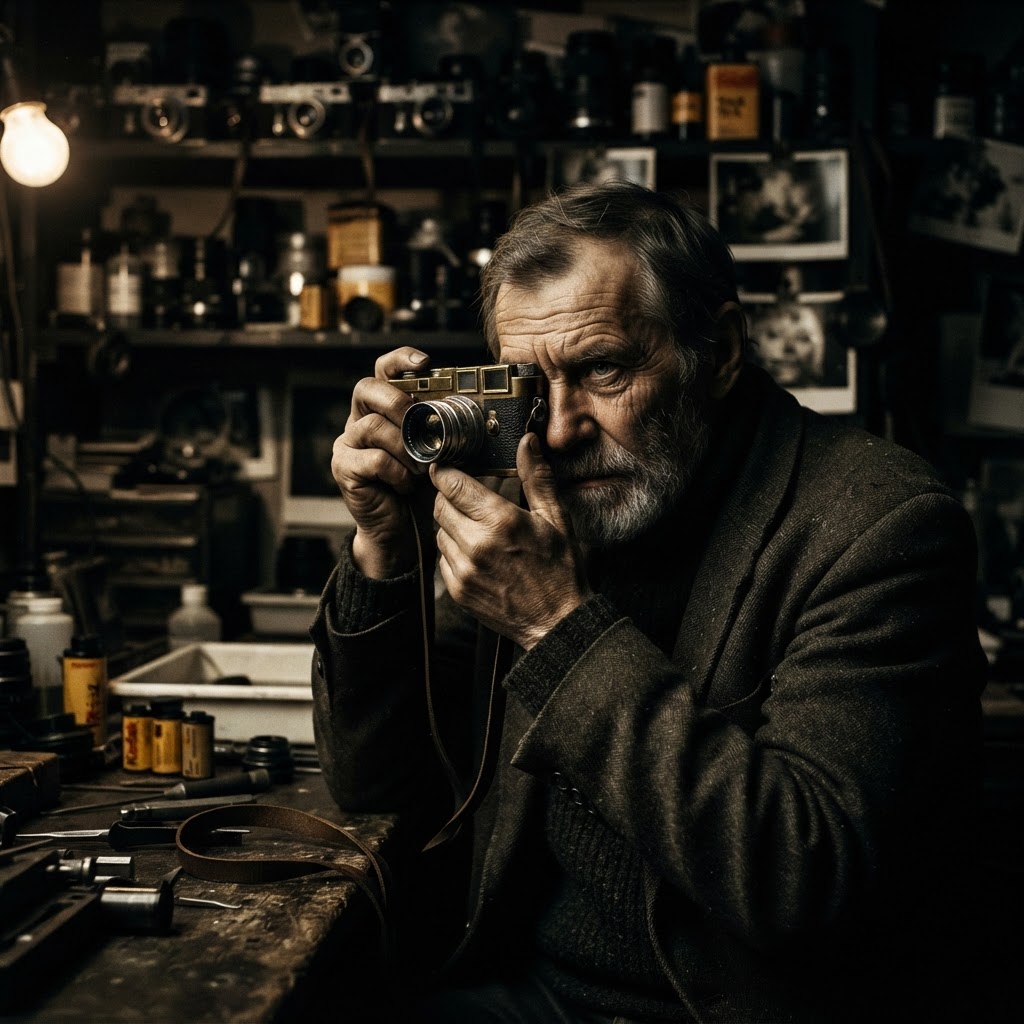
McCullin’s ascent was not academic. He was a working-class lad who bought a Rolleicord camera with his first paycheck, initially documenting his local 'Guvnors'—a notorious street gang. His big break came in 1959 when he captured a grainy, haunting image of that gang, which landed on the front page of The Observer. It was an uncanny start, showcasing an eye that could find structural beauty in the most fractured of social environments. His transition from street photography to war photography was almost gravitational; he felt compelled to go where the world was tearing itself apart.
The Aesthetic of Agony
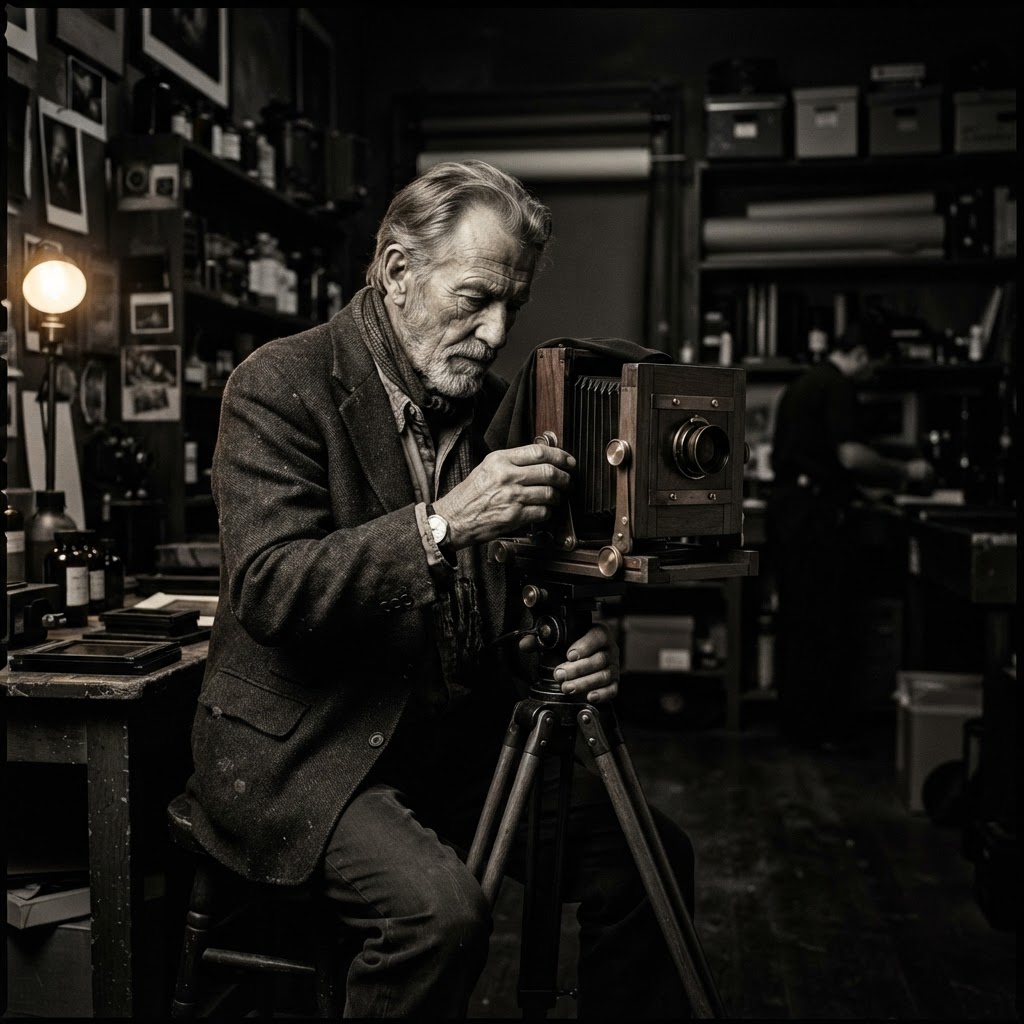
McCullin’s technique was built on a foundation of profound intimacy. He did not use long lenses that allowed for detached observation. He stepped into the fray. His work is characterized by:
- Deep, velvet blacks: His mastery of the darkroom allowed him to print images that felt bruised and heavy, emphasizing the isolation of his subjects.
- Proximity: He often shot at a range that required total vulnerability, placing him shoulder-to-shoulder with the wounded and the dying.
- The Absence of Heroics: Unlike many of his peers who sought to romanticize conflict, McCullin sought to expose its futility and the exhaustion that lingers in the eyes of the combatant and the civilian alike.
His most iconic image—the 1968 portrait of a shell-shocked American marine in Hue, Vietnam—stands as a totem of modern trauma. The marine stares into nothingness, his face a landscape of static terror. It is not an image of action, but an image of the interior collapse that war leaves behind.
The photographer is the last person to be able to tell you what they saw. You see it, but you don't really comprehend it until you see the print.
A Conscience Under Pressure
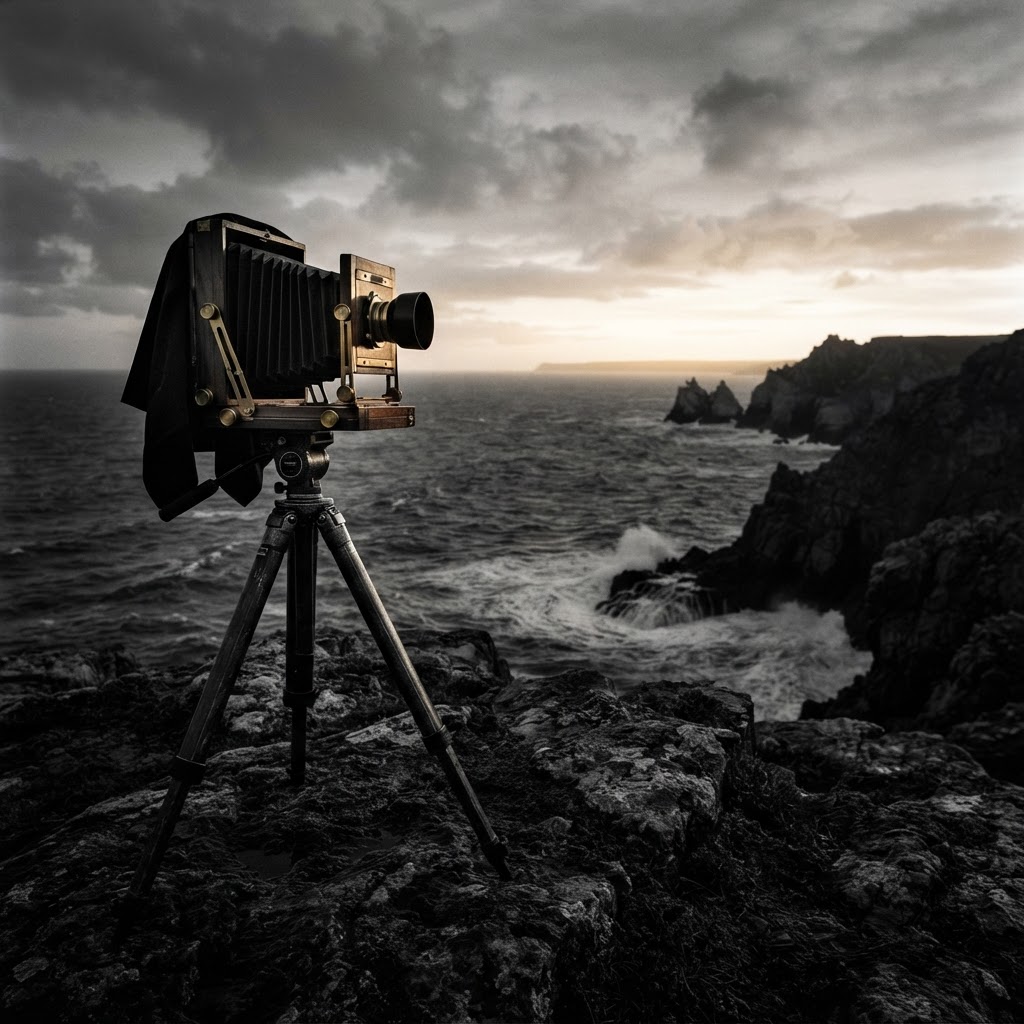
Beyond the jungles of Vietnam, his lens tracked the starving in Biafra, the sectarian strife in Northern Ireland, and the urban decay of post-industrial England. He was a man burdened by the images he captured. McCullin often spoke of the 'curse' of his profession—the inability to unsee the things he had witnessed. His later work transitioned into landscape photography, where the rolling hills of Somerset became his sanctuary. It was as if, after documenting the destruction of humanity, he needed to seek out the quiet, enduring permanence of the earth itself.
The Lasting Impact
Don McCullin remains a towering figure not because of the fame he achieved, but because of the integrity he maintained. In an era where images are manipulated and sanitized, his work serves as a harsh, necessary corrective. He taught us that photography is an act of empathy. He didn’t just photograph people; he held their dignity in his hands. Today, his portfolio serves as a permanent record of the human cost of geopolitics. To study his work is to recognize that the camera is not just a tool for documentation, but an instrument of truth—a way of saying, 'This happened. We were here. We cannot look away.'