The Quantum of Light: Unveiling the Etymology and Physics of ISO
The Standardization of Silence
In the quiet corners of our studio here at Salt Media, we often talk about light as if it were a physical weight—something to be measured, balanced, and captured. Among the most misunderstood of our tools is the ISO setting. To the novice, it is merely a knob to turn when the room grows dark. To the master, it is the bridge between the physical chemistry of the past and the silicon logic of the present. Before we can master the light, we must understand the language that governs it.
Etymology and the Industrial Roots
The term ISO is not an acronym in the way we typically think of labels like JPEG or RAW. It is derived from the Greek word isos, meaning equal. When the International Organization for Standardization—based in Geneva—sought to create a universal language for sensitivity, they chose a name that prioritized parity over description. Founded in 1947, the ISO sought to harmonize the disparate ways manufacturers measured light sensitivity. Before this, we were trapped in a chaotic architecture of H&D (Hurter and Driffield) numbers, DIN (Deutsches Institut für Normung) ratings, and Weston speeds. By adopting the Greek root for equality, the world finally agreed that light sensitivity could be quantified, shared, and replicated regardless of the film emulsion used.
The Historical Transition: From Silver to Silicon
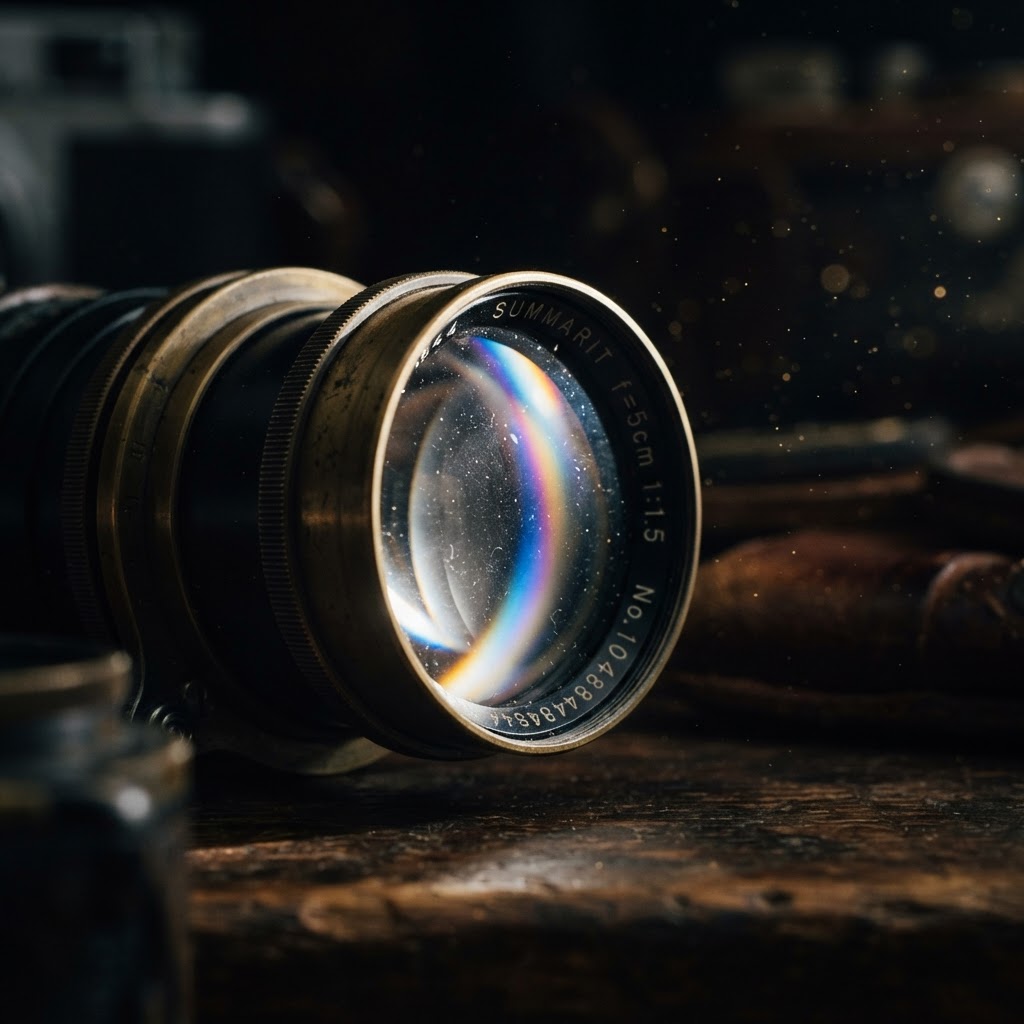
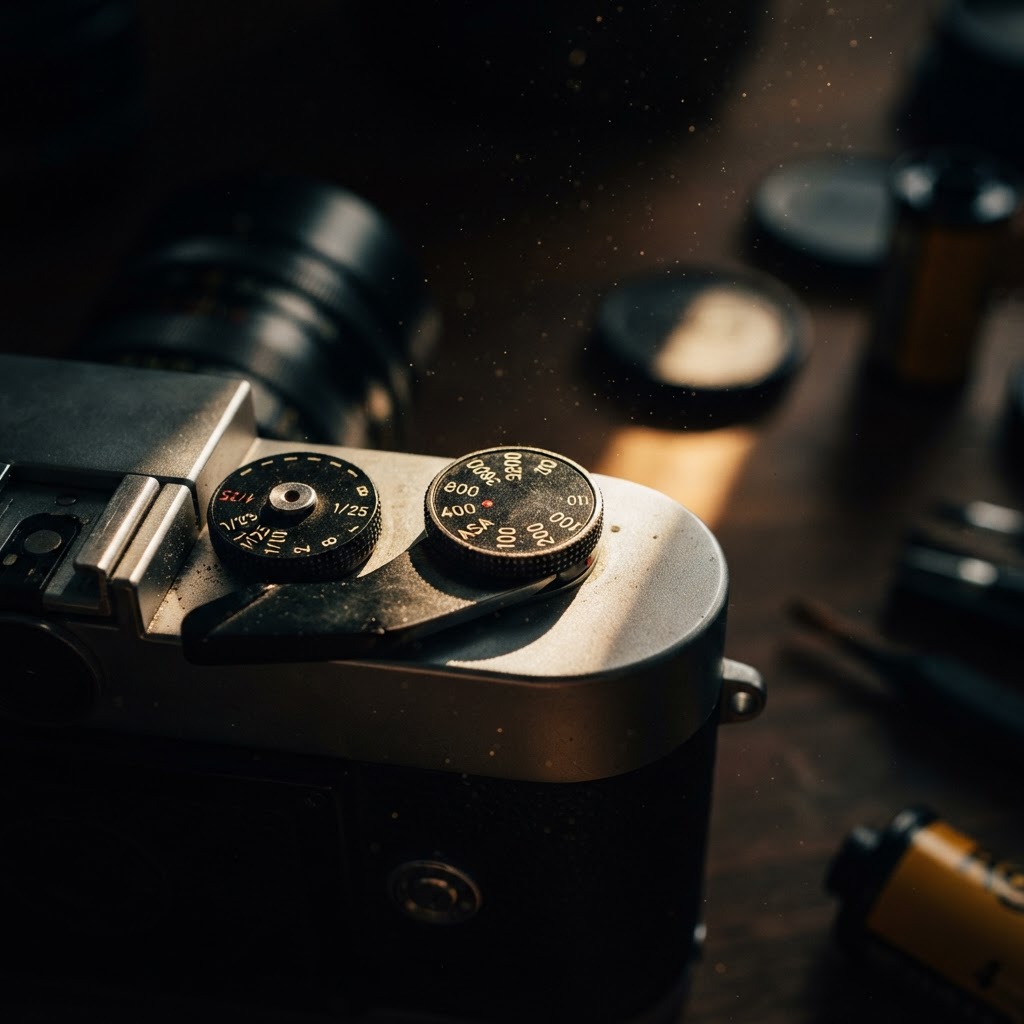
In the age of film, sensitivity was a physical reality determined by the size of silver halide crystals embedded in the celluloid. Larger crystals meant more surface area to trap photons, leading to higher sensitivity—what we called 'fast' film. However, this came at the cost of grain, the physical texture of the image. The transition to digital sensors required us to redefine sensitivity. In a digital camera, ISO refers to the gain applied to the signal coming off the photosites. It is the amplification of the electrical current. We are no longer capturing light on physical silver; we are interpreting the voltage generated by electrons hitting a sensor. Yet, the industry kept the term ISO to maintain a sense of continuity, a tether to the chemical history of the craft.
The Technical Mechanics: Signal, Noise, and the Sensor
When you boost your ISO, you are essentially turning up the volume on a radio signal. At low levels, the signal is pure and clear. As you increase the gain, you begin to amplify the background interference, which we recognize as digital noise. This noise is the shadow-side of the photographic equation. It is the price we pay for the freedom to shoot in the twilight hours.
The beauty of photography lies in the discipline of the sensor. Mastering ISO is not just about capturing the shot; it is about knowing how much 'gain' your vision can tolerate before the image loses its integrity.
Why It Matters for the Artist
Understanding that ISO is a measure of amplification changes how you approach the scene. It forces you to view your camera as a diagnostic tool. If you know your sensor's 'native' ISO—the baseline where no artificial gain is applied—you can push the boundaries of image quality. This is the difference between a snapshot and a deliberate, high-fidelity capture. At Photography in the Raw, we teach that every adjustment of the ISO dial is a conscious negotiation with reality. Do you sacrifice detail for the sake of speed? Or do you anchor your tripod and hold the light steady?
The Future of Sensitivity
As sensor technology advances with backside-illuminated (BSI) architecture and dual-gain stages, the traditional constraints of ISO are shifting. We are entering an era where high sensitivity no longer necessitates the 'gritty' look of traditional film stocks. Yet, the foundational concept remains: ISO is the bridge between the scene and the sensor. It is the mathematical interpretation of how much light our cameras need to see what we see. As you venture out into the world, whether in the bright glare of noon or the hushed velvet of midnight, remember that you are not just setting a number—you are balancing the very scale of perception.