The Art of the Dimming Light: Uncovering the History of the Vignette
The Etymology of the Shadowed Edge
In the quiet corners of our studio here at Salt Media, we often discuss the 'grammar' of an image. Among the most misunderstood elements of this visual language is the vignette. Long before it was a slider in Lightroom or a preset in a mobile app, the term possessed a delicate, botanical heritage. The word vignette finds its roots in the French vigne, or vine. Originally, it referred to the ornate, leafy flourishes found in the margins of medieval manuscripts—decorative brambles of ink that framed the sacred text. By the 18th century, the term migrated to book design, describing an illustration that lacks a defined border, fading softly into the surrounding page. When photography emerged, it was only natural that this concept of 'softly dissolving edges' would find a new home in the lens.
The Optical Accident and the Artistic Choice
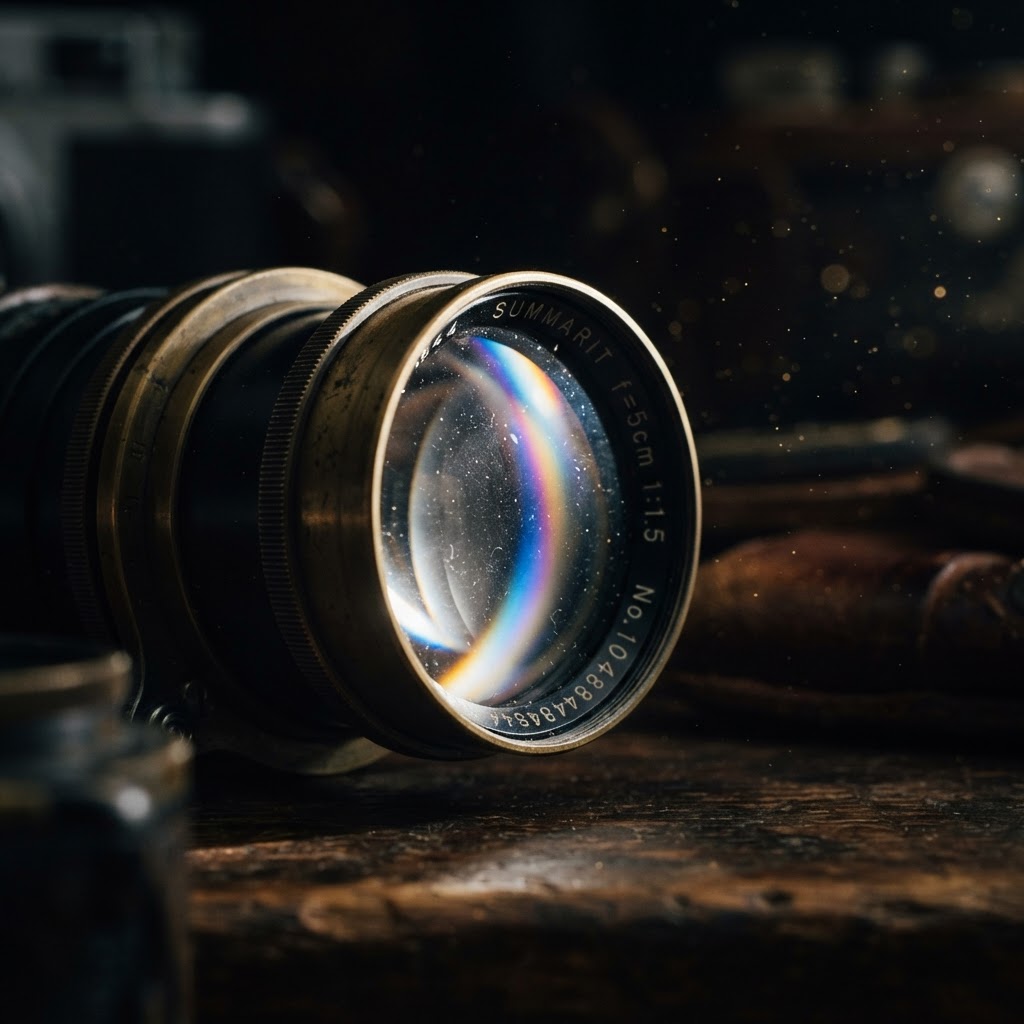
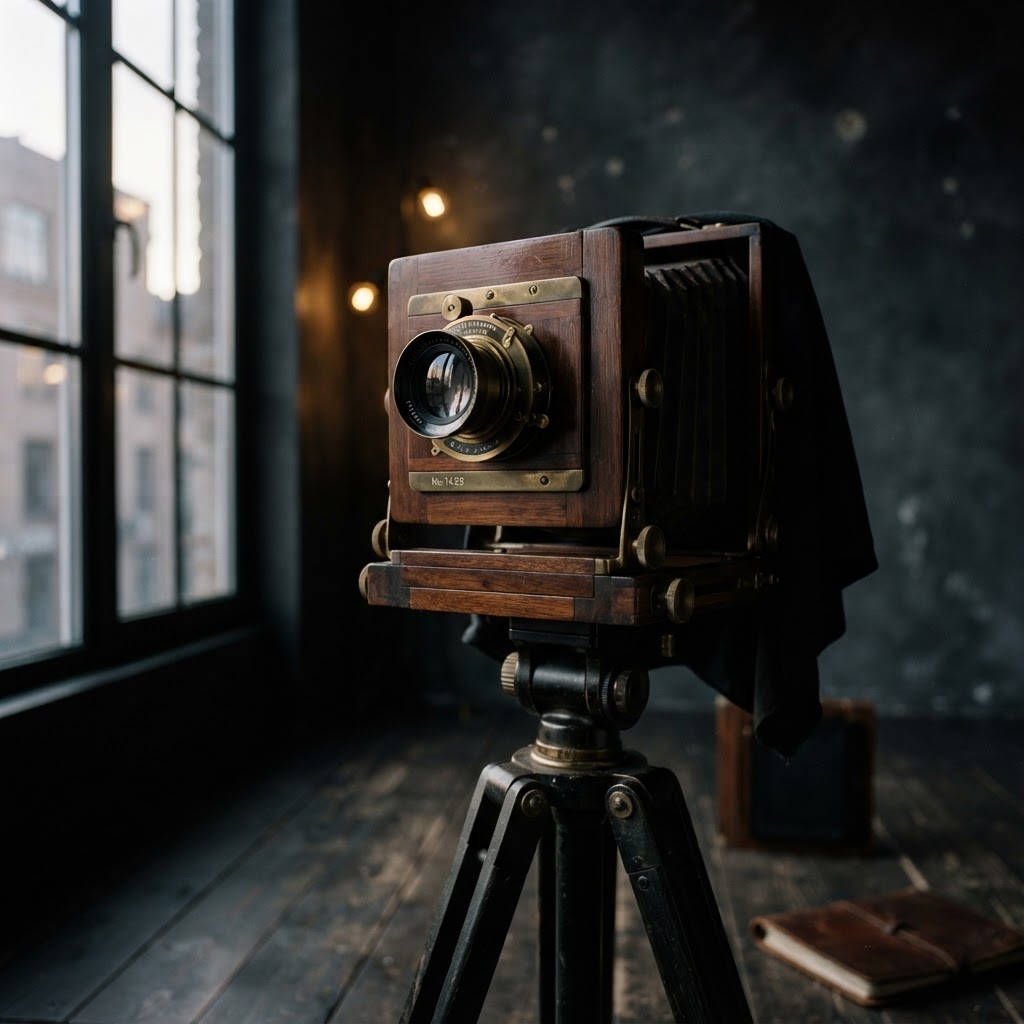
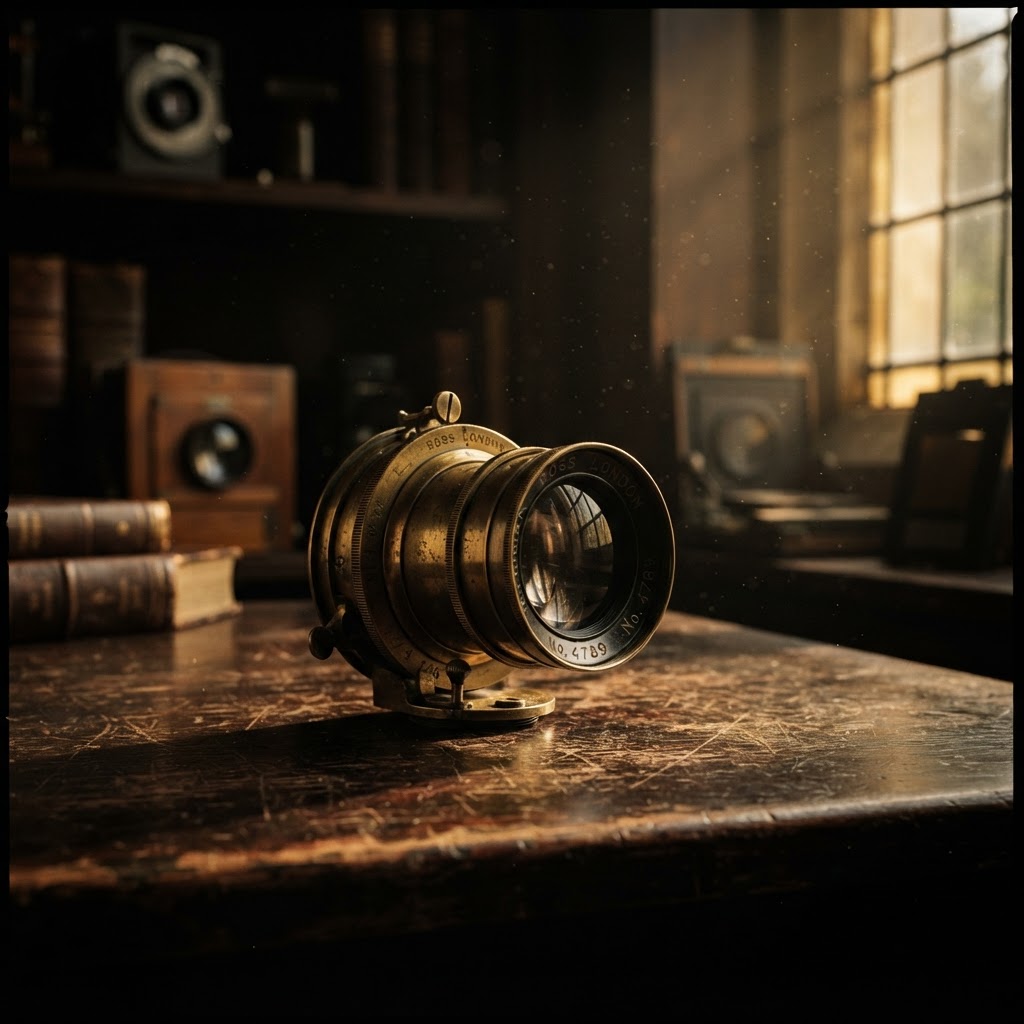
Technically, the vignette is often an unintended consequence of optical physics. It is the natural result of light fall-off, where the image circle of a lens fails to perfectly illuminate the sensor or film plane with uniform intensity, or where a physical obstruction—such as a lens hood or a thick filter—interferes with the angle of incident light. In the infancy of the medium, this was seen as a defect, a failure of glass to maintain its consistency across the frame. However, portrait photographers of the 19th century—those working with heavy glass plates and rudimentary bellows—soon discovered that this 'defect' possessed an uncanny ability to guide the viewer’s eye.
The eye is a restless traveler; it seeks the brightest point of an image as a sailor seeks a lighthouse. By darkening the periphery, we effectively build a soft, invisible cage around our subject.
By using elaborate masks or manipulating their lighting during printing, masters of the Victorian era deliberately introduced vignetting to simulate the effect of a focused gaze. It served as a psychological frame, concentrating the viewer’s attention on the human face, the only part of the image that truly mattered in an era defined by the formal portrait.
The Evolution into Modern Aesthetics
As optics improved throughout the 20th century, engineers fought the vignette with complex glass elements and anti-reflective coatings. We entered an era of clinical sharpness, where the goal was an even distribution of light from corner to corner. Yet, the pendulum always swings back. Photographers like those who emerged from the mid-century street traditions found that the 'perfect' lens often produced an image that felt too detached, too sterile. The vignette began to see a resurgence as a tool for creating intimacy. It became a way to mimic the natural limitations of the human eye, which, after all, does not see in a perfectly flat, uniform rectangle of light.
The Psychology of the Darkened Border
Why does the human brain respond so positively to a vignette? There is a primal element at play. We are evolutionary creatures who feel most secure in the light and most guarded about the shadows. When we darken the edges of a photograph, we replicate the experience of looking through a window or a doorway. We create a sense of 'peering in.' This subtle darkening provides a visual rest for the eyes; it prevents the gaze from wandering off the frame and helps create a sense of closure, turning a transient moment into a self-contained world.
- Natural Vignetting: Often caused by physics, specifically the cosine-fourth law, where light intensity drops as it hits the edges of the sensor at an angle.
- Mechanical Vignetting: The result of physical obstacles, such as stacked filters or a hood meant for a different focal length.
- Creative Vignetting: The deliberate post-production or in-camera darkening used to isolate a subject and heighten emotional impact.
Mastering the Narrative of Light
At Photography in the Raw, I urge my students to treat the vignette not as a 'fix' for a boring edge, but as a narrative tool. If your frame is too cluttered, a slight darkening of the corners can subtract the noise and let the silence of the composition speak. However, remember the golden rule: the best vignette is the one the viewer never consciously notices. It should be a whisper, not a shout. When the effect becomes heavy-handed—a dark, muddy halo—it distracts from the subject. Keep your transitions smooth, your opacities low, and your focus firmly on the story you are telling through the light.