The Negative: Exploring the Inverted Soul of Photography
The Anatomy of an Inversion
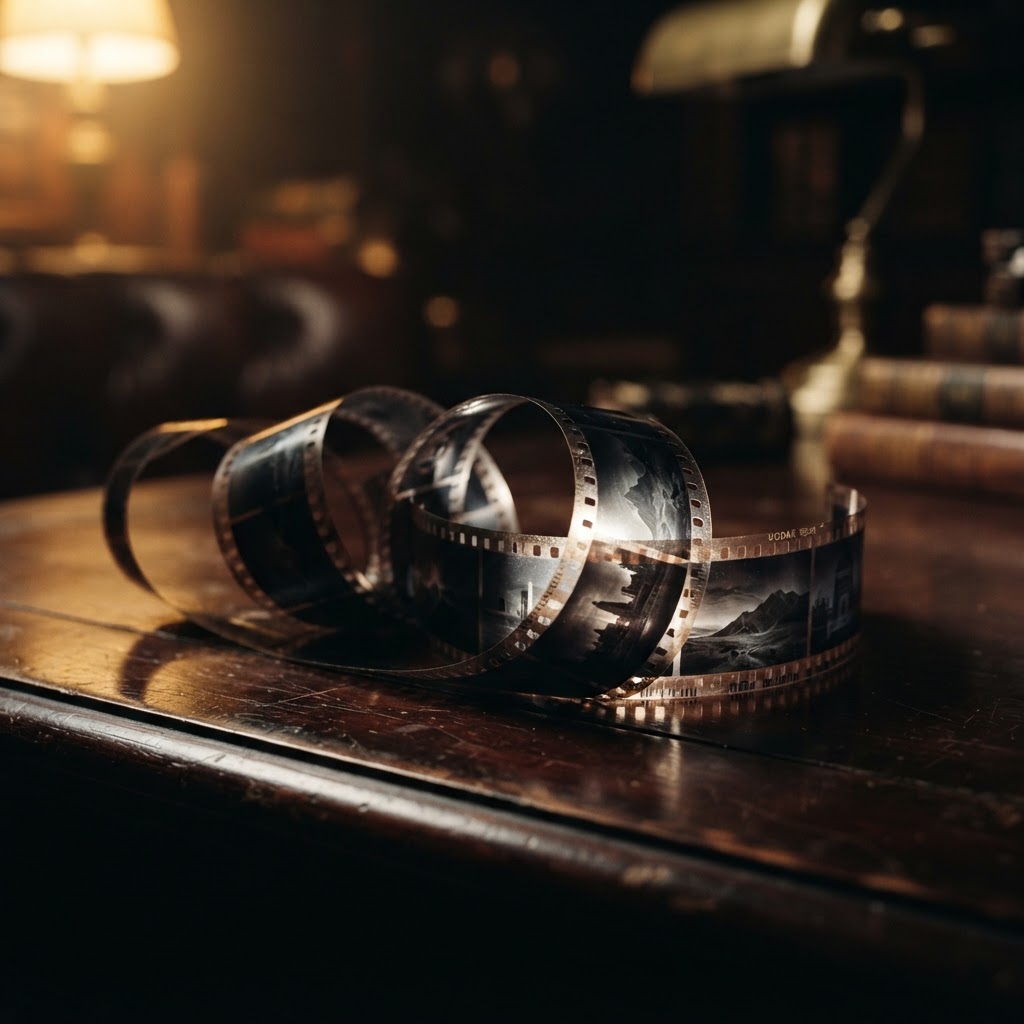
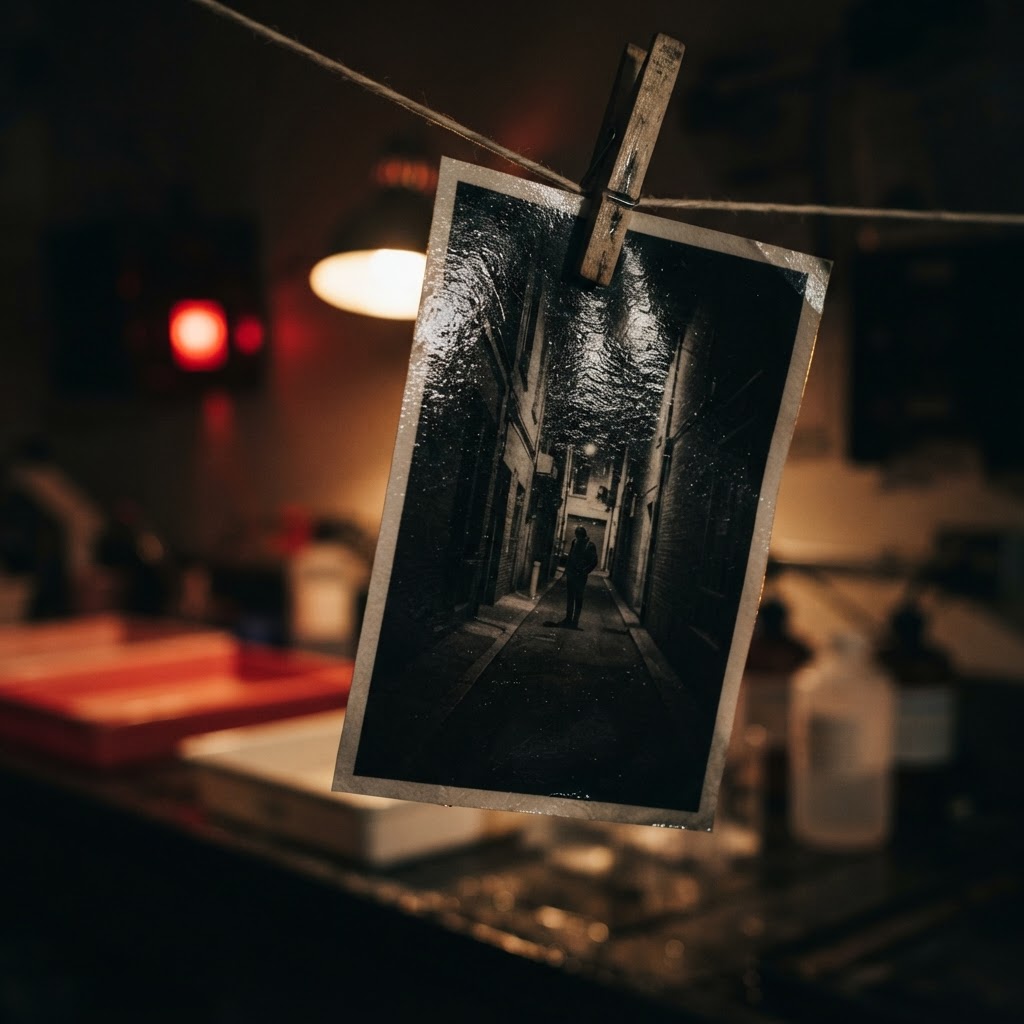
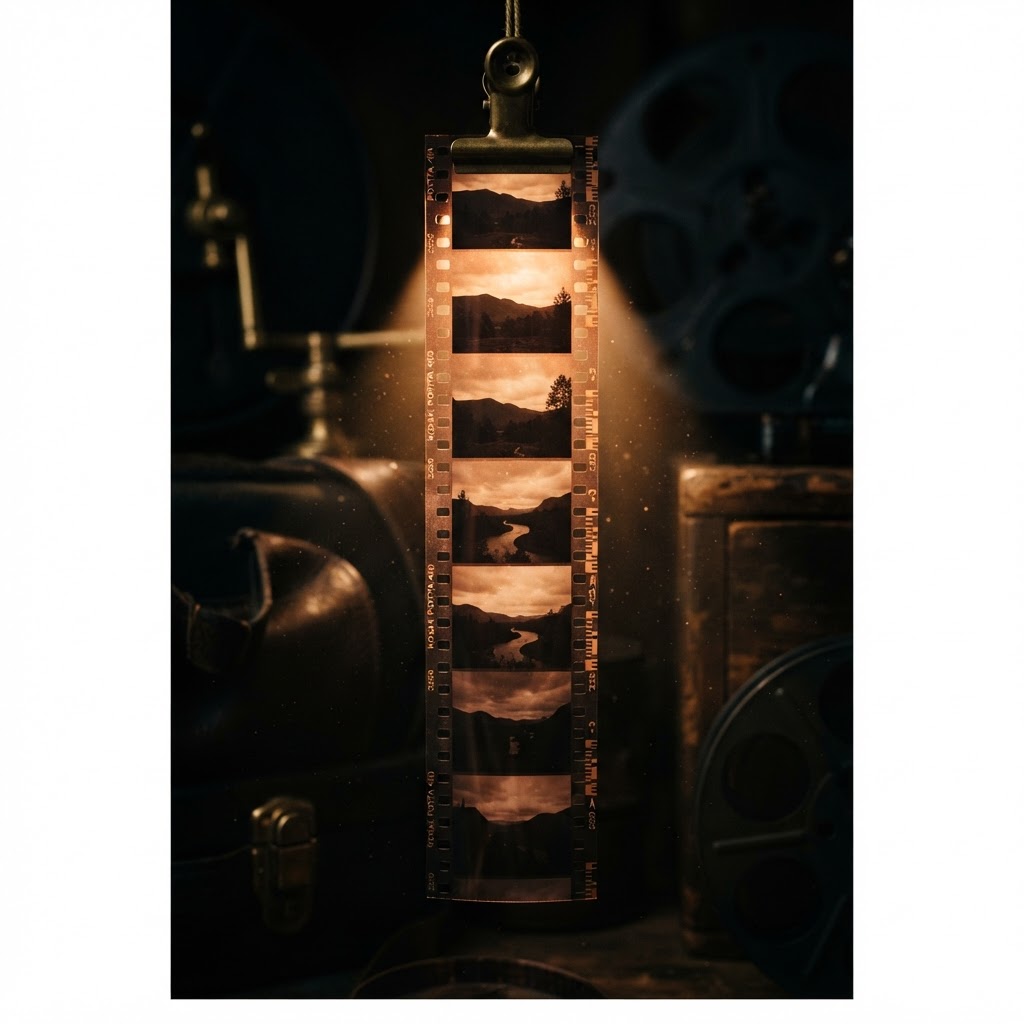
In the quiet sanctity of my darkroom at Salt Media Studios, there is a singular moment of magic that never loses its luster. It is the instant when a latent image begins to materialize on a piece of film, revealing a world where light is shadow and shadow is light. We call this the negative. While the digital age has largely bypassed the physical tactile experience of the strip of acetate, the concept of the negative remains the fundamental DNA of photographic vision.
Etymology and the Scientific Shift
The term 'negative' finds its roots in the Latin negativus, denoting a denial or a reversal. In the infancy of the medium, the challenge was not merely capturing light, but finding a way to reproduce it. Early experimenters like William Henry Fox Talbot recognized that to create a positive image—one that reflected the natural luminosity of the world—one first had to establish an inverted 'matrix.' The negative was, quite literally, a denial of the original scene, a mathematical inversion of tonal values that acted as the bridge to reality.
A Historical Collision
Before the negative became a standard, the world of image-making was dominated by the unique, non-reproducible daguerreotype. Because the daguerreotype was a singular metallic plate, it had no 'negative.' It was a dead end in the timeline of mass communication. The true revolution began when we realized that by creating a translucent master—the negative—we could use contact printing to generate infinite iterations. This transition shifted photography from a rare curiosity into a language of mass culture. It allowed the photographer to become a duplicator of truth, spreading a single perspective to the edges of the world.
The Technical Mechanics of Inversion
At its core, the photographic negative is an exercise in chemical reaction and silver halide sensitivity. When exposed to light, the silver crystals in the film emulsion are altered. Upon development, these particles turn into metallic silver, creating a dense, opaque barrier where the original light was brightest. The highlights of your scene become the darkest parts of the negative, and the deep shadows become transparent, allowing light to pass through during the printing process. This is the Reciprocity of Tone. Understanding this relationship is the mark of a master printer; it is the ability to 'read' the density of a negative before it ever touches a sheet of photo paper.
The negative is the raw emotional record of the light; it is the truth, albeit written in a cipher that only those who study the craft can truly decode.
Why the Negative Still Matters
Some might argue that in an era of sensors and pixels, the negative is an artifact. I would argue that it is a necessity for the student of light. When you shoot film, you are not merely capturing a subject; you are creating a permanent, physical record that cannot be corrupted by metadata or firmware. The negative forces a discipline that digital photography often ignores. It teaches us to visualize the final print within the inversion, to understand the grain as the texture of time, and to respect the permanence of the exposure. It is a slow, meditative process that demands precision.
Mastering the Matrix
To master the negative is to master the exposure triangle itself. Whether you are working with 35mm, medium format, or large-format sheets, the negative is the ultimate judge of your technical competence. It demands that you think about your shadows—the 'black' on your negative—and ensure they have the necessary detail to produce a full-bodied print. If you find your highlights blown out, you have lost the integrity of the negative. It is the gatekeeper of your artistic intent.
As we continue our journey here at Photography in the Raw, let us not view the negative as a relic. View it as the foundation. Whether you are scanning them into a digital workflow or developing them in a chemical bath, remember that you are working with an inverted reality—one that waits for your vision to bring it into the light.