The Inverted World: Understanding the Photographic Negative
The Anatomy of Reversal
In the vast canon of photography, few concepts are as fundamental yet as counter-intuitive as the negative. To the modern digital practitioner, the term often feels like a relic of a bygone chemistry-heavy era. However, the negative is not merely a piece of film or a historical curiosity; it is the conceptual bedrock upon which the medium of photography was built. It is the bridge between the transient physical reality of light and the permanent, reproducible image that defines our collective history.
Etymology and the Philosophy of the Opposite
The term 'negative' finds its roots in the Latin negativus, implying a denial or a reversal. In the mid-19th century, when pioneers like William Henry Fox Talbot began experimenting with light-sensitive paper, they needed a linguistic anchor for a phenomenon that defied traditional artistic representation. Where a painter adds pigments to mimic the brightness of the sun, the early photographer was forced to record the world in a state of ontological inversion: light became dark, and shadow became bright.
This linguistic choice—to call this record a 'negative'—was profound. It signaled that the photographic print was not the primary reality, but rather the result of a secondary process. The negative became the 'truth' stored in potential energy, a reservoir of information waiting for the transformative power of light to be projected through it and onto a positive medium.
The Birth of the Inverted Image
Before the mid-1830s, images were unique, fleeting, or manual creations. The development of the negative process allowed for the democratization of the image. By creating a template that could be used repeatedly, photography moved from a singular, expensive luxury to a medium of mass communication. This wasn't just a technical achievement; it was an act of philosophical defiance. It challenged the notion that an original artwork was the only valid manifestation of an idea.
The transition from the 'direct positive' processes of early Daguerreotypy to the 'negative-positive' process was the true industrial revolution of the arts. It allowed photographers to capture a moment once and replicate it indefinitely. This shifted the photographer's role from that of a craftsman making a solitary mirror-image to that of a director orchestrating a repeatable visual narrative.
The Science of the Inversion
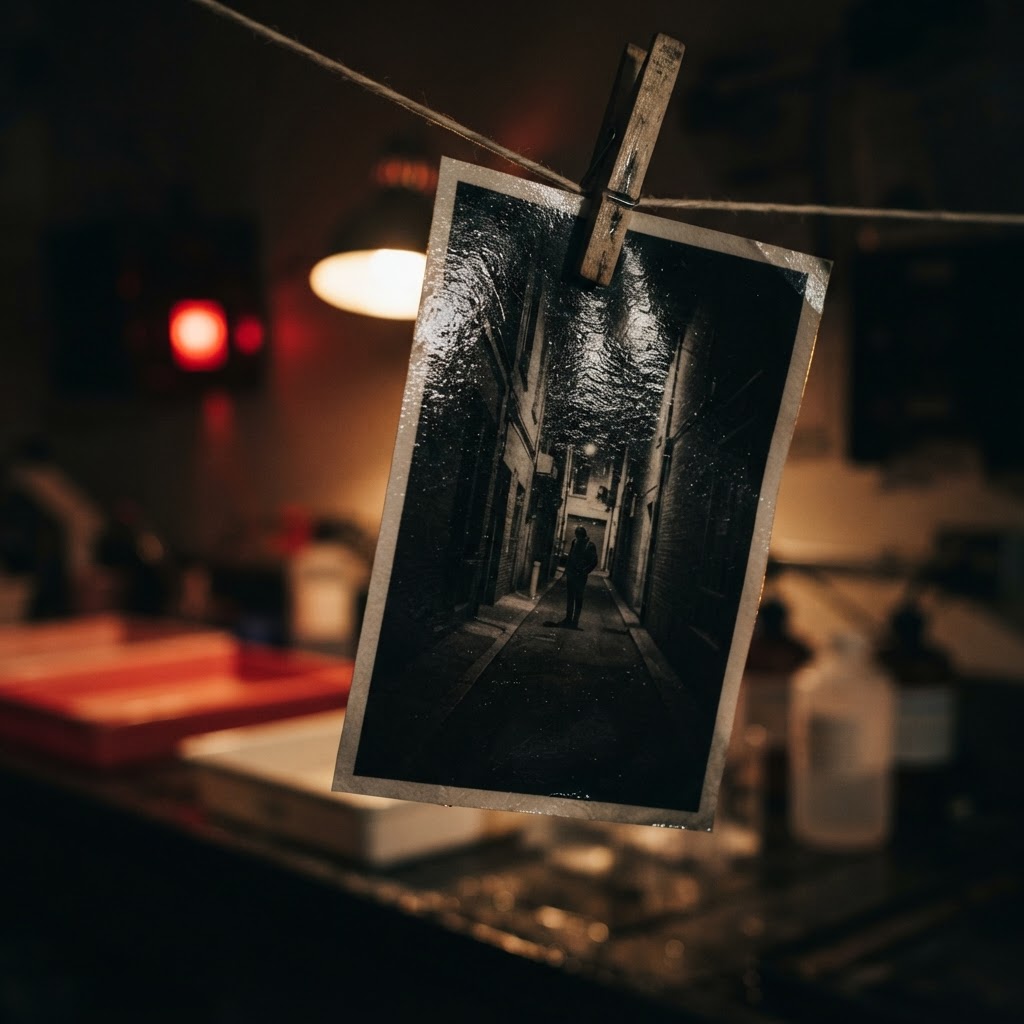
At its core, the negative functions through the interaction of light with silver halide crystals suspended in an emulsion. When light hits these crystals, it creates a 'latent image' that is invisible to the human eye. The developing process then amplifies this image, reducing the silver to metallic, opaque particles. Areas of the subject that were brightest reflect the most light onto the film, resulting in a high density of silver—effectively blocking light during the printing process.
This is the crux of the negative’s utility: it is a filter. By controlling the density of the silver in the negative, the photographer gains absolute mastery over the tonal range of the final print. The negative serves as a data-dense archive, holding far more information in the highlights and shadows than the human eye can perceive, providing a palette for the printer to manipulate via dodging and burning.
The Evolution of the Form
- Paper Negatives: The earliest, textured, and ethereal records of light.
- Glass Plate Negatives: The shift toward unprecedented sharpness and structural stability.
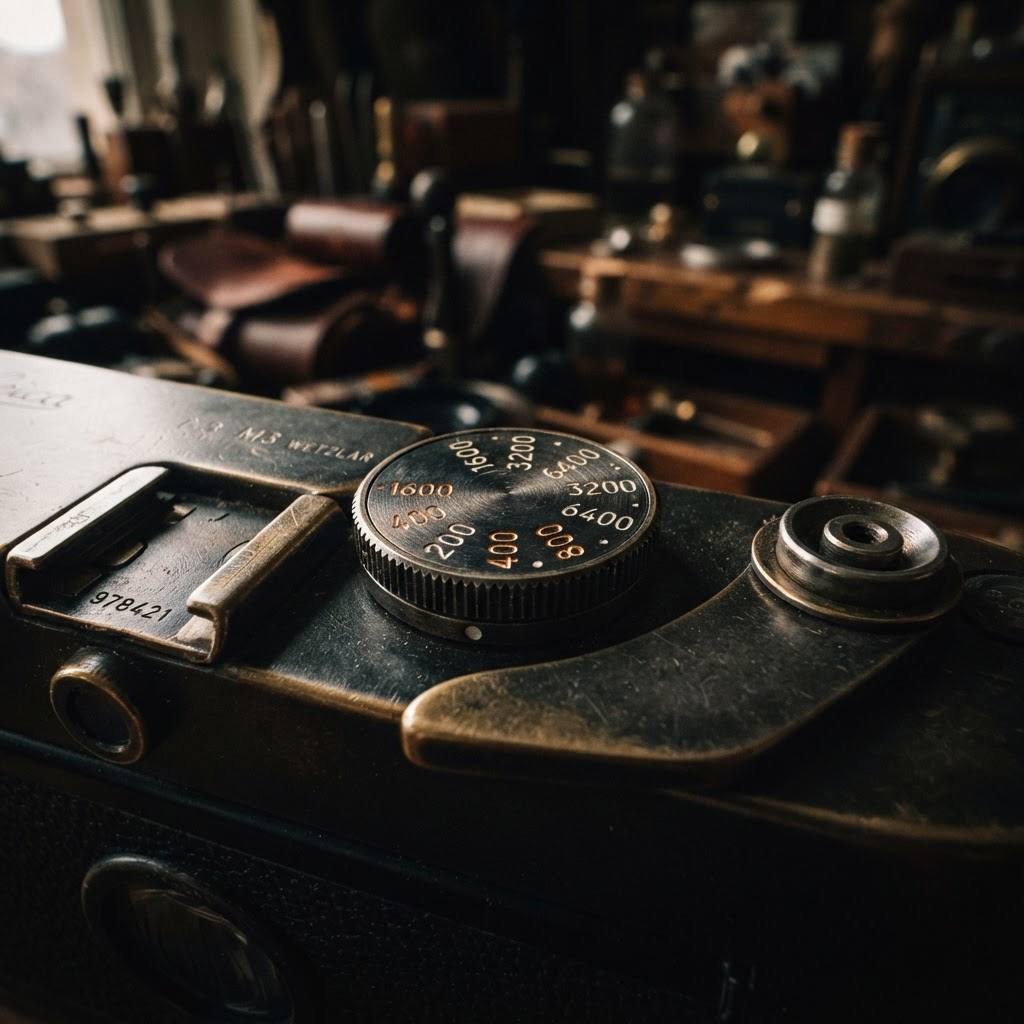
- Celluloid Film: The flexible revolution that enabled the portability of the Leica and the 35mm format.
Each iteration of the negative moved us closer to an ideal of transparency. As the film base became thinner and the grain finer, the negative ceased to be an obstacle to detail and became a transparent window into reality. Yet, even as we move into the era of digital sensors, the logic of the negative persists. Our RAW files are essentially 'digital negatives'—unprocessed data that requires the interpretative hand of the photographer to move from a state of raw potential to a finished, positive vision.
A Final Reflection
To look at a negative is to engage in a mental exercise of decoding. It forces us to see the world not as it is, but as a map of its own luminosity. For the student of Photography in the Raw, understanding the negative is essential. It reminds us that our primary job is not just to 'take' pictures, but to manage the quality of light as it passes through time. Whether on acetate or silicon, the negative remains the heartbeat of the craft, a silent guardian of the truth captured in shadow.