Sally Mann: The Poetic Alchemy of Memory and Mortality
The Architect of Southern Memory
Few photographers have managed to command the raw, visceral intersection of biography and geography with the authority of Sally Mann. Born in Lexington, Virginia, a landscape that would become both her muse and her canvas, Mann has spent her career wrestling with the specters of history, family, and the inevitable decay that defines our mortal coil. Her work does not merely record; it excavates the subconscious, pulling forth images that feel less like captured light and more like inherited memories.
The Intimacy of the Ordinary
Mann’s early ascent to prominence was marked by her controversial and unflinchingly candid series, Immediate Family. In these images, she captured her children in states of vulnerability and play—moments that were simultaneously idyllic and unnervingly dark. Critics often misconstrued these photographs as exploitative, failing to recognize them as a genuine exploration of childhood's primitive, untamed nature. Mann was not documenting a nursery; she was documenting the fierce, unvarnished truth of being human before the world imposes its rigid structures upon the spirit.
The Resurrection of the Wet Plate
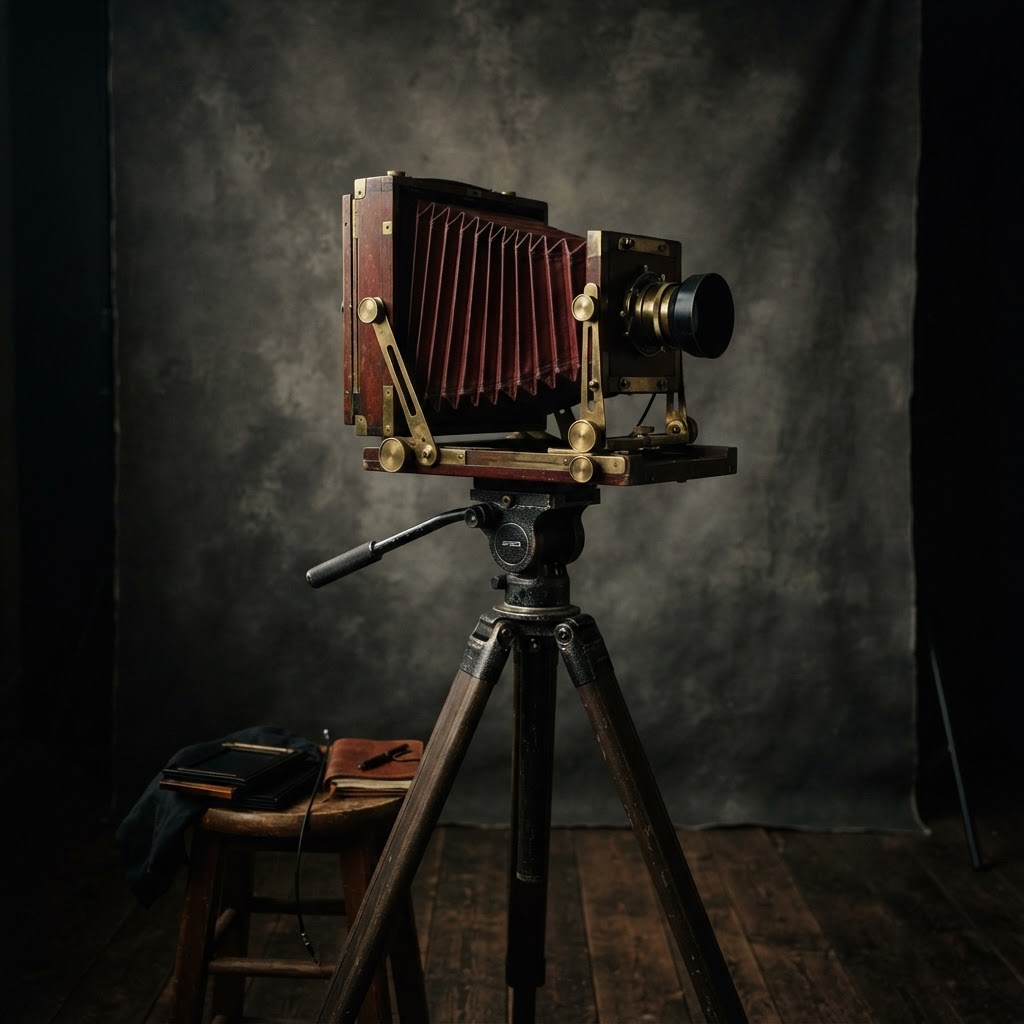
Perhaps Mann’s greatest contribution to the photographic lexicon is her masterful return to the 19th-century wet-plate collodion process. In an era dominated by the surgical precision of digital sensors, she chose the erratic, tactile unpredictability of glass negatives. She embraced the flaws—the streaks, the bubbles, and the chemical halos—that naturally occur in this archaic process. These imperfections are not errors to be corrected; they are the artifacts of time itself, mirroring the themes of death and spiritual presence that permeate her later work, such as Deep South and What Remains.
The past is never dead. It is not even past. - William Faulkner
This sentiment, famously penned by her fellow Southerner, serves as the thematic backbone for Mann’s entire portfolio. Whether she is focusing on the sprawling, haunted battlefields of the Civil War or the intimate portraits of her husband’s struggle with muscular dystrophy, she treats her subjects with a heavy, meditative focus. She understands that the landscape is a repository of trauma and beauty, and her camera is the tool with which she peels back the layers of earth and skin to see what lies beneath.
A Legacy of Unflinching Vision
Why does Sally Mann matter today? In a digital landscape saturated with the ephemeral, where images are consumed in a flicker, her work demands that we stop. She forces us to confront the 'unheimlich'—the uncanny—where the familiar becomes strange, and the beautiful becomes grotesque. Her mastery lies in her ability to marry the technical fragility of the plate to the enduring weight of her subject matter.
- Technical Mastery: Her dedication to large-format cameras and handmade chemical processes challenges the contemporary urge for convenience over craft.
- Thematic Depth: She consistently pushes boundaries, moving from domestic interiority to the vast, historical exterior of the American South.
- Emotional Honesty: Mann does not shy away from the darker facets of life, including illness, loss, and the inherent loneliness of the human condition.
For the aspiring photographer, Mann serves as a reminder that the camera is not a recording device, but an instrument of philosophy. She taught us that to capture reality is not enough; one must capture the history, the pain, and the spectral beauty that reside in the gaps between the frames. As long as there are shadows in the corners of our homes and histories buried beneath our soil, Sally Mann’s work will remain a vital, guiding light.