The War on Reality: Robert Capa and the Birth of Combat Photography
The Lens as a Weapon of Truth
In the mid-1930s, the concept of a 'war photographer' was in its infancy, often relegated to static, staged portraits of generals and distant landscapes. That changed with the arrival of Endre Ernő Friedmann, known to the world as Robert Capa. Capa did not merely document war; he lived it, breathed it, and ultimately, died for it. As we explore his legacy at Photography in the Raw, we find that his work was less about military strategy and more about the raw, unfiltered human condition amidst the chaos of conflict.
The Proximity Principle
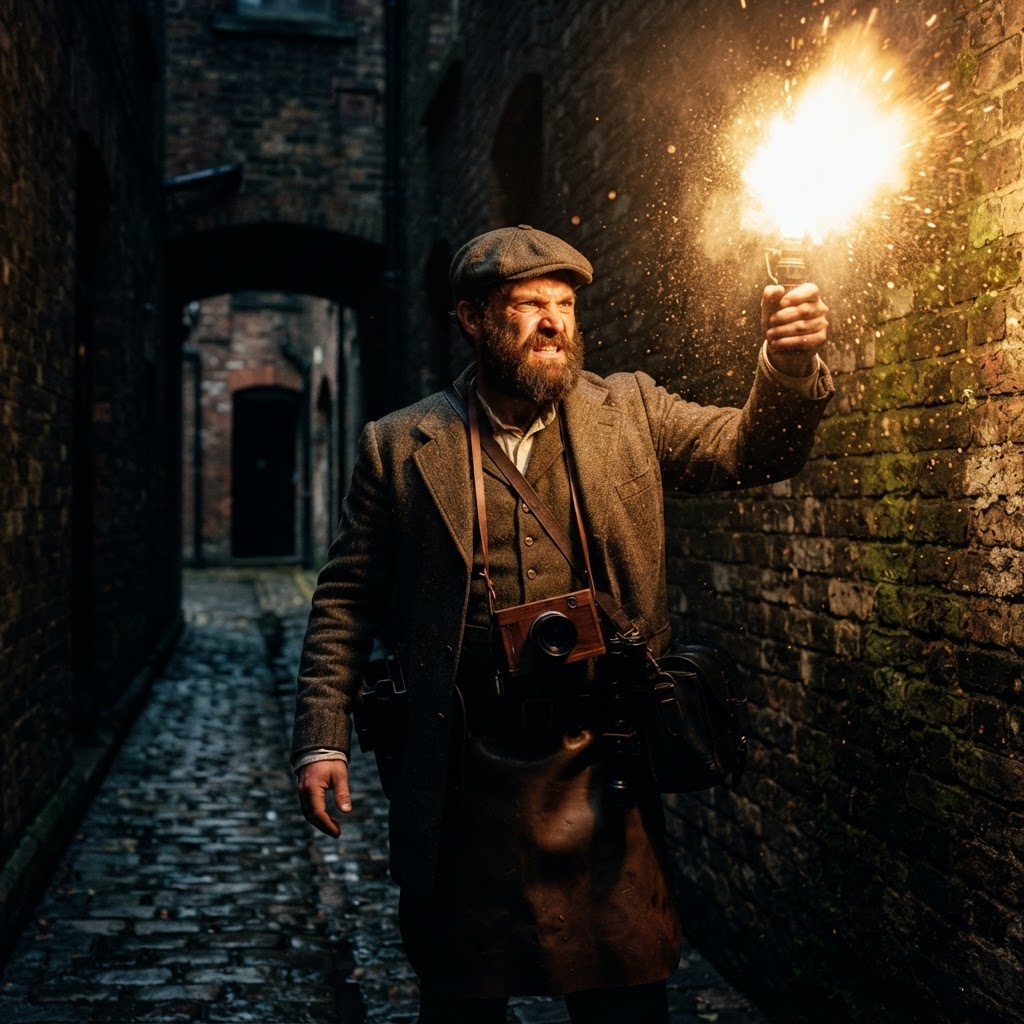
Capa's most famous axiom remains the north star for every aspiring photojournalist: 'If your pictures aren't good enough, you aren't close enough.' This was not merely a stylistic choice; it was a philosophical stance. To photograph the Spanish Civil War or the Normandy landings, Capa abandoned the safety of the rear guard to find the trembling hand, the hollow gaze, and the desperate sprint of soldiers under fire.
The truth is the best picture, the best propaganda. - Robert Capa
His work during the D-Day landings on Omaha Beach represents the pinnacle of this proximity. With only a handful of frames surviving the chaotic 'Magnificent Eleven'—the only images taken during the first wave of the invasion—Capa captured the terrifying, blurry reality of men struggling for their lives. The motion blur in these images is not a technical failure; it is the physical manifestation of fear and kinetic violence.
The Evolution of the Leica
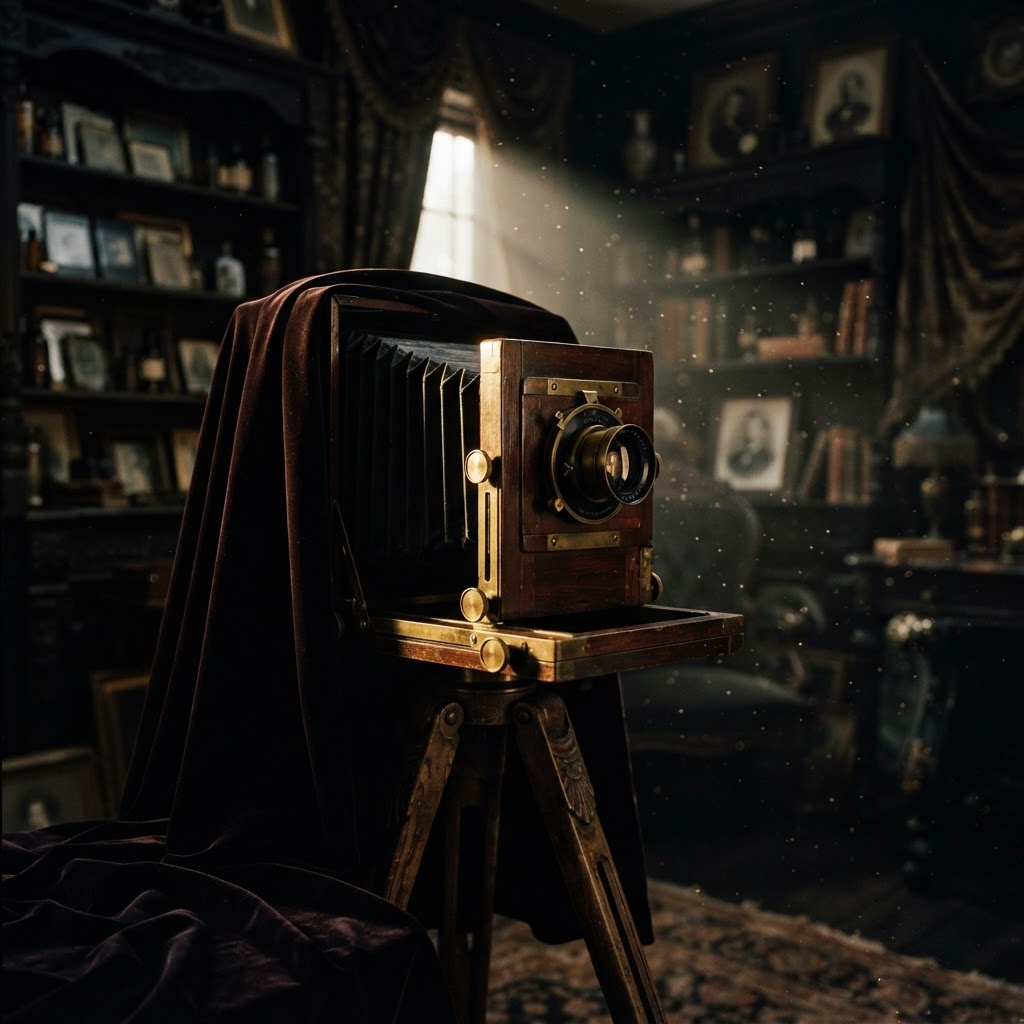
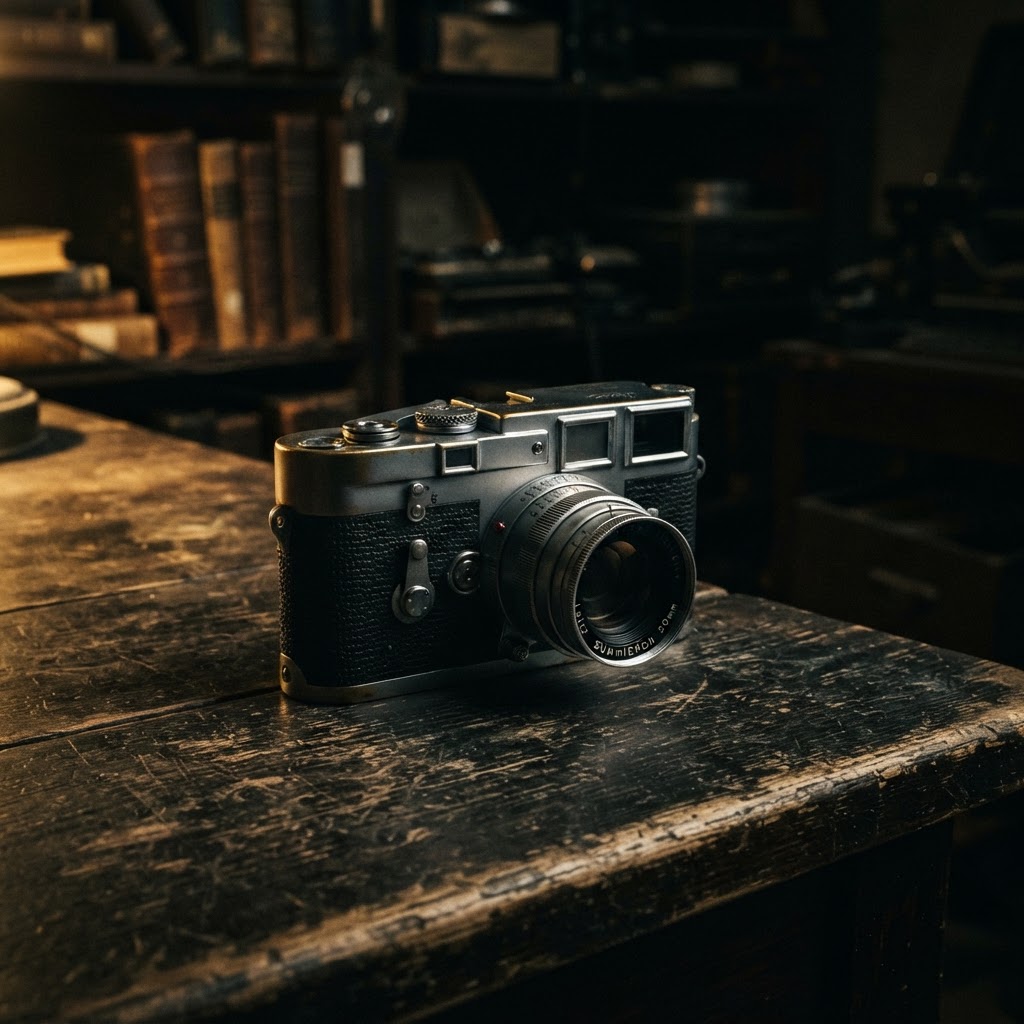
The technical revolution that allowed Capa to operate with such fluidity was the 35mm Leica. Unlike the bulky large-format cameras of the previous era, the Leica was discreet, fast, and allowed the photographer to move with the speed of an infantryman. This democratization of the image meant that the photographer was no longer an observer behind a tripod, but a participant in the frame.
- Speed: The ability to load roll film meant continuous shooting in high-stakes environments.
- Stealth: Small form factor allowed for candid captures before subjects became 'camera-aware.'
- Lens Choice: Often favoring the 50mm lens, Capa created a naturalistic perspective that mirrored the human eye.
A Legacy of Empathy
Capa's brilliance lay in his refusal to romanticize conflict. His photographs of the Spanish Civil War, particularly those depicting the moments of death, serve as a stark reminder that every bullet has a target and every war has a human cost. He taught us that the camera is not just a tool for capturing light, but a moral instrument. To shoot at the edge of survival requires a level of detachment that is simultaneously deeply compassionate. As we study his frames, we are reminded that photography is the most potent language we have for communicating the weight of our shared history.