Gregory Crewdson: The Cinematic Architect of the Suburban Uncanny
The Architect of the Unseen
In the vast canon of photography, most practitioners are observers, waiting for the world to reveal its truth. Gregory Crewdson is the inverse: he is a director, a builder, and an architect of reality. Born in 1962 in Brooklyn, Crewdson did not simply take pictures; he sculpted them, laboring over elaborate, film-set-scale productions that transform the mundane geography of the American Northeast into something profoundly unsettling. For those of us who study the nature of the image, Crewdson represents the pinnacle of the staged photograph—a reminder that a camera is not just a recording device, but an instrument of pure, unadulterated fiction.
The Suburban Psyche
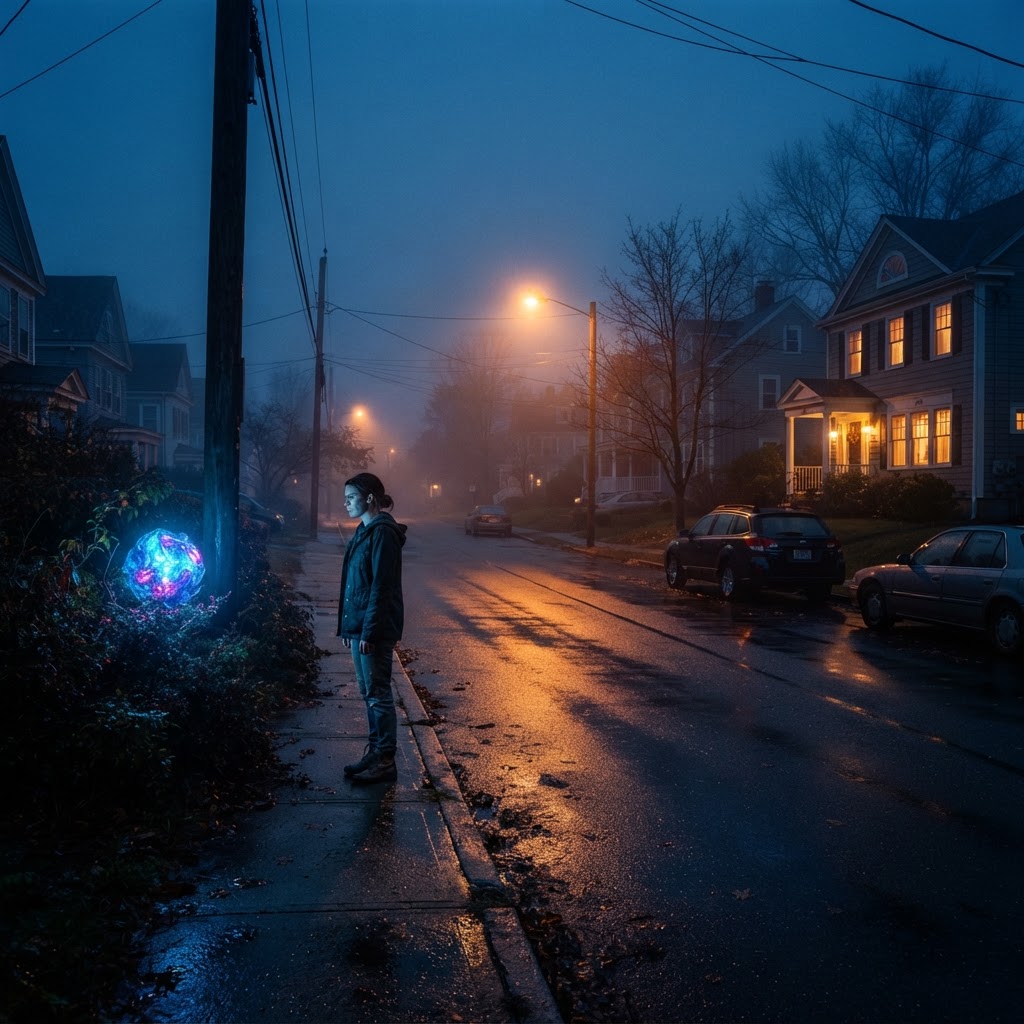
Crewdson’s work often draws comparisons to the films of David Lynch or the paintings of Edward Hopper, yet it remains distinctly photographic in its execution. His subjects are the inhabitants of small, anonymous towns, captured in moments of profound stillness, isolation, or inexplicable transition. Whether it is a woman standing in her kitchen while it fills with luminescent flora, or a man staring at a sinkhole in his backyard, his images occupy a space between the familiar and the grotesque.
As he once noted in conversation, he is interested in the space between 'the domestic and the strange.' His suburbs are not places of comfort; they are sets where the repressed emotions of the American dream leak out into the physical world. This is the art of the uncanny—where the very architecture of a home or a street corner becomes a container for psychological turmoil.
Technique: The Grand Production
Unlike the snapshot aesthetic favored by the street photographers of the 20th century, Crewdson’s process is closer to that of a feature film production. His sets are built from the ground up, employing massive crews, professional lighting technicians, and elaborate props. His signature technical approach involves:
- Total Control: Crewdson often waits for specific twilight conditions, a 'golden hour' transition that provides a soft, atmospheric glow, which he then enhances with massive cinematic lighting rigs.
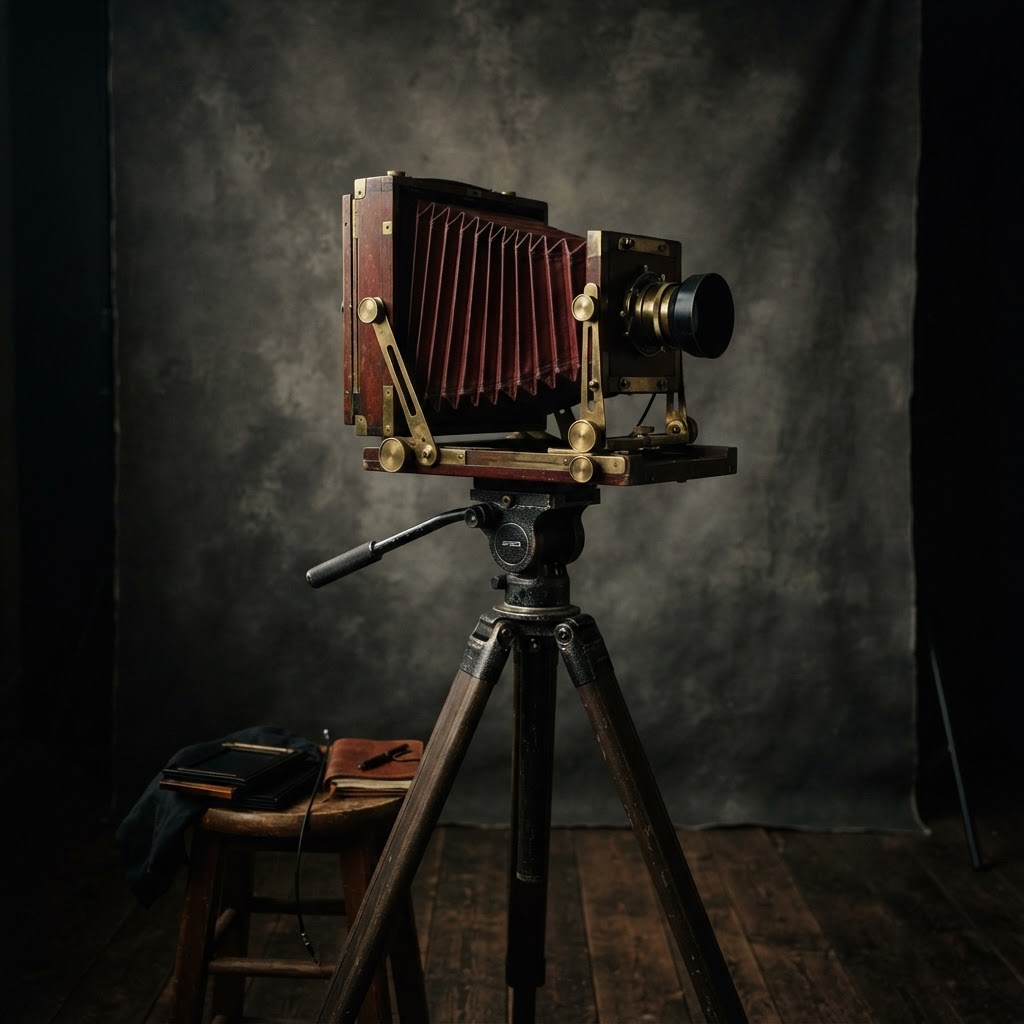
- Large-Format Precision: Utilizing large-format cameras allows him to capture staggering amounts of detail, ensuring that every blade of grass, every texture on a peeling wall, and every expression on a subject’s face is rendered with surgical clarity.
- The Layered Narrative: He approaches each image as a story without a beginning or an end, inviting the viewer to become a detective in their own house of mirrors.
Iconic Visions
Perhaps his most recognizable series, Twilight (1998–2002) and Beneath the Roses (2003–2008), define the scope of his ambition. In these works, he manages to capture the feeling of a 'mid-life crisis' or 'lost innocence' through physical metaphors. There is no CGI here; the smoke, the fog, the blooming plants, and the light are all physically present on the set. It is a commitment to the tangible that separates his work from the digital manipulations of the modern era.
The beauty of photography is that it is a medium of trace; it is evidence of a moment that occurred. By staging these moments, Crewdson forces the viewer to confront the boundary between truth and artifice, suggesting that our most authentic selves are perhaps found within our deepest, most private fantasies.
A Legacy of Controlled Chaos
Why does Crewdson matter in an age where AI-generated imagery can replicate a suburban scene in seconds? Because his work is fundamentally about the human cost of art. It is about the obsession of the creator. His images possess a weight—a physical, emotional, and psychological density—that stems from the sheer human effort poured into their creation. He reminds us that photography is an act of will. He does not ask what is in front of the lens; he demands that the lens capture the interiority of the human spirit, projected onto the landscape of our everyday lives.
For the student of photography, Crewdson is a masterclass in lighting, color theory, and narrative structure. He teaches us that a photograph can be a novel, a stage play, and a dream all at once, provided the photographer has the patience to wait for the light to hit the set exactly right.