Gordon Parks: The Architect of Vision and Social Conscience
The Man Who Could See Through Walls
To speak of Gordon Parks is to speak of the very soul of 20th-century American photography. Born into the crushing poverty of Fort Scott, Kansas, in 1912, Parks was the youngest of fifteen children. He navigated a world defined by the harsh realities of segregation and systemic neglect, yet he emerged not as a victim, but as one of history's most articulate observers. His weapon of choice was not a gun, nor a gavel, but a camera—a tool he once famously called 'a weapon against the things I hate.'
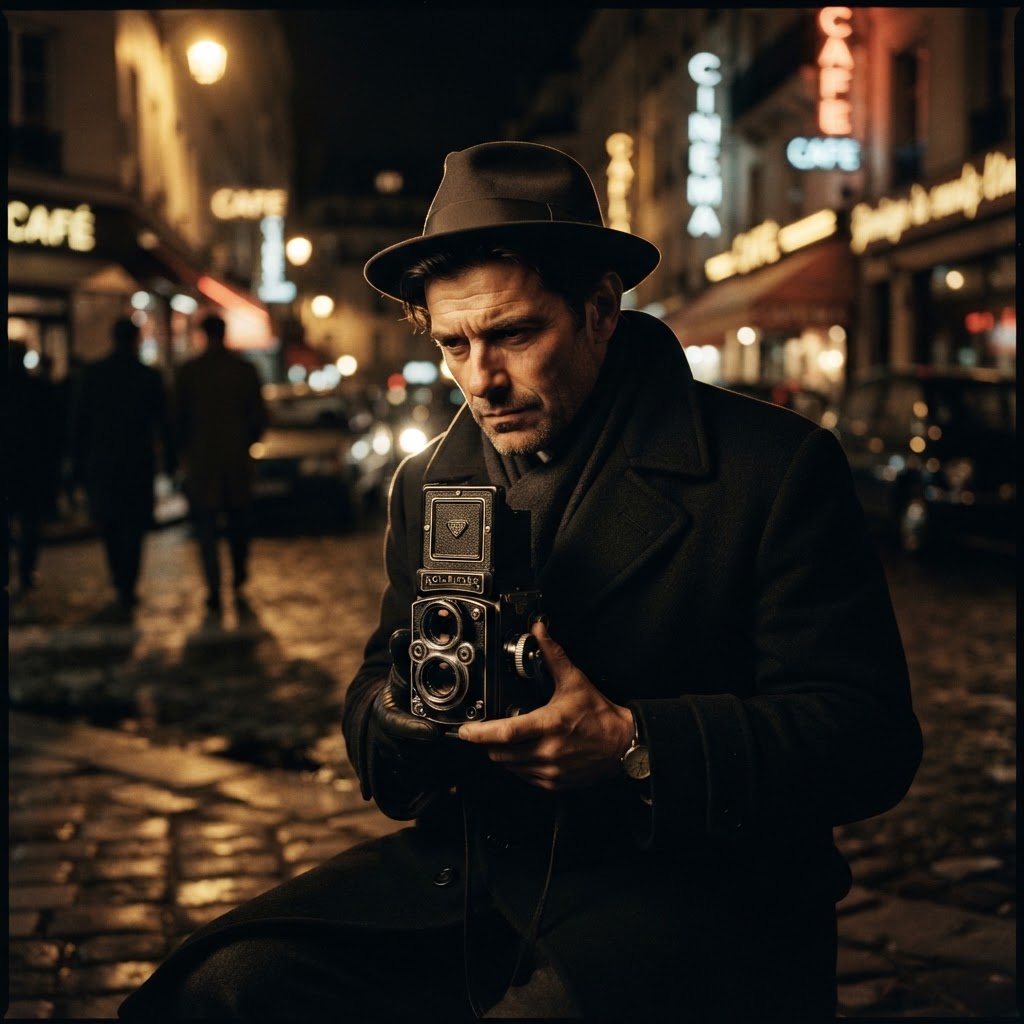
Parks did not simply document life; he inhabited it. Whether he was capturing the opulent, suffocating elegance of high-fashion runways for Vogue or the gritty, desperate pulse of Harlem’s streets, his vision remained remarkably consistent. He understood that light was not merely a physical phenomenon to be measured, but an emotional conduit to the human spirit. His work serves as a testament to the fact that empathy, when paired with technical mastery, becomes an unstoppable force for truth.
The Weapon of Choice
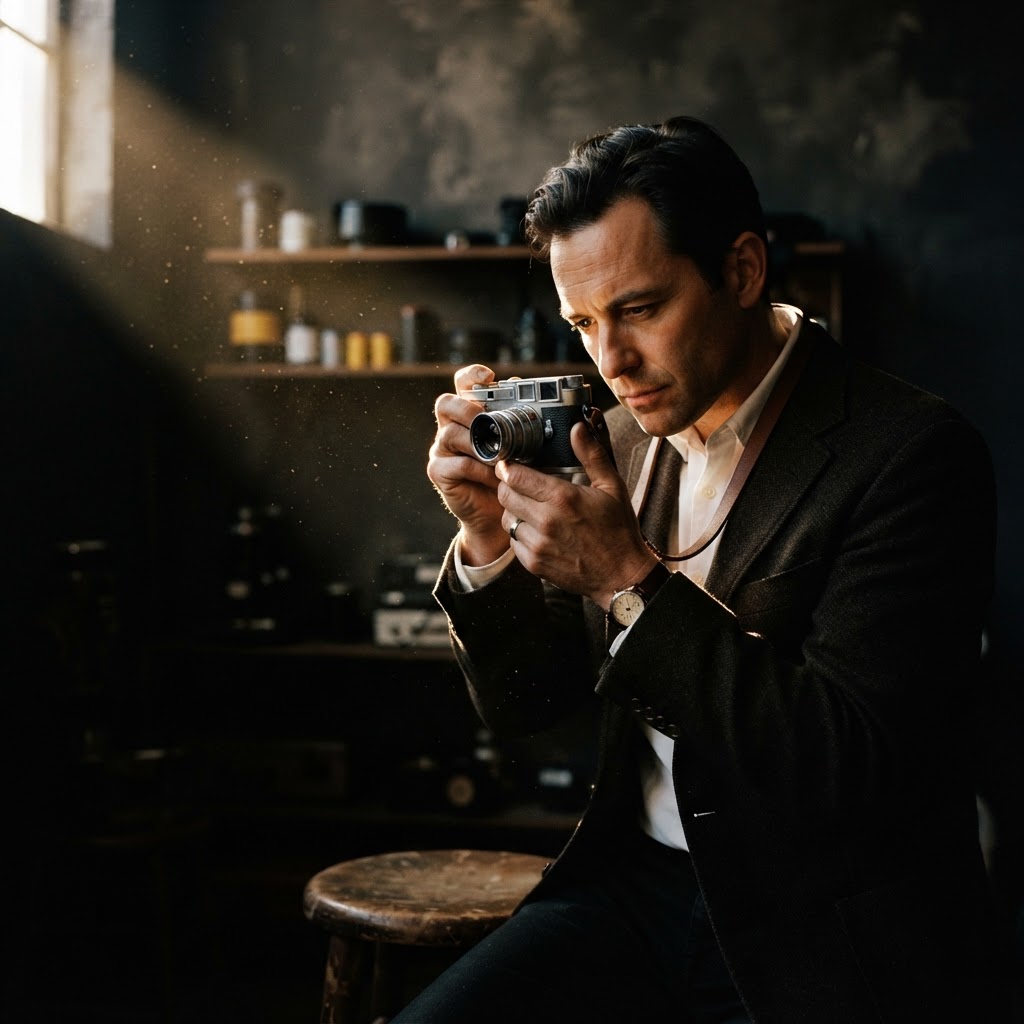
Parks’ technical proficiency was the foundation upon which he built his visual narratives. He was a master of the 35mm format, often working with the agility that only a compact camera could afford. In the 1940s, his work with the Farm Security Administration (FSA) saw him applying his unique brand of humanism to the plight of the disenfranchised. It was here that he captured his iconic American Gothic, a portrait of Ella Watson, a government cleaning woman. The image, mirroring Grant Wood’s famous painting, replaced a farmer’s pitchfork with a mop and broom, casting the American flag as the backdrop for an indictment of inequality.
The camera was my weapon, my shield, and my voice in a world that sought to keep me silent.
His technique involved a profound intimacy with his subjects. Parks rarely functioned as a fly-on-the-wall; he was a participant. He sought the 'human moment'—that fleeting instant where the armor of the subject falls away to reveal the raw reality of their existence. His mastery of shadow and composition ensured that his images were never merely decorative; they were structural, guiding the viewer’s eye toward the weight of the social injustice he sought to dismantle.
A Legacy Written in Light
Beyond his documentary work, Parks broke barriers that had stood for generations. He was the first Black photographer for both Life and Vogue, navigating white-dominated spaces with an unwavering commitment to his identity. He did not ask for permission to tell the stories of his people; he demanded that the world bear witness to them. His series on the Fontenelle family in Harlem remains a masterclass in photo-journalistic storytelling—a sequence of images that moves beyond the sensational to find the quiet, heartbreaking dignity in poverty.
The lasting impact of Gordon Parks is found not just in the millions of prints that reside in galleries, but in the path he cleared for visual storytellers everywhere. He taught us that photography is an exercise in courage. He proved that an artist could be both a poet of light and a champion of human rights. Today, his images matter because the issues he fought—prejudice, inequality, and the dehumanization of the vulnerable—remain deeply relevant.
- Mastery of Narrative: Parks treated the photo essay as a novel, connecting images to create a cohesive moral argument.
- The Human Focus: He prioritized the dignity of his subject over the spectacle of the event.
- Visual Versatility: From fashion photography to brutal reportage, he maintained a distinct, high-contrast aesthetic that demanded attention.
Gordon Parks stands as a titan in our history, a man who transformed the act of looking into the act of liberation. For those of us standing behind the lens today, his life serves as a constant reminder: capture the light, but never lose sight of the shadows where justice is most needed.