Eugène Atget: The Silent Chronicler of Vanishing Paris
The Archivist of the Unnoticed
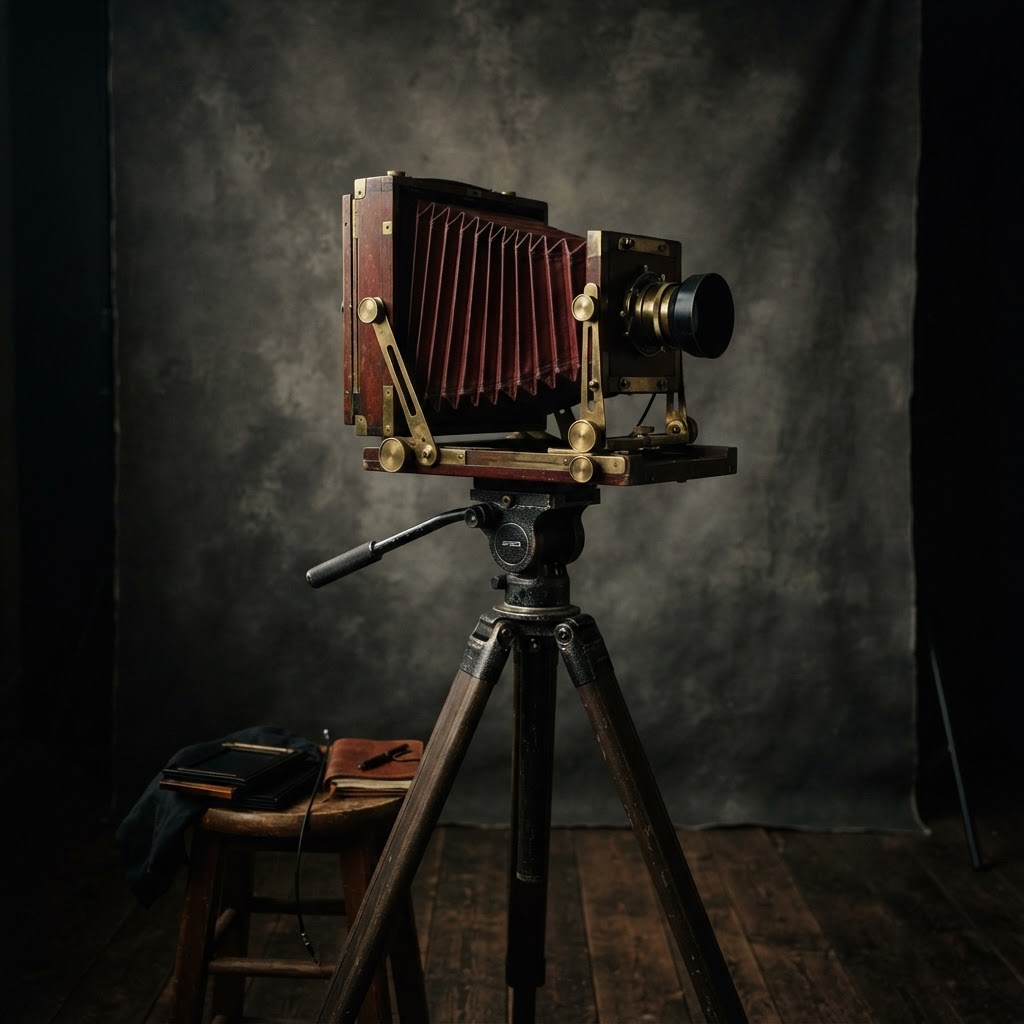
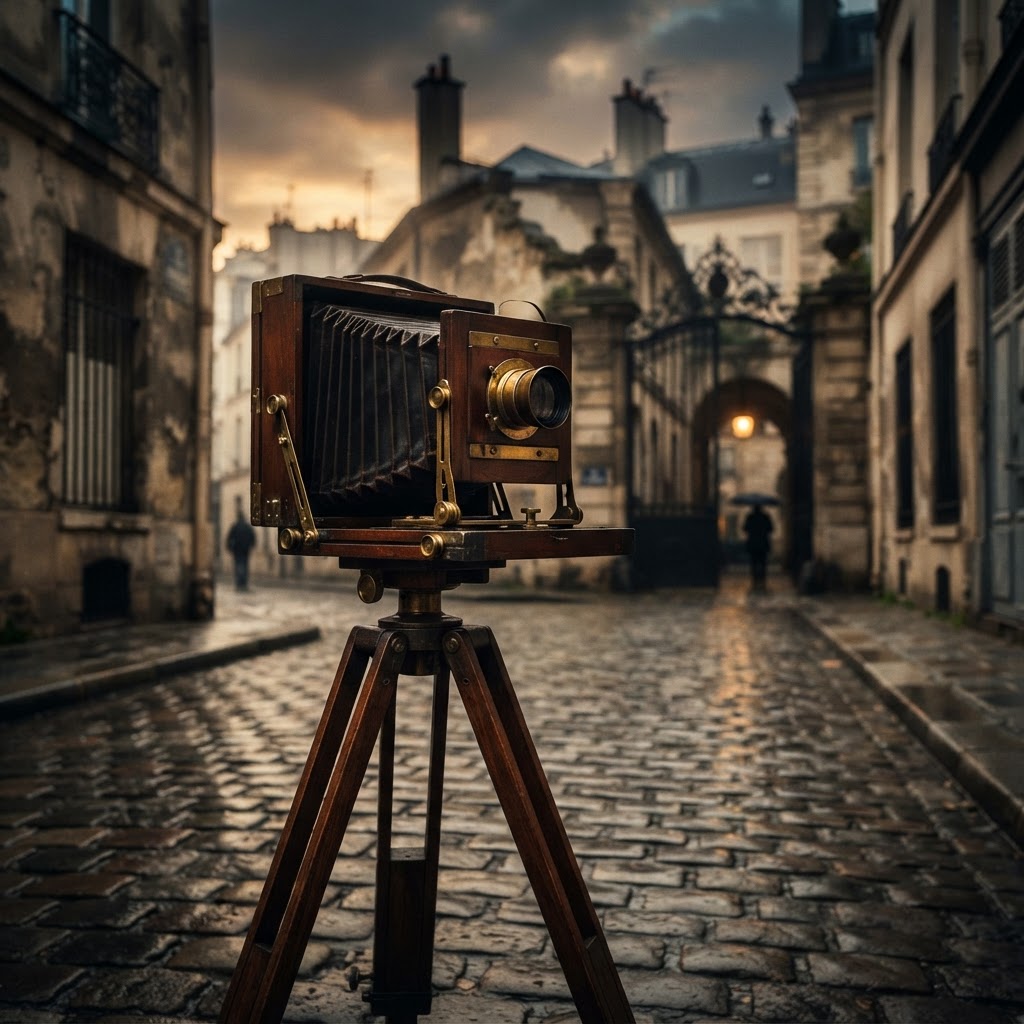
In the bustling, rapidly industrializing Paris of the late 19th and early 20th centuries, while others were chasing the glamour of the Belle Époque, one man walked the quiet streets with a heavy wooden tripod and a bellows camera. Eugène Atget was not a photographer of high fashion or socialite parties; he was, by his own admission, a creator of 'documents for artists.' He sought to capture the architectural ghosts of a Paris that was being systematically dismantled by the grand urban planning of Baron Haussmann.
Atget’s life was defined by a quiet, stoic persistence. Born in 1857, he spent his youth as a merchant marine and later a mediocre actor, only finding his true calling in middle age. He did not possess the sophisticated gear of his contemporaries; he used a large-format view camera with glass plates that were cumbersome, fragile, and slow. Yet, in that slowness, he found a profound stillness.
The Technique of the Shadow
Atget’s aesthetic was born from technical necessity and an intuitive eye for structural geometry. Because his exposures were long, he was forced to shoot in the early morning hours, long before the Parisian crowds filled the squares. This requirement gifted his work with a haunting, dreamlike quality. His images are populated by empty courtyards, lonely fountains, and iron-wrought gates that feel suspended in time.
- Empty Streets: By shooting at dawn, Atget stripped away the modern clutter, leaving only the skeletal beauty of the city’s bones.
- Glass Plate Mastery: He captured an extraordinary level of detail, from the pitted stone of a 17th-century archway to the intricate ironwork of balconies, turning mundane street corners into artifacts of history.
- The Absence of Motion: His long exposure times rendered figures as ghosts or erased them entirely, creating a sense of solitude that has fascinated surrealists and street photographers for generations.
A Legacy of Preservation
Atget’s most iconic images—such as his series on the boutiques of Old Paris and the winding, narrow alleys of the Latin Quarter—were not originally intended as art. He saw himself as a simple supplier of reference images for painters and architects. It wasn't until the end of his life, through the intervention of Berenice Abbott and Man Ray, that the true weight of his archive was recognized. He had preserved the visual DNA of a city that was effectively vanishing.
The records of a city that no longer exists carry a weight that transcends time. Atget did not just capture buildings; he captured the silence of history waiting to be heard.
When we look at an Atget print today, we aren't just looking at architecture. We are looking at a masterclass in patience. In an era where we can capture a thousand frames in a minute, Atget’s work serves as a reminder that photography is, at its heart, an act of looking. He looked deeper than the surface; he looked at the texture of the past. His work reminds us that every street corner has a story, provided we have the discipline to wait for the light to reveal it.
The Enduring Influence
Atget’s influence is woven into the fabric of modern photography. The New Topographics movement, the street photography of the mid-century, and the contemporary obsession with architectural photography all owe a debt to his archival impulse. He taught us that the most significant subject matter is often that which is right in front of us, waiting to be saved from the inevitable erosion of progress. Eugène Atget remains the patron saint of the quiet observer, the man who turned his camera into a bridge between the living city and the shadows of the past.