Diane Arbus: Finding the Infinite in the Unseen Margins
The Anatomy of the Outsider
In the history of photography, few figures loom as large or as controversially as Diane Arbus. Born in New York City in 1923 into a wealthy family, she lived a life that initially seemed destined for the conventional paths of high society. Yet, beneath the veneer of her privileged upbringing, there was an insatiable, restless curiosity about the world that existed beyond the velvet curtains of Park Avenue. Arbus was not merely looking for subjects; she was looking for a reflection of the internal landscapes that most people spent their entire lives trying to hide.
The Technique of Confrontation
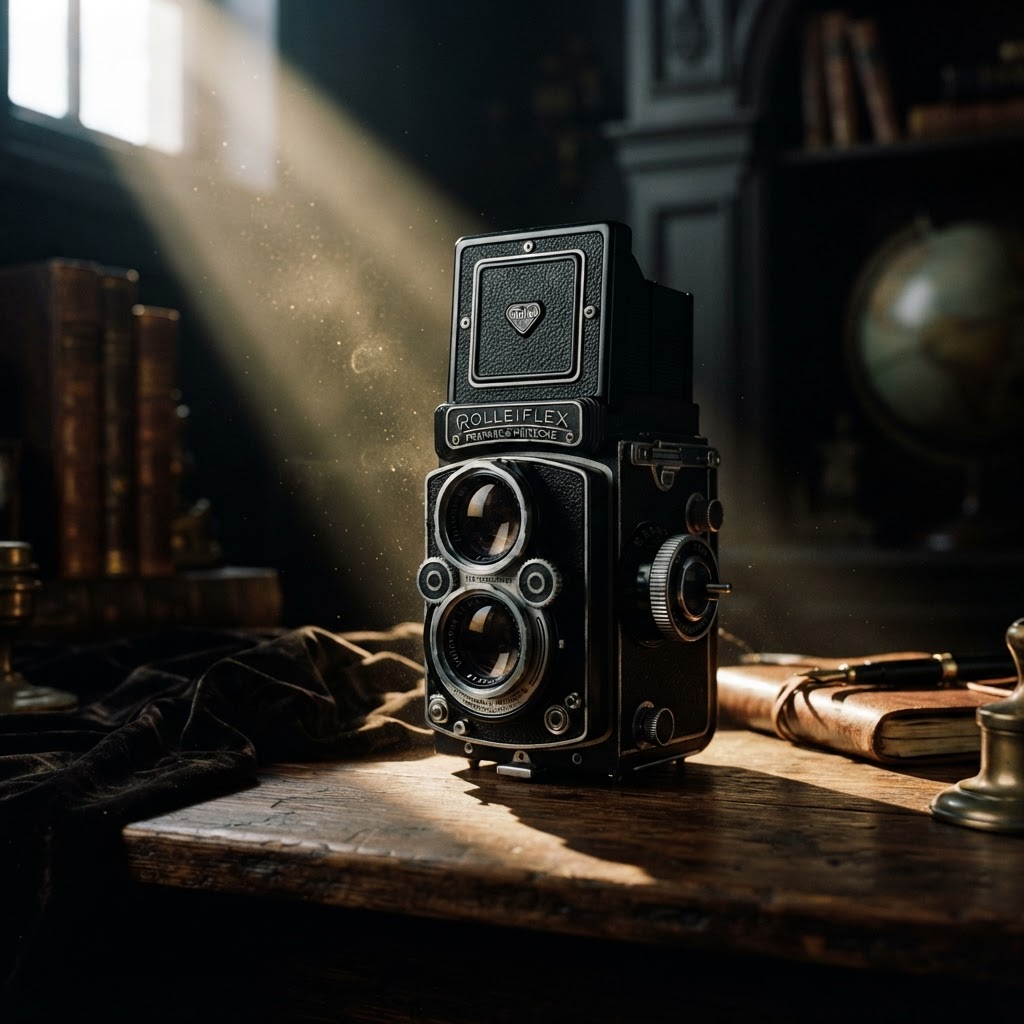
Arbus abandoned the aesthetic of the 'decisive moment' favored by her contemporaries. Instead, she pioneered a style of stark, unflinching portraiture that demanded an intimate connection between the photographer and the subject. She moved from the grainy 35mm film of her early career to the medium-format Rolleiflex, a choice that fundamentally altered the cadence of her work. The square frame of the Rolleiflex, held at waist level, allowed her to engage subjects eye-to-eye rather than hiding behind a camera at her own eye level.
- The Direct Gaze: Her subjects rarely looked away; they stood still, often staring directly into the lens with a sense of participation that blurred the lines between observer and observed.
- The Flash as Sculptor: Arbus utilized harsh, direct flash, stripping away the comfort of shadows. This light rendered textures—skin, hair, fabric—with a clinical, almost hyper-real precision that turned the mundane into the monumental.
- The Square Frame: The 1:1 aspect ratio forced a rigid, centered composition, emphasizing the subject's presence in a way that felt both eternal and suffocatingly immediate.
Icons of the Ordinary and the Strange
Perhaps her most famous image, Child with Toy Hand Grenade in Central Park, encapsulates her philosophy. On the surface, it is a photograph of a boy, but the tension in his expression and the awkwardness of his posture evoke a profound, existential unease. Arbus found the 'monstrous' in the mundane and the 'divine' in the marginalized. Whether capturing sideshow performers, nudists, or suburban families, she treated each subject with the same rigorous, transformative attention. She famously remarked, 'I really believe there are things which nobody would see unless I photographed them,' a testament to her role as a visual anthropologist of the human psyche.
The process of photographing for Arbus was never a search for beauty in the traditional sense, but a search for truth—the kind of truth that aches when you look at it too long.
A Legacy of Unsettling Grace
Arbus navigated a world that was often hostile to her choices, struggling with the dualities of her mental health and the critical reception of her work. Her suicide in 1971 cemented her status as a tragic figure, but her work remains a towering testament to the power of the singular gaze. She stripped away the artifice of American culture during the mid-20th century, revealing the fragility and resilience of those living on the fringes.
Today, her impact is felt in every portraitist who seeks to document the soul rather than the likeness. She taught us that the photograph is not an objective document of reality, but a collaborative act of fiction, a pact between two people who, for a brief moment, agree to look at one another without flinching. To study Diane Arbus is to understand that to photograph someone is, in essence, to admit that they exist—in all their complexity, their oddity, and their undeniable humanity.