The Architecture of Distinction: Unmasking the Essence of Contrast
The Etymology of Difference
In the quiet halls of our academy here in Frederick, I often tell my students that photography is not the art of capturing light, but the art of managing difference. The word contrast traces its lineage to the Latin contra-stare—to stand against. It is an act of defiance, a visual friction where dark meets light, where form separates from void. Long before it was a slider in a digital darkroom, contrast was the fundamental philosophical condition of human perception. We do not see absolute values; we see transitions, edges, and the relational tension between the disparate.
A Historical Tension
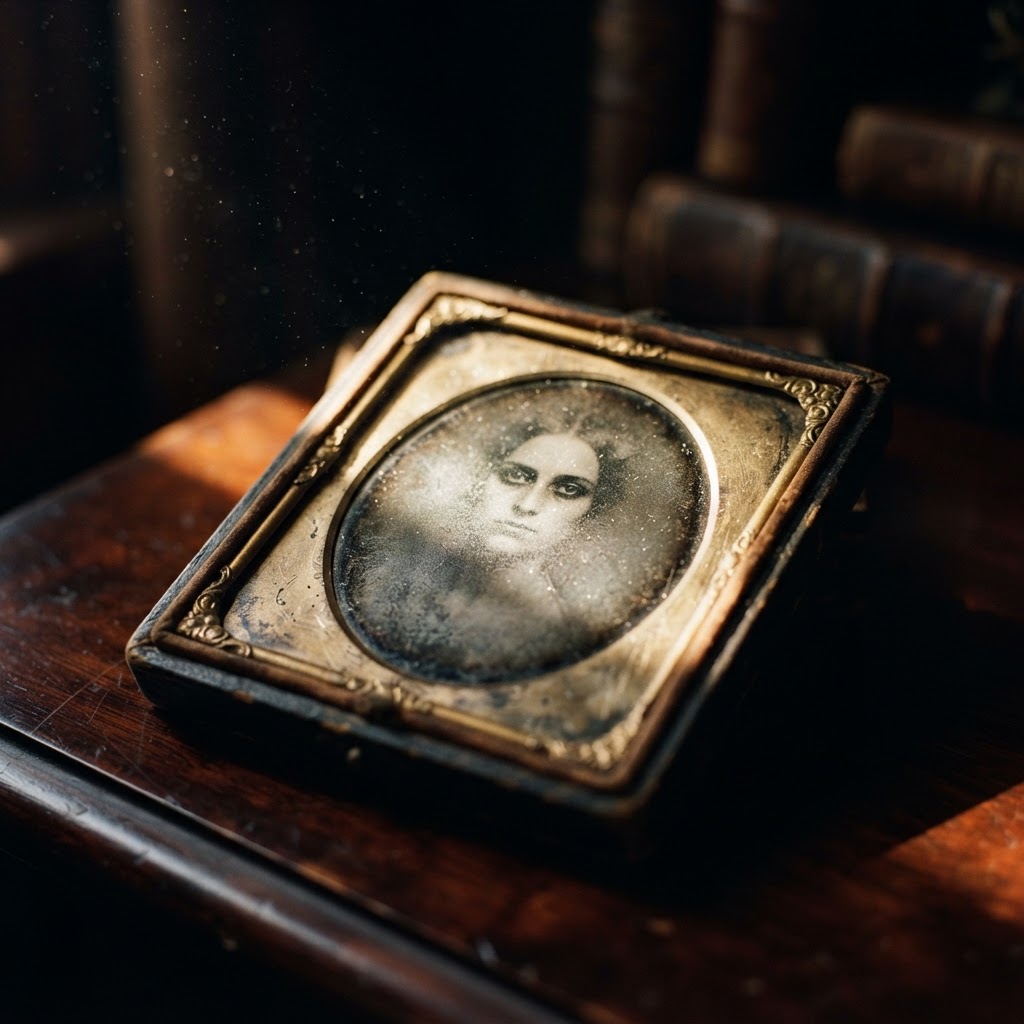
The history of photography is a chronicle of our struggle to master this tension. In the earliest days of the medium, the chemical limitations of the daguerreotype and the calotype meant that contrast was an inherent, often brutal byproduct of the process. Early practitioners were essentially fighting the physics of the material; they were 'contrast-bound.' It wasn't until the refinement of the dry plate era that photographers began to exert conscious, scientific control over the gradient between pure black and blinding white. This evolution shifted contrast from a limitation of chemistry to a deliberate aesthetic choice. When we look at the work of the 20th-century masters, we aren't just seeing subjects; we are seeing their specific, intentional management of the ‘stand against.’
The Technical Mechanics
Technically, contrast is the measurement of the difference in luminance or color that makes an object distinguishable. In the digital age, we quantify this via the histogram—that jagged landscape of data that represents the tonal distribution of our vision. High contrast, or 'hard' lighting, minimizes the mid-tones, driving the image toward the binary extremes of total shadow and total highlight. Low contrast, or 'soft' lighting, expands the middle, offering a velvet-like subtlety that prioritizes nuance over impact. To be a master of the craft, one must understand how light interacts with surface texture to create these gradients. A hard light source, like the midday sun, creates sharp, biting edges; a soft light source, like the ambient overcast skies of a Colorado morning, wraps the subject in a gentle, rolling transition of greys.
The Academy Approach
At Photography in the Raw, we teach that contrast is the rhythm section of an image. If your composition is the melody, contrast is the bass line that dictates the mood. A high-contrast image is a shout, a moment of high drama that commands attention through intensity. A low-contrast image is a whisper, inviting the viewer to linger, to search the shadows for details that aren't immediately revealed. Both are valid, but they serve entirely different psychological ends.
The master photographer is the one who understands that every shadow is not an absence, but a presence—a space defined entirely by what it chooses to omit.
- The Highlight Peak: The threshold where detail dissolves into purity.
- The Shadow Floor: The bottom of the curve where form begins to melt into the void.
- The Mid-tone Bridge: The elusive middle ground where the story of texture is told.
As you refine your eye, stop looking for ‘good’ contrast and start looking for ‘appropriate’ contrast. Does the emotional weight of your subject demand the harsh, crushing blacks of a high-contrast print, or does it require the atmospheric, breathy quality of a full-spectrum tonal range? By mastering this distinction, you stop being a technician of the camera and start becoming an architect of the image. The next time you set your tripod, ask yourself not how bright the light is, but how the light is standing against the dark. That is where the truth of the photograph resides.