The Unseen Geometry: Finding Humanity in the Lens of André Kertész
The Architect of the Poetic Snapshot
In the grand tapestry of photographic history, few figures possess the lyrical grace of André Kertész. While many of his contemporaries were obsessed with the technical rigors of the medium, Kertész approached the camera with the sensitivity of a poet and the vision of a philosopher. Born in Budapest in 1894, Kertész navigated a life marked by the tremors of the 20th century, yet his work remained remarkably tethered to the intimate, the quiet, and the absurdly beautiful. He did not merely record reality; he translated it into a visual language that felt at once deeply personal and universally understood.
Kertész’s journey began in the trenches of World War I, where he captured the lives of fellow soldiers with a small folding camera. These early works were not the clinical documents of conflict we often see, but poignant glimpses of boredom, camaraderie, and the existential weight of waiting. This period defined his approach: he was always an observer on the periphery, a man who found beauty in the cracks of life's daily progression.
The Geometry of Intimacy
When Kertész moved to Paris in 1925, he entered the crucible of the avant-garde. It was here that his signature style blossomed. He possessed an uncanny ability to find geometry in the chaos of urban life. He understood that a shadow stretching across a wall or the precise alignment of a silhouette against a cobblestone street was not just an aesthetic choice—it was a manifestation of rhythm. He favored the unconventional angle, the distorted reflection, and the quiet stillness found in the middle of a bustling metropolis.
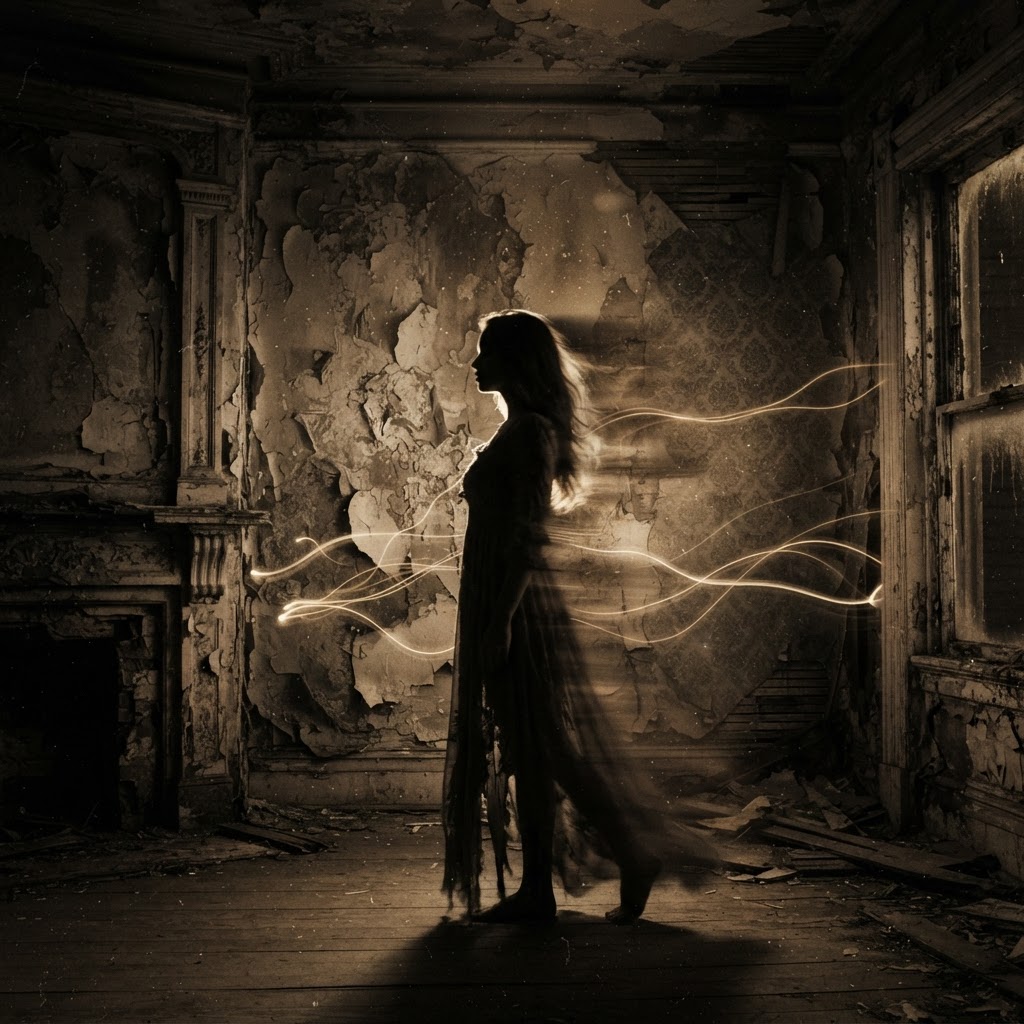
His famous Distortions series, created in the early 1930s, showcased his willingness to break the rules of classical representation. By using funhouse mirrors to stretch and twist the female nude, Kertész stripped away the anatomical rigidity of the body and replaced it with fluid, almost sculptural forms. This was not a gimmick; it was a profound exploration of how we see and how we might perceive the world if we simply shifted our perspective.
The Decisive Moment Before the Label
Henri Cartier-Bresson famously noted that Kertész was his mentor, stating, "We all owe something to Kertész." The idea of the 'decisive moment'—capturing life at its peak of narrative tension—was, in many ways, the foundational philosophy of Kertész’s entire career. Consider his image Satiric Dancer (1926). The subject is captured in an angular, almost alien pose that feels explosive and contained simultaneously. Kertész didn't wait for the world to pose for him; he learned to anticipate the geometry of the human spirit.
Photography is a small voice, at best, but sometimes one photograph, or a group of them, can lure our senses into awareness.
This awareness is what continues to resonate today. Whether he was photographing the bustling streets of Paris, the isolation of his New York apartment in his later years, or the simple silhouette of a fork resting on a plate, Kertész maintained a consistent, gentle presence. He taught us that a great photograph is not necessarily the result of monumental subjects, but the result of a monumental way of seeing.
A Legacy of Vision
The challenges Kertész faced were largely those of the displaced artist. As a Hungarian Jew, he fled to New York in 1936 to escape the encroaching darkness of the Second World War. The adjustment to America was difficult; his work was initially perceived as too delicate, too quiet for a culture that favored the bold and the literal. For decades, he worked in relative obscurity, often feeling marginalized by an industry that moved faster than his contemplative pace. Yet, he never compromised the softness of his gaze.
Why does his work matter today? In an age of digital saturation, where we are bombarded by thousands of images a day, Kertész provides a necessary pause. His work reminds us that beauty is not about the grand spectacle; it is about the way light strikes a windowsill, the way a shadow turns a corner, and the quiet humanity hidden in the mundane. He remains a lighthouse for any photographer who seeks to move beyond the technical 'how' and into the profound, emotional 'why' of the craft.
- The Early Years: Defined by the gentle documentarian eye in post-war Europe.
- The Parisian Avant-Garde: A masterclass in shadow, geometry, and the surreal.
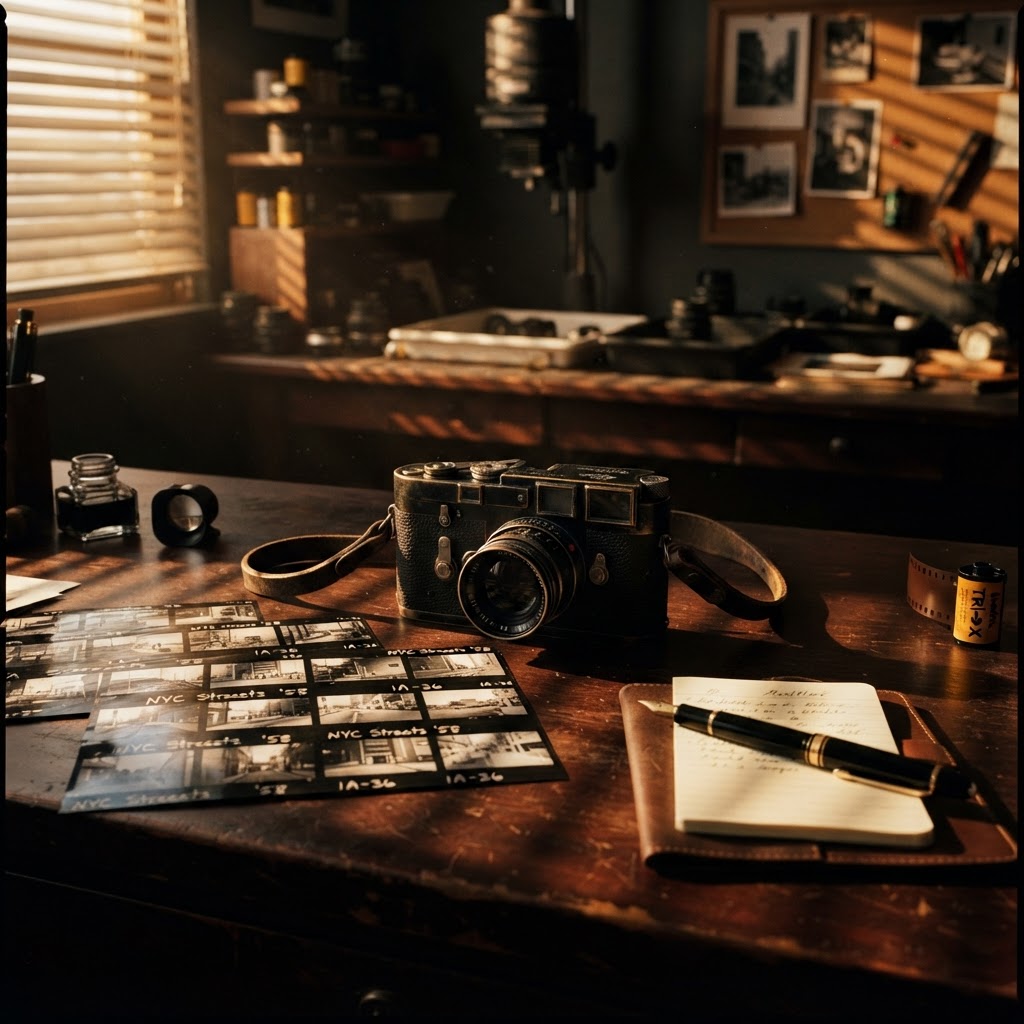
- The New York Years: A master of the interior, finding vast emotional landscapes within a small apartment.
André Kertész never sought to be the loud voice in the room. Instead, he opted for the quiet whisper that lingers long after the noise has faded. He proved that the camera, when held with the right amount of humility and heart, can record not just what is in front of the lens, but what lies deep within the soul of the observer.