The Art of Bokeh: Etymology, Optics, and the Blur of Perception
The Philosophy of the Blur
In the quiet corners of the Salt Media Studios, we often discuss the relationship between what is sharp and what is lost. To the uninitiated, photography is the pursuit of absolute clarity. But to the master, the true soul of an image often resides in the parts we choose to surrender to the haze. We call this bokeh—a term that has migrated from the technical vernacular of Japanese photography magazines to the global lexicon of visual art.
The Etymology of the Blurred Edge
The word bokeh originates from the Japanese word boke (暈け), which translates roughly to 'blur' or 'haze.' It is a fascinating linguistic intersection; the word carries dual meanings, signifying both an optical condition and, in a broader philosophical sense, mental confusion or senility. When photographers in the late 1990s began to adopt the term—popularized by Mike Johnston in Photo Techniques magazine—they were codifying an aesthetic preference that had existed since the dawn of the lens. They weren't just describing a lack of focus; they were describing a quality of character inherent to the glass itself.
The Optical Anatomy of Softness
At its technical core, bokeh is the subjective quality of the out-of-focus areas of an image, produced by a lens when using a shallow depth of field. It is important to distinguish between 'depth of field'—the measurement of what is in focus—and 'bokeh'—the nature of how the light renders the parts that are not. When light points hit the film plane or digital sensor from outside the plane of critical focus, they become 'circles of confusion.' The shape and texture of these circles are dictated by several architectural factors within your lens:
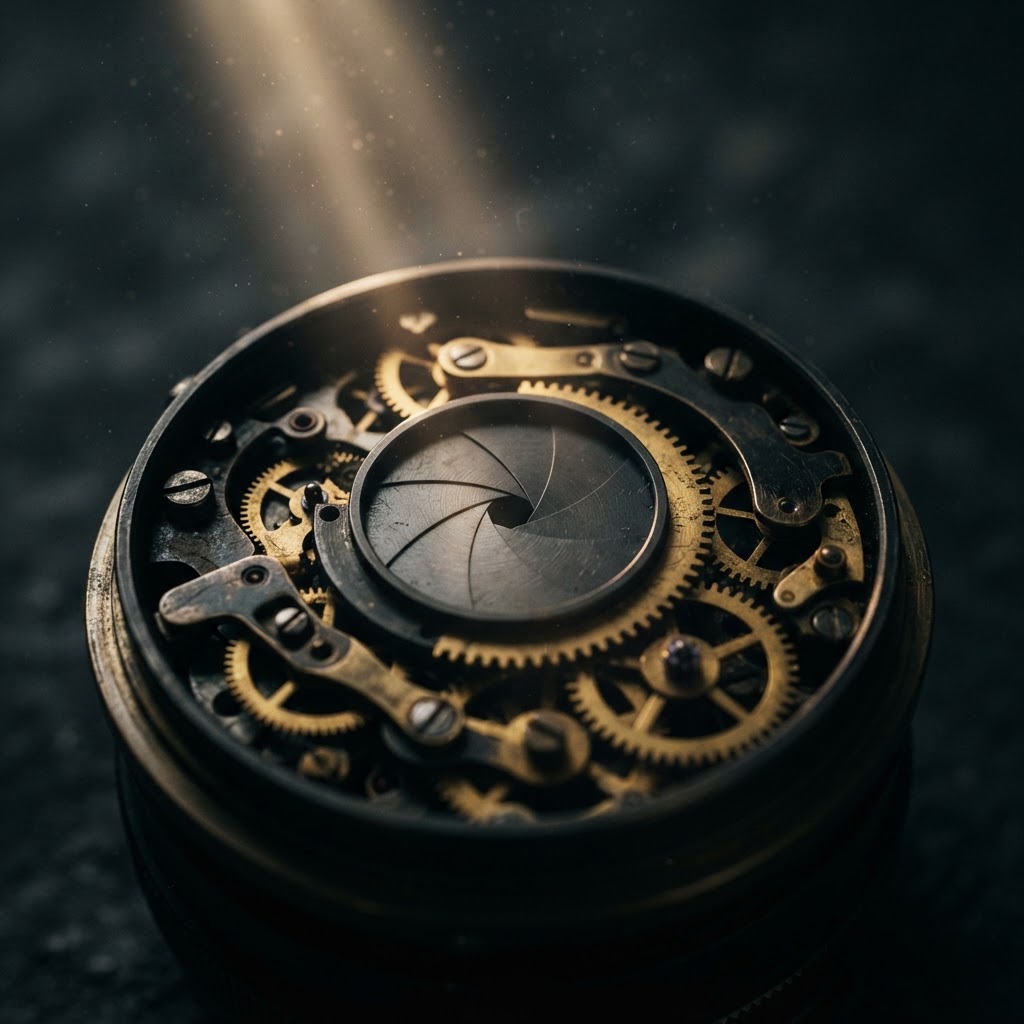
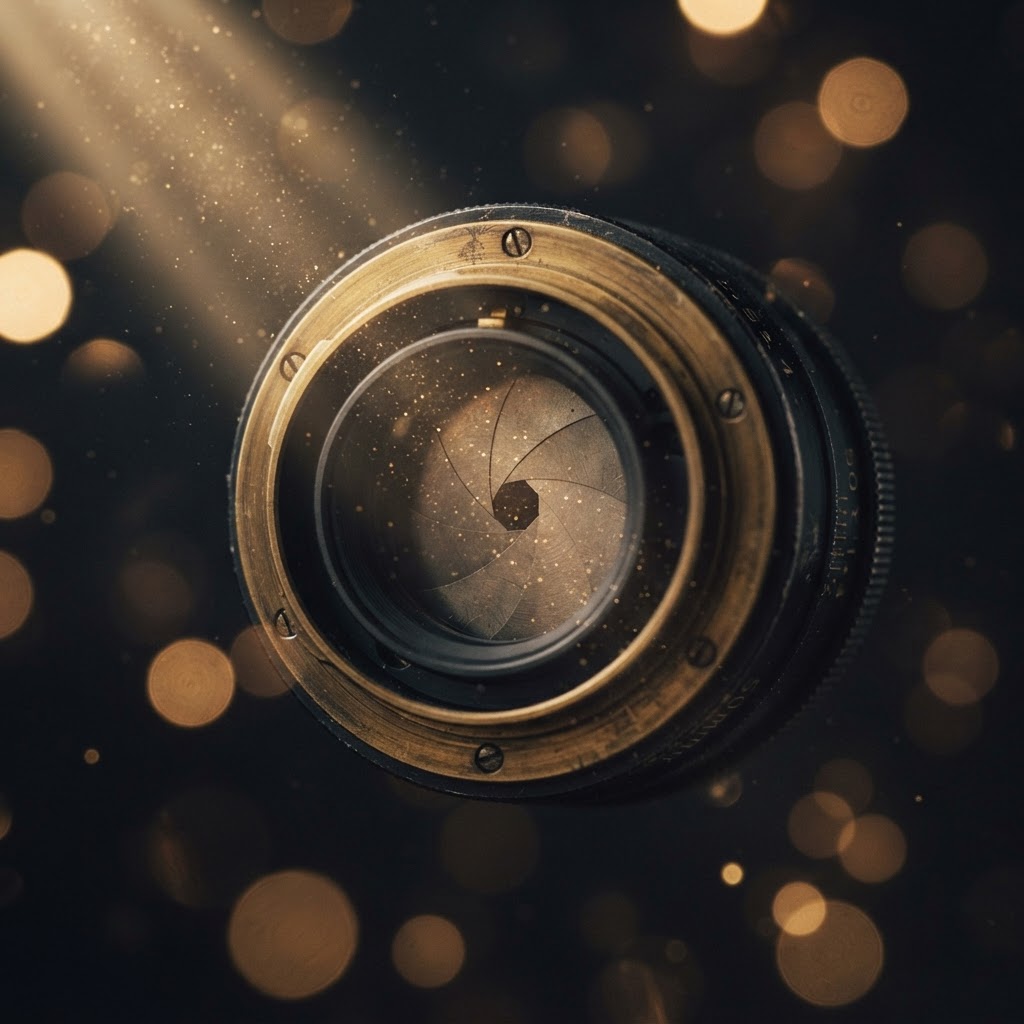
- Aperture Blade Configuration: The number and shape of the diaphragm blades determine whether those bokeh circles are perfect discs or faceted polygons.
- Lens Correction: Higher-end optics often feature spherical aberration correction, which can result in 'creamy' or 'smooth' bokeh, as opposed to 'ni-sen' or 'double-line' bokeh, which can feel harsh and distracting.
- Lens Elements: The presence of aspherical elements can sometimes lead to 'onion ring' bokeh, an artifact that purists often avoid in favor of the smooth transitions provided by simpler, classic optical designs.
The Cultural Evolution of the Aesthetic
Historically, the obsession with bokeh emerged as a reaction to the clinical sharpness of modern lenses. In the early days of photography, photographers like the Pictorialists sought to mimic the soft, painterly qualities of Impressionist art. They used soft-focus lenses to obscure reality, elevating the image from a mere reproduction to an emotional interpretation. Today, we stand in a post-digital era where we have the technical ability to achieve near-infinite sharpness, yet we find ourselves craving the organic 'imperfection' of a fast prime lens. Bokeh represents our human desire to isolate the subject, to remove the clutter of the world, and to frame a singular moment against a tapestry of light.
The beauty of bokeh is that it acknowledges the limitations of the lens, turning the failure to resolve light into a deliberate, harmonious melody of color and shadow.
Mastering the Narrative of Light
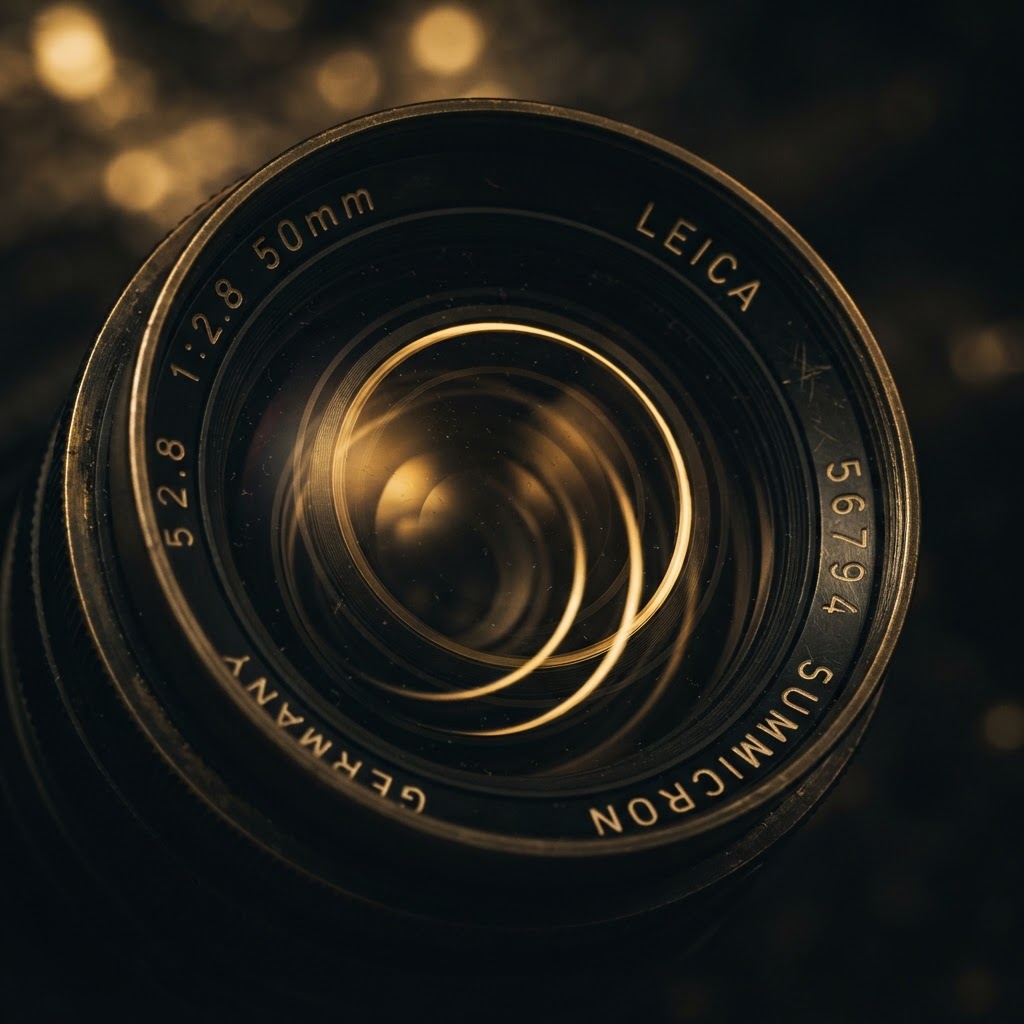
When you hold a lens at f/1.2 or f/1.4, you are not just capturing a portrait; you are sculpting the atmosphere. The way a forest canopy breaks into luminous discs behind a subject creates a rhythm. It transforms the background from a static wall into a living entity that breathes with the subject. As artists, our task is to understand that bokeh is not merely an effect to be applied or a result of expensive glass; it is a narrative choice. Whether you seek the chaotic, swirly bokeh of an antique Petzval lens or the surgical, buttery smoothness of a modern 85mm prime, your choice of blur defines the emotional distance between your subject and the viewer.
As you continue your journey at the academy, I encourage you to look beyond the subject. Study the light as it disintegrates. Understand the optics, respect the physics, and then, move beyond them to use the blur to tell the story that focus alone cannot capture.