The Architecture of Vision: A Deep Dive into Photographic Composition
The Etymological Origins of Order
In the quiet corners of our studio at Salt Media, we often discuss the 'why' behind the image. While much of our craft is driven by light and chemistry, the fundamental scaffolding of any photograph is composition. The term itself is derived from the Latin compositio, meaning 'a putting together.' It is an act of deliberate assembly—a transformation of chaotic reality into a structured, meaningful experience.
From Renaissance Canvases to the Viewfinder
Before the shutter ever clicked, composition was the dominion of the painter. From the golden ratios employed by Leonardo da Vinci to the rhythmic arrangements of Poussin, the early rules of visual order were codified to guide the viewer’s eye through a narrative. When photography emerged in the mid-19th century, it inherited this classical vocabulary. Early photographers were essentially 'painting with light,' often struggling to apply academic standards of perspective and balance to the volatile, fleeting reality of the physical world.
The Technical Mechanics of Arrangement
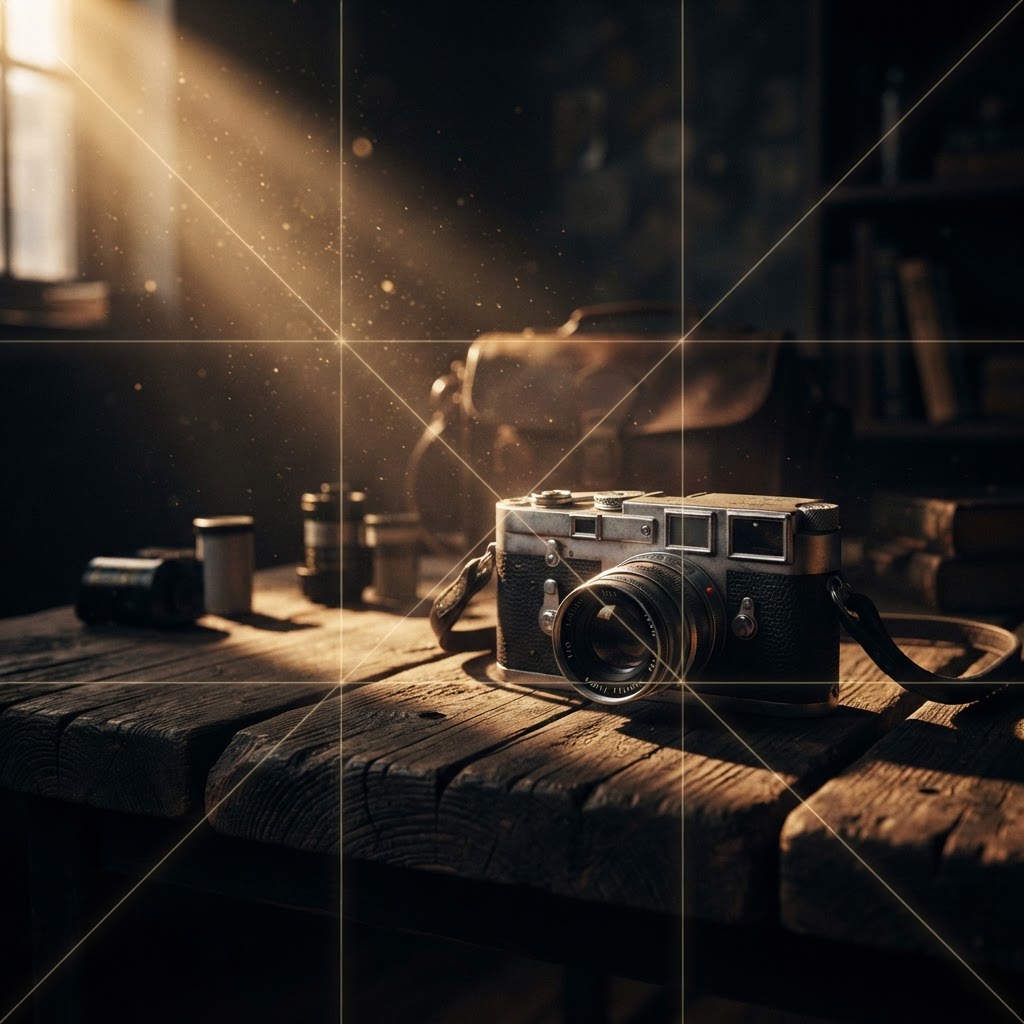
At its technical core, composition is the strategic placement of visual elements—line, shape, form, space, and texture—within the frame. It is the geometry of intent. Composition is not merely about where to place a subject; it is about deciding what to exclude. By defining the edges of the frame, the photographer exerts control over the narrative arc of the image.
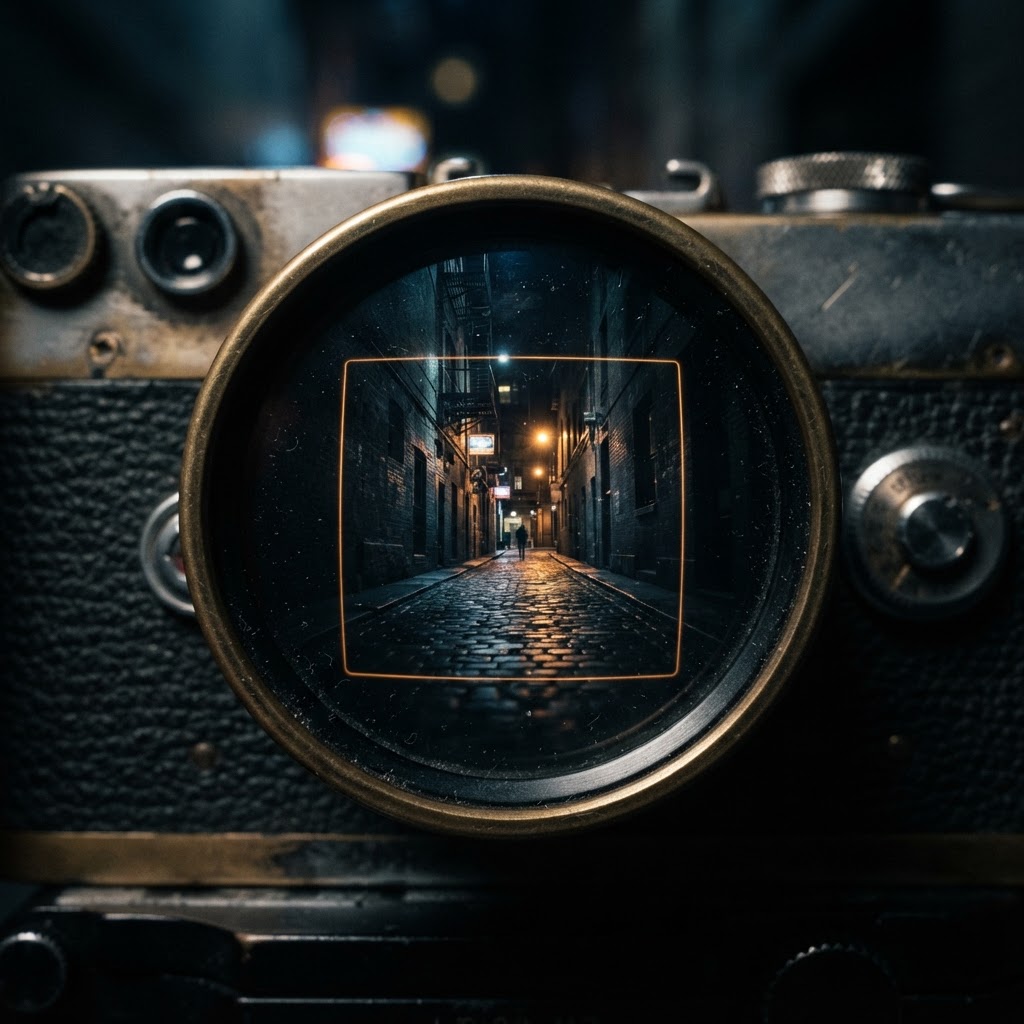
The frame is the boundary between the infinite world and the finite statement. Every choice of placement is a choice of emphasis.
The Evolution of the Visual Language
- Classical Symmetry: Early practitioners favored centered, balanced compositions that reflected the stability of the era.
- The Modernist Break: In the early 20th century, photographers began experimenting with diagonal lines, extreme high and low angles, and unconventional cropping, challenging the 'polite' nature of traditional art.
- The Decisive Moment: As cameras became more portable, composition evolved into a reactive, athletic pursuit where the timing of a shutter press became as vital as the geometric alignment of elements.
The Invisible Geometry
To master composition is to recognize that we are not capturing reality, but rather, we are constructing a relationship between objects. We look for 'leading lines' that draw the eye toward a focal point, or 'negative space' that provides the viewer’s mind room to breathe. The most successful images often employ a tension between these elements, creating a sense of equilibrium that feels both inevitable and surprising. Whether you are working in color or monochrome, the weight of a shadow or the sharpness of a leading edge carries as much 'visual mass' as a subject itself.
Conclusion: The Personal Aesthetic
Composition is the signature of the photographer. It is the hidden architecture that supports your vision, turning a fleeting observation into a lasting work of art. As you move through the world with your camera, remember that every frame you crop is a conversation between your internal sense of order and the complexity of the world around you. Seek the structure within the chaos, and you will find that the photograph writes itself.