Hiroshi Sugimoto: The Architect of Time and the Void
The Philosophical Lens
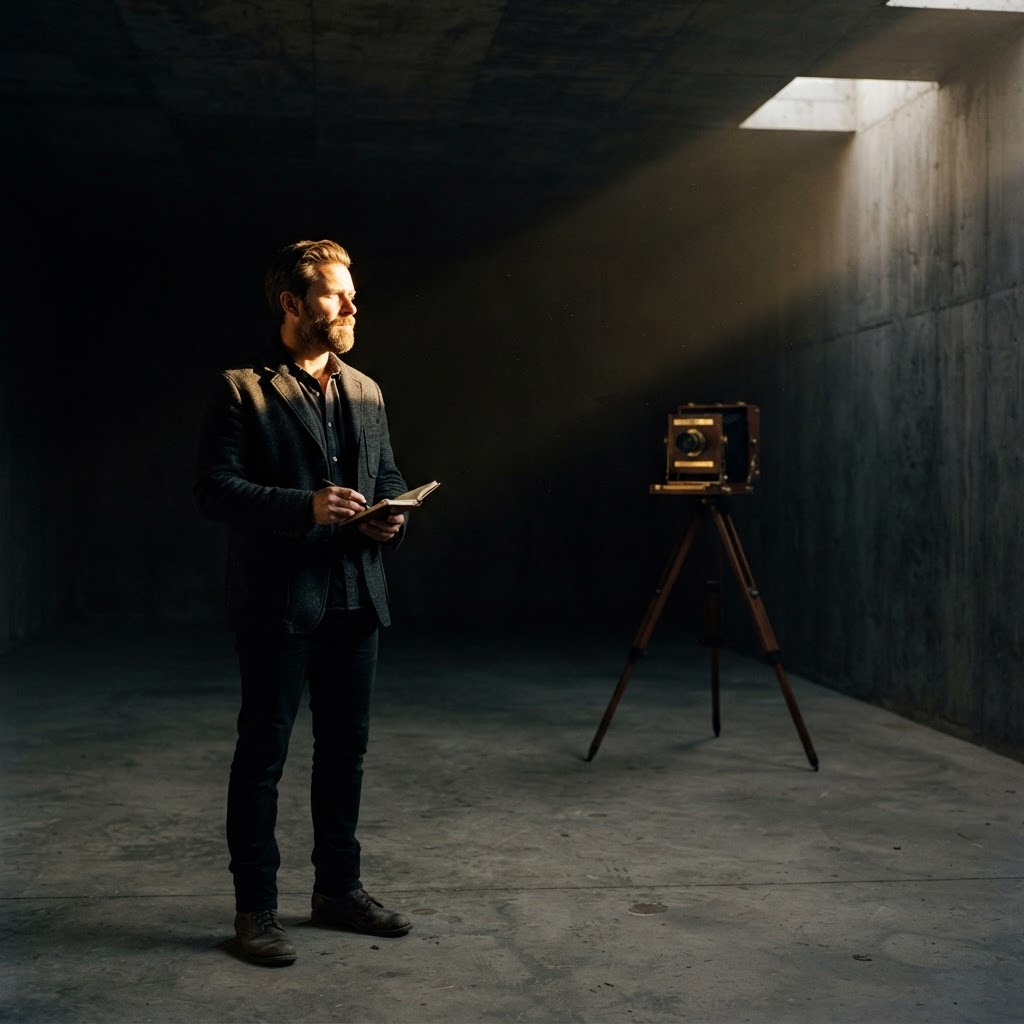
In the vast canon of contemporary photography, few artists occupy a space as quiet, yet as thunderous, as Hiroshi Sugimoto. Born in Tokyo in 1948 and eventually finding his artistic home in New York City, Sugimoto is not merely a photographer; he is a conceptual philosopher who utilizes the camera as a bridge between the transient physical world and the abstract nature of time. His work demands a slow, deliberate engagement—a stark contrast to the rapid-fire consumption of imagery that defines our modern era.
The Seascapes: Defining the Horizon
Sugimoto is perhaps most famous for his Seascapes series, an ongoing project he began in the 1980s. To the uninitiated, these appear as minimalist studies of horizon lines. To the observer, they are windows into primordial history. By exposing film for hours, Sugimoto strips away the clutter of the contemporary, leaving only the essential tension between water and air. He famously asked himself: 'Can we today see the same view as primitive man saw?' His answer is a series of black-and-white monoliths that exist outside of history, evoking a sense of meditative eternity.
Technique: The Mastery of the Long Exposure
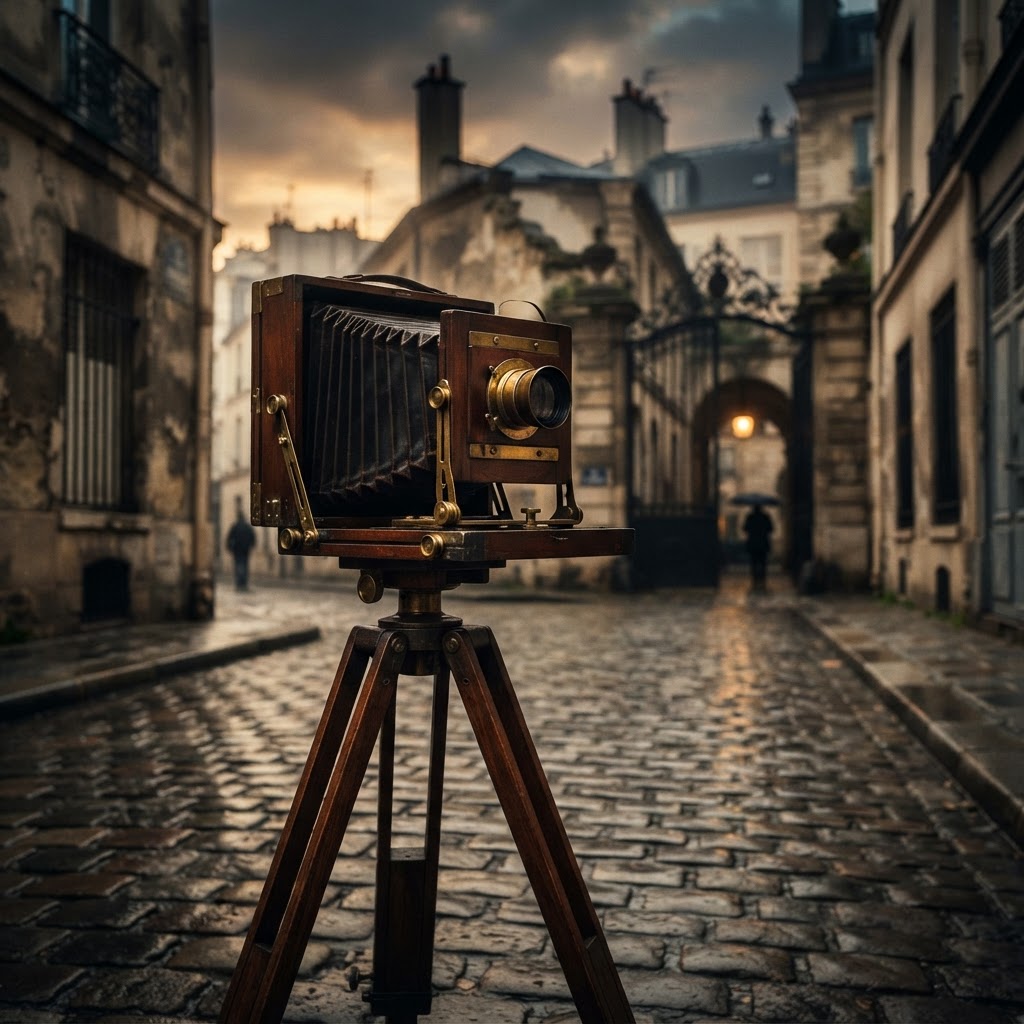
Technically, Sugimoto’s work is a testament to the power of the large-format camera. He refuses to embrace digital quickness, favoring the tactile, silver-rich density of traditional film. His signature technique relies on extreme long exposures—sometimes lasting hours—which allow him to compress time into a single frame. This isn't about capturing a 'decisive moment' in the tradition of Cartier-Bresson; rather, it is about capturing the accumulation of time itself. His Theaters series, where he leaves the shutter open for the entire duration of a feature film, results in a screen that glows with a brilliant, ghostly white light, illuminating the ornate architecture of abandoned movie palaces.
Photography is a system of saving memories. It's a time machine, a way to go back in time. — Hiroshi Sugimoto
The Dioramas and the Architecture of Illusion
Beyond the sea and the screen, Sugimoto turned his lens toward the natural history museums of America. By photographing dioramas, he highlighted the uncanny tension between artificiality and authenticity. His black-and-white treatment of taxidermy and painted backdrops creates an illusion so seamless that the viewer is forced to question the veracity of their own sight. He proves that the photograph is not an objective document, but a curated construct—a truth wrapped in a beautiful lie.
Why Sugimoto Matters Today
In an age where AI-generated imagery and algorithmic editing have made the 'photographic' seem cheap and disposable, Hiroshi Sugimoto remains a vital touchstone. He reminds us that photography remains an act of deep seeing. His work teaches us the value of patience, the beauty of the void, and the importance of questioning the frame. He invites us to step out of the frantic rhythm of the present and into a space of contemplation, where the light itself feels ancient and the silence is palpable.
- Conceptual Depth: Each series serves as an inquiry into human perception.
- Technical Discipline: His commitment to large-format film and long-exposure mastery represents the pinnacle of darkroom craft.
- Emotional Resonance: By removing narrative clutter, he allows the viewer to project their own experiences onto the frame.
Hiroshi Sugimoto’s legacy is found not in the sheer volume of his work, but in the profound silence he forces upon the viewer. He captures the things we cannot see—time, history, and the vast, empty theater of existence—ensuring that even as the world speeds up, his photographs remain still.