The Glass Frontier: The Rise and Fall of the Dry Plate Era
The Burden of the Wet Plate
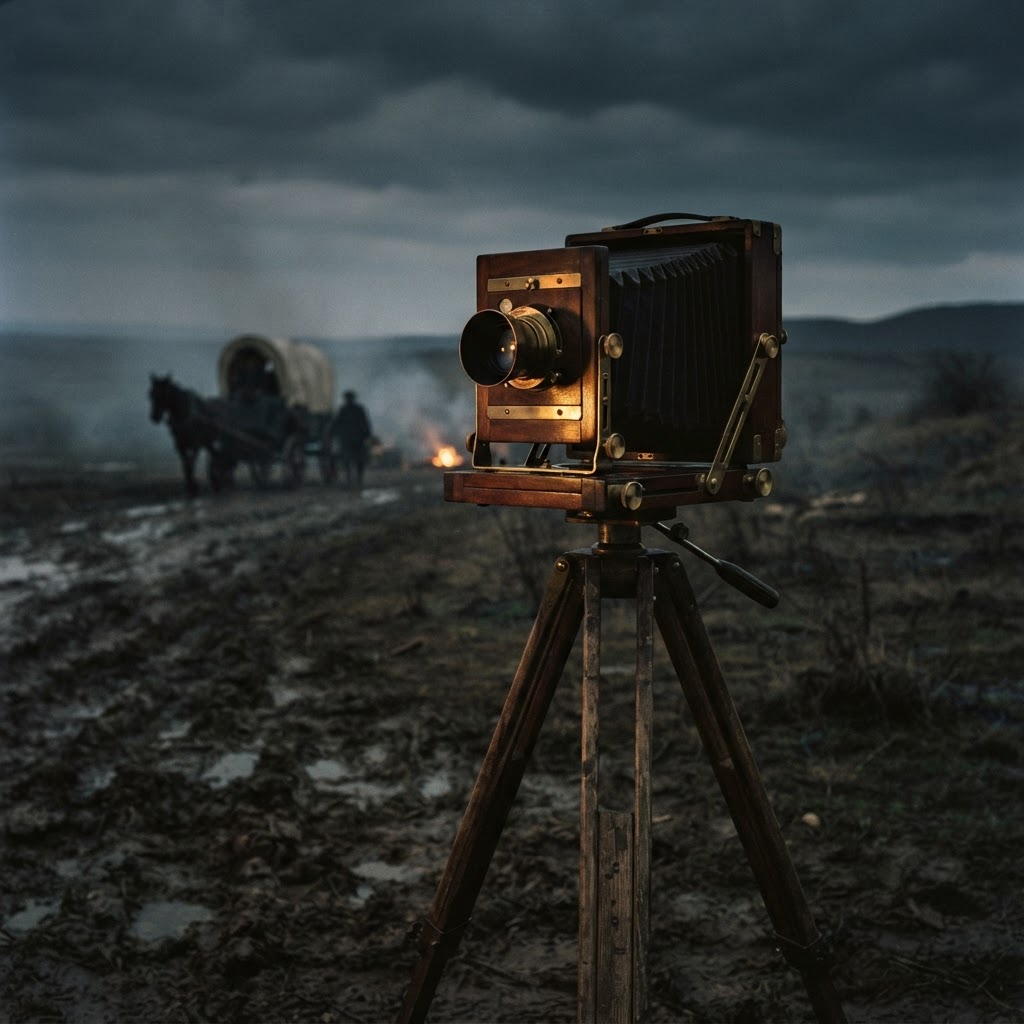
In the mid-19th century, photography was a grueling, alchemical labor. To take a single portrait, a photographer had to carry a portable darkroom, coat a glass plate with collodion, sensitize it in a bath of silver nitrate, expose it, and develop it—all while the plate remained wet. If the plate dried, the image vanished. This tethered artists like Roger Fenton and Mathew Brady to stationary tents, limiting the reach of the lens. The world was waiting for a breakthrough that would unshackle the photographer from the chemistry of the moment.
The Gelatin Miracle
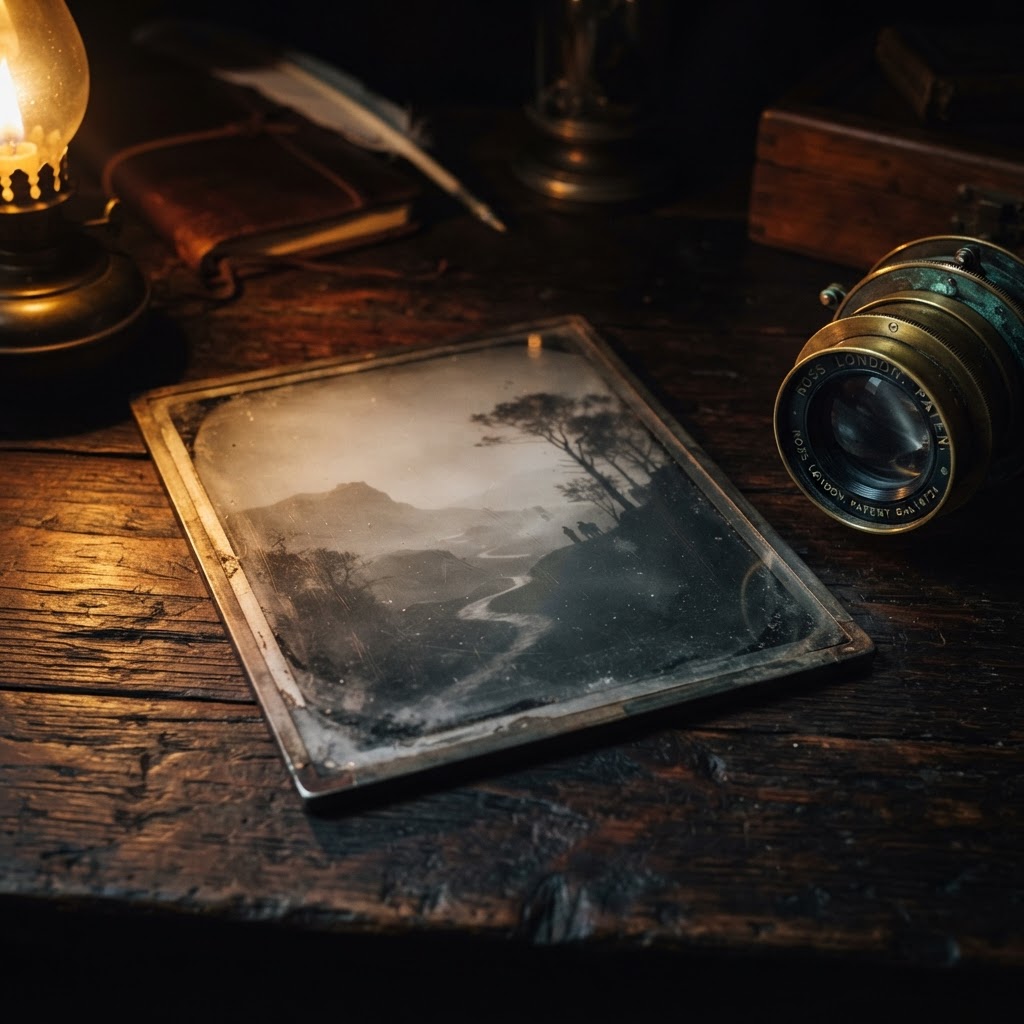
In 1871, Richard Leach Maddox introduced a revolutionary alternative: the gelatin dry plate. By replacing the temperamental wet collodion with a gelatin emulsion, Maddox created a medium that could be prepared in advance, stored, and developed hours or even days after the exposure. For the first time in history, the act of seeing was decoupled from the act of processing. This was not merely an improvement in chemistry; it was a fundamental shift in the philosophy of the photographic act.
The dry plate gave us back the horizon, allowing us to wander further into the landscape than the tripod and the portable tent had ever permitted.
The Shift in Visual Language
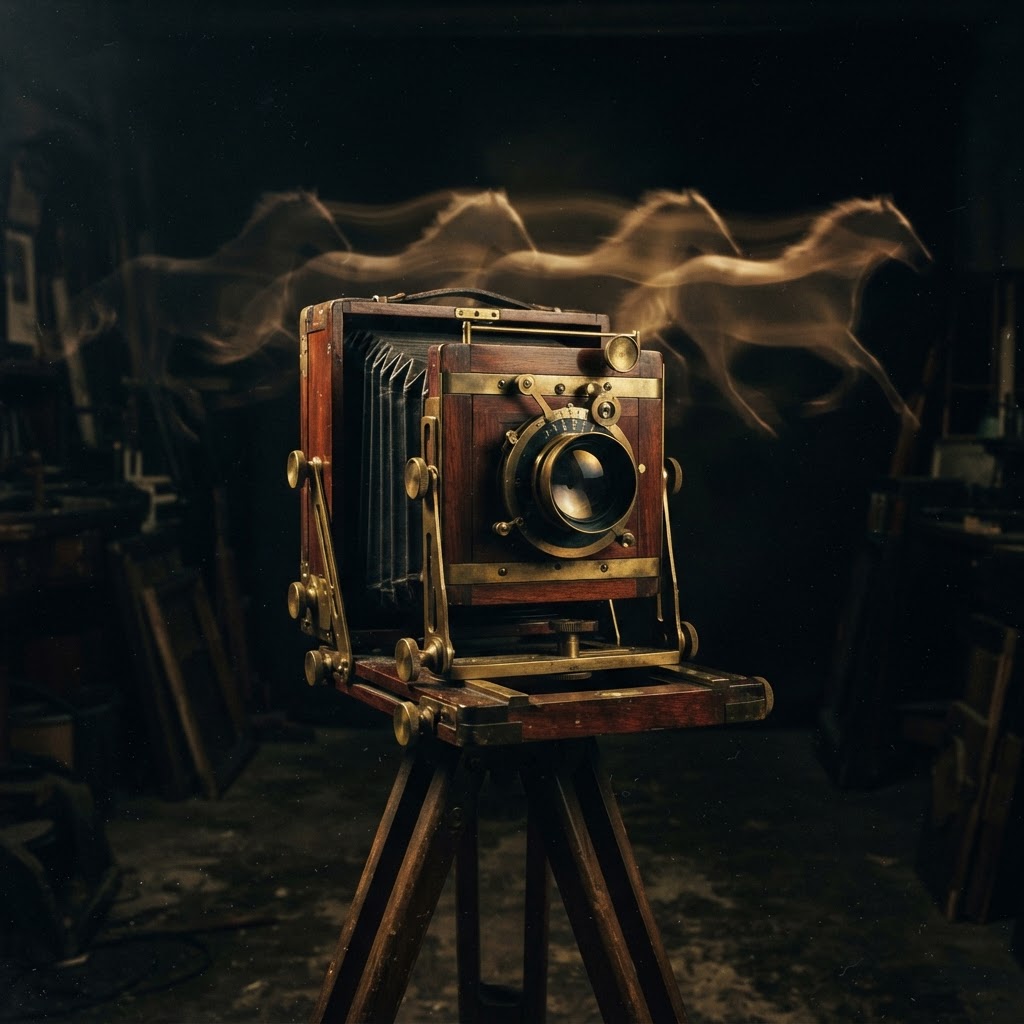
The transition to dry plates sparked a transformation in subject matter. Because photographers no longer had to rush against the drying time of a plate, they began to explore faster shutter speeds and more candid compositions. The dry plate offered higher sensitivity—or 'speed'—than its predecessor. This meant that the 'decisive moment,' a concept we often attribute to the 35mm era, had its nascent roots in the portability of the gelatin plate.
- Increased Sensitivity: Photographers could capture movement, rendering scenes with clarity that was previously impossible.
- Logistical Freedom: Expedition photography flourished as explorers could now carry boxes of plates rather than mobile labs.
- Standardization: The dry plate paved the way for mass-produced, factory-coated photographic materials, making the craft accessible beyond the elite few.
The Twilight of the Plate
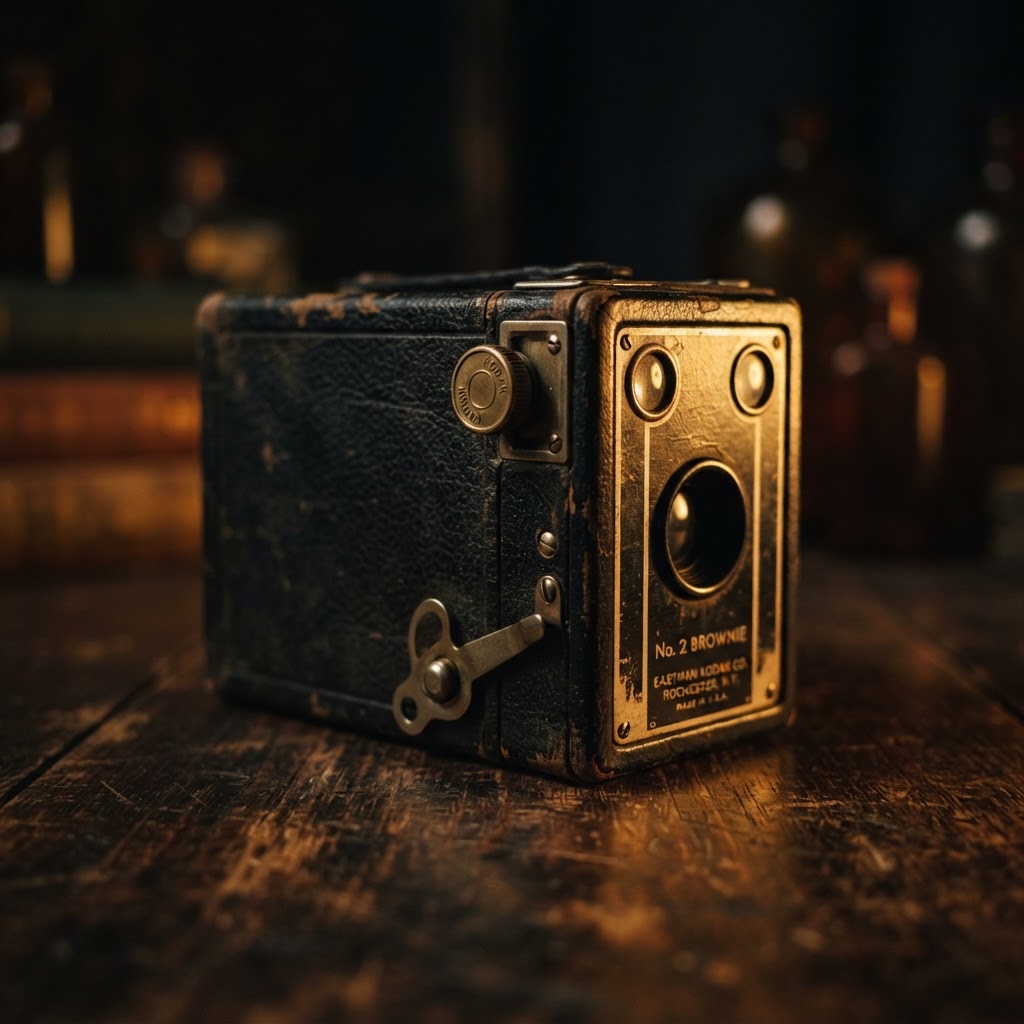
By the turn of the century, the fragile glass plate began its slow retreat in the face of flexible celluloid film. However, the dry plate era had already accomplished its mission. It bridged the gap between the rigid, static portraits of the 1850s and the dynamic, rapid-fire street photography of the 20th century. When we hold a camera today, we are still standing on the shoulders of those glass-plate pioneers who learned to master the gelatin emulsion.
As practitioners at Salt Media Studios, we look back at the dry plate era not as an obsolete chapter, but as the moment when photography finally learned to breathe. It was a time of invention, trial, and the stubborn pursuit of light—a pursuit that continues to define every frame we capture today.